


The Moon’s Hostile Environment
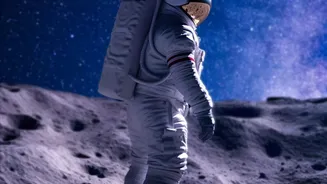
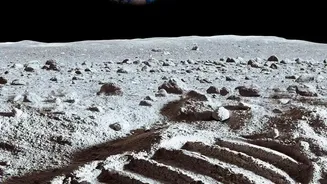
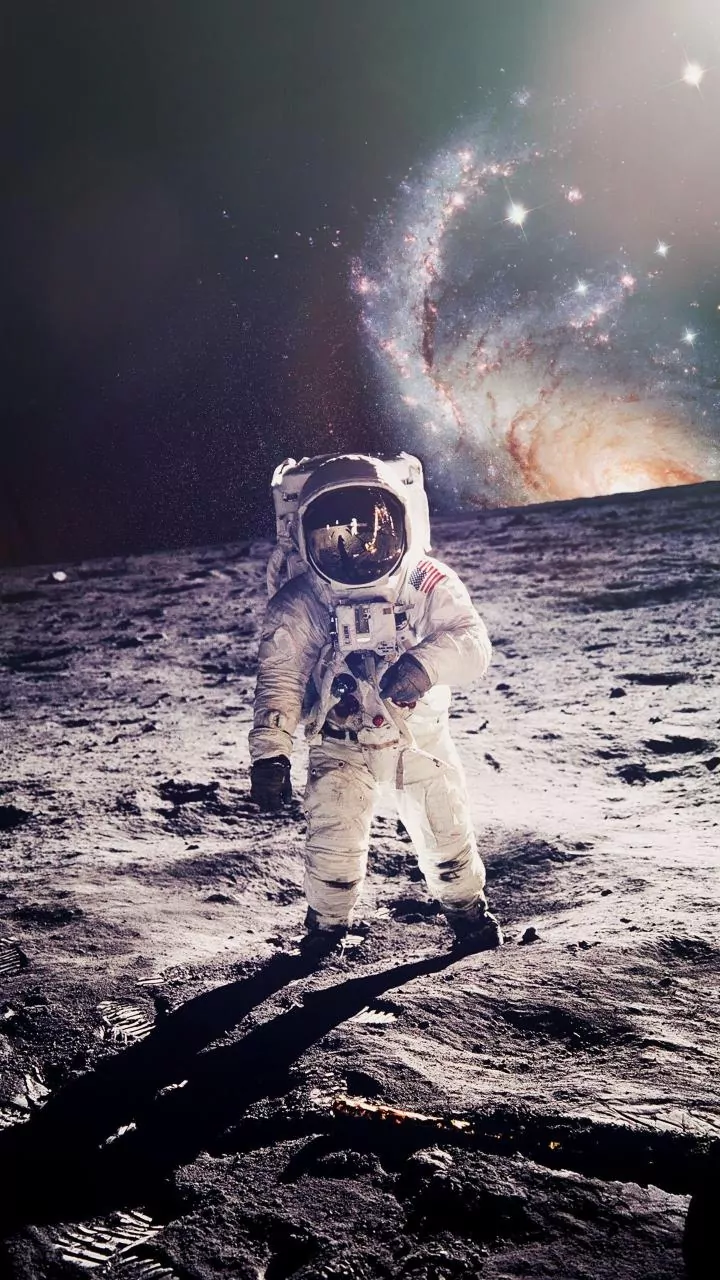
The dream of a permanent human presence on the Moon is alluring, but the reality is harsh. Without a protective atmosphere or global magnetic field like Earth's, the lunar surface is bombarded by relentless radiation. This comes in two main forms: a constant
stream of galactic cosmic rays (GCRs) from deep space and intense, sporadic bursts of energetic particles from solar flares. This radiation is far more than an inconvenience; it poses a significant health risk to astronauts, increasing their lifetime risk of cancer and other diseases. On the surface, astronauts would receive a radiation dose hundreds of times greater than on Earth. Furthermore, the surface is exposed to extreme temperature swings, from scorching hot to freezing cold, and a constant threat from micrometeorite impacts that can travel at several kilometres per second.
Nature’s Underground Shelter
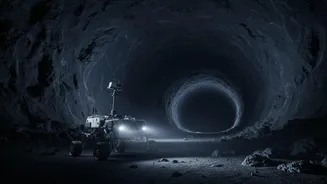
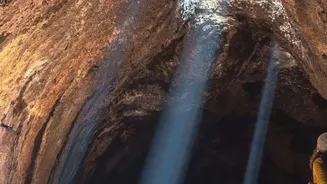
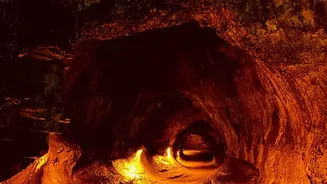
The most promising solution to these dangers isn't something we need to build, but something we need to find: lunar lava tubes. Formed billions of years ago when the Moon was volcanically active, these are vast, hollow caverns left behind by flowing rivers of lava. As the outer surface of a lava flow cooled and hardened, the molten rock inside continued to move, eventually draining out to leave behind a tunnel. Orbiters have spotted evidence of these tubes in the form of 'skylights'—collapsed sections of the roof that create pits on the surface. Scientists believe these tubes can be enormous, some potentially large enough to house entire cities, with ceilings of solid rock that are tens of metres thick.
A Shield of Solid Rock
This thick rock ceiling is the key to their value. It provides a natural and highly effective shield against the dangers of the lunar surface. Studies have shown that even a few metres of lunar rock, or regolith, can dramatically reduce radiation exposure. Inside a lava tube, with a roof potentially 40 metres thick or more, astronauts would be almost completely protected from GCRs and solar particle events. The dose of radiation could drop to levels comparable to those experienced on Earth. This rock overhead also serves as a perfect barrier against the incessant rain of micrometeorites, which would otherwise pose a constant risk to surface structures.
A Stable and Secure Environment
Beyond radiation and impact protection, lava tubes offer another critical advantage: thermal stability. While the lunar surface swings between extremes, the temperature inside a lava tube is thought to remain at a relatively constant and manageable -20°C to -25°C. This stable environment would make it far easier and less energy-intensive to maintain a comfortable habitat for human inhabitants. It eliminates the need for robust heating and cooling systems designed to cope with the Moon's wild temperature fluctuations. An inflatable habitat, like the ones tested on the International Space Station, could be deployed inside a lava tube with far simpler environmental controls than would be needed on the surface.
The Robotic Hunt for Lunar Caves
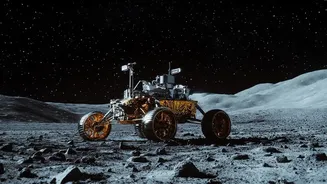
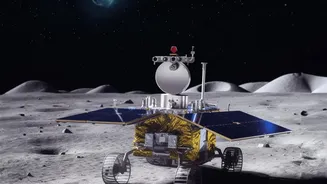
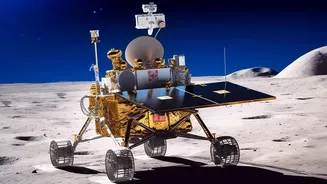
Before we can set up house, we first need to find and explore these subterranean worlds. This is where robotic exploration comes in. Space agencies like NASA and the European Space Agency (ESA) are actively developing missions to investigate lunar pits and the caves they may lead to. These missions involve concepts like rovers that can rappel down into a skylight or swarms of smaller robots that can autonomously map the interior. One NASA-backed concept proposes using a laser-powered hovering drone to explore the dark, unmapped caverns without stirring up dust. The goal of these missions is to confirm the structural integrity of the tubes, map their dimensions, and analyze their geology, paving the way for future human settlement.