




The Rise of the Renter's Garden
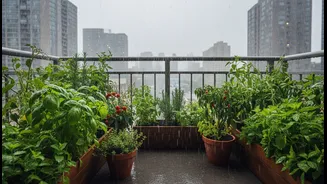
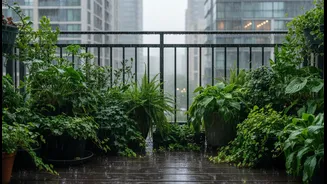
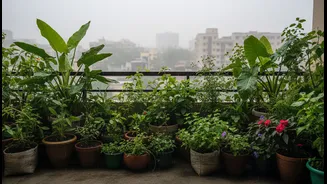
For the millions of Indians living in rented apartments in bustling metros, creating a permanent garden is impossible. This is where the beauty of the micro-garden lies. Using pots, grow bags, and vertical planters, urban dwellers are discovering they
can cultivate a surprising amount of food in minimal space. This approach is low-commitment and portable, making it perfect for those who may move homes. More than just a hobby, this trend is a response to a growing desire for fresh, pesticide-free produce and a tangible connection to the food we eat. It’s a small but powerful way for city residents to reclaim a piece of their food chain, knowing exactly what goes into their meals.
What to Grow This Monsoon
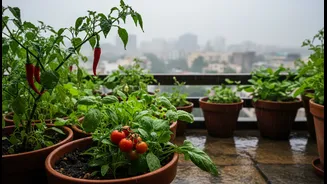
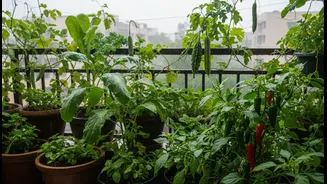
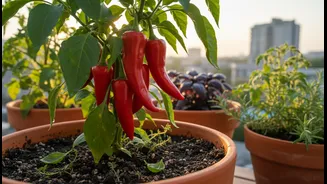
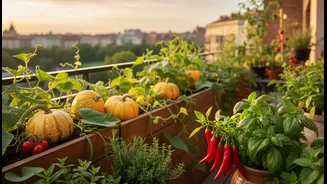
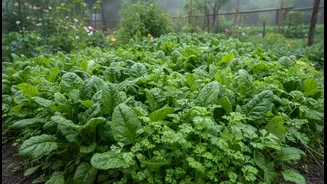
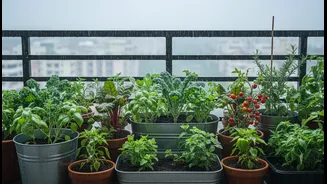
The monsoon is an incredibly forgiving season for new gardeners. The high humidity and regular rainfall create perfect growing conditions for a variety of plants. For an edible balcony garden, focus on plants that thrive in these conditions. Leafy greens like spinach (palak), amaranth (chaulai), and coriander (dhania) do exceptionally well. Herbs such as mint (pudina) and basil are practically foolproof and provide fresh flavours for your kitchen. For something more substantial, consider chillies, okra (bhindi), and certain varieties of gourds that can be trained up a trellis. Even ginger and turmeric can be grown in wide, shallow pots during the rainy season.
Setting Up Your Edible Plot
The foundation of a successful container garden is the right setup, especially during the monsoon when water management is key. The number one rule is to ensure excellent drainage. Choose pots with plenty of drainage holes. You can even elevate them on bricks or pot stands to prevent waterlogging. Skip the heavy garden soil, which becomes compacted and waterlogged in pots. Instead, use a light, well-draining potting mix. A common and effective recipe is a mix of equal parts cocopeat, compost or vermicompost, and perlite or coarse sand, which keeps the soil airy and allows roots to breathe.
Navigating Monsoon Challenges
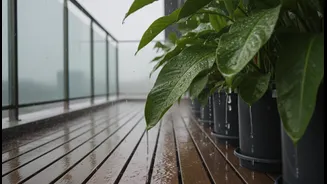
While the monsoon is a boon for growth, it also brings challenges. The biggest mistake is overwatering; with daily rains, you'll rarely need to water your plants manually. Always check if the top inch of soil is dry before reaching for the watering can. The persistent dampness can also encourage fungal diseases and pests. Improve air circulation by not crowding your pots too closely. Regular pruning of dead or yellowing leaves can also help prevent disease. A preventative spray of neem oil solution is a great organic way to keep common pests like aphids and mealybugs at bay.
More Than Just a Meal
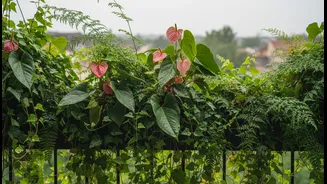
The benefits of a balcony garden extend far beyond the harvest. The simple act of tending to plants has been shown to reduce stress and improve mental well-being. In a dense urban environment, a small patch of green can become a personal sanctuary, a place to disconnect from the chaos and reconnect with nature. It provides a gentle physical activity and a deep sense of satisfaction. Harvesting your own herbs for chai or vegetables for dinner offers a powerful sense of self-sufficiency and joy. It's a tangible way to engage in sustainability, turning kitchen scraps into compost and reducing your reliance on produce that has travelled hundreds of kilometres.