

From Seoul to Jubilee Hills
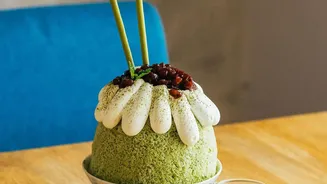
Walk into a new dessert parlour in areas like Jubilee Hills or Himayatnagar, and you might find a surprising star on the menu: Bingsu. This Korean dessert, a mountain of finely shaved milk ice with a snow-like texture, is rapidly gaining fans. Unlike
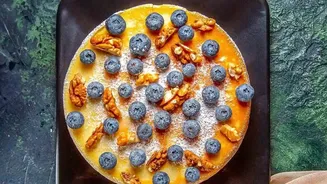
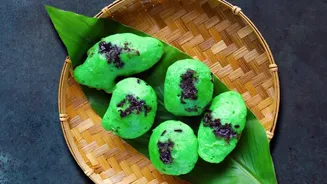
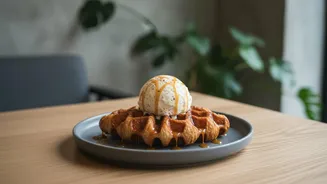
the familiar gola or chuski, Bingsu is lighter and creamier, often piled high with toppings that range from traditional sweet red bean paste (Patbingsu) to modern favourites like mango, chocolate, and Lotus Biscoff. Cafés like Snowberry, which recently opened in Jubilee Hills, are dedicating their menus to this very treat, signalling a shift from niche interest to a genuine food trend. Alongside Bingsu, other Korean sweets like Hotteok (sweet pancakes) and chewy Tteok (rice cakes) are also finding a place on Indian menus and in the hearts of dessert enthusiasts.
The K-Drama Connection
This sudden craving for Korean sweets is no accident. It’s a direct consequence of the 'Hallyu' or Korean Wave, which has swept across India, largely driven by K-dramas and K-pop. As viewership for Korean content on streaming platforms skyrocketed—Netflix reported a 370% year-over-year jump in 2020—so did curiosity about the food featured on screen. Characters in popular dramas are often seen bonding over meals, and these scenes act as powerful, organic advertisements. Whether it's a lead character enjoying a bowl of Bingsu on a hot day or sharing a plate of Tteokbokki, these moments make fans want to taste the culture for themselves. One survey found that 88% of Indian K-drama fans were willing to try Korean food.
More Than a Sugar Rush
The rise of Korean dessert cafés is the latest chapter in a much broader cultural exchange. For years, the Hallyu influence was primarily seen in entertainment, fashion, and K-beauty routines. Now, it's making a significant mark on the Indian palate. The trend began with a surge in demand for savoury items like instant noodles and kimchi, with noodle imports growing 162% in 2020 alone. This has paved the way for more diverse offerings, including desserts. Restaurateurs and entrepreneurs are noticing the demand, especially among Gen Z and millennials, who are adventurous eaters and digitally connected to global trends. The visual appeal of desserts like Bingsu also makes them highly shareable on social media, further fuelling their popularity.
An Evolving Indian Palate
What makes Korean food, both savoury and sweet, so accessible to Indians? Many point to a shared love for bold flavours. While traditional Korean desserts might use ingredients like red bean paste, which can be an acquired taste, cafés in India are adapting their menus. They often lead with familiar and popular flavours like mango, chocolate, and coffee to draw customers in, while also offering classic versions for the purists. This fusion approach makes the trend sustainable. It’s not just about importing a foreign dish; it’s about integrating it into the local food scene. The communal nature of sharing a large bowl of Bingsu also resonates with Indian dining habits.