



More Than Just a Stinky Mouth
The most frequent cause of consistently bad breath in both dogs and cats is periodontal disease. This process begins with plaque, a sticky film of bacteria that forms on teeth. If not removed, it hardens into tartar, leading to gum inflammation (gingivitis).
As the condition worsens, the bacteria can destroy gum tissue and the bone supporting the teeth. The foul odour is produced by these bacteria, particularly as the infection deepens. While many owners might not see other signs initially, since pets are experts at hiding pain, this persistent smell is often the first and most obvious symptom that something is wrong in the mouth.
The Most Common Culprit: Dental Disease
Veterinarians consider halitosis a primary indicator of dental health issues. More than 80% of dogs and a similar percentage of cats show signs of dental disease by the time they are three years old. The smell associated with it is often described as rotten or sulphur-like. Besides bad breath, other signs of progressive dental disease include yellow or brown tartar on teeth, red or bleeding gums, excessive drooling, and changes in eating habits, such as chewing on one side of the mouth or dropping food. Left untreated, the bacteria from a severe dental infection can enter the bloodstream and potentially damage vital organs like the heart, liver, and kidneys.
When Breath Reveals Deeper Trouble
Sometimes, the specific scent of your pet's breath can point to serious systemic diseases that have nothing to do with their teeth. Veterinary teams are trained to notice these nuances. A distinctly sweet or fruity smell, for instance, can be a sign of diabetes. This odour is caused by ketones, which the body produces when it can't use sugar for energy properly. On the other hand, breath that smells like ammonia or urine is a classic warning sign of kidney disease, indicating that the kidneys are failing to filter waste products from the blood effectively. A particularly foul or musty odour can also be associated with liver problems or, in some cases, oral tumours.
What You Should Do as a Pet Parent
Ignoring persistent bad breath is never a good idea. Your first step should be to observe. Is the smell constant or just after meals? Have you noticed any other changes in your pet's behaviour, such as loss of appetite, increased thirst, weight loss, or lethargy? These accompanying symptoms are critical pieces of information for your veterinarian. Do not simply try to mask the odour with dental treats or sprays without first identifying the cause. While daily tooth brushing is the best way to prevent plaque buildup, it cannot treat an existing infection or a systemic disease. Schedule an appointment with your vet to discuss your concerns; think of it as reporting a key symptom that needs professional investigation.
How Your Veterinarian Investigates
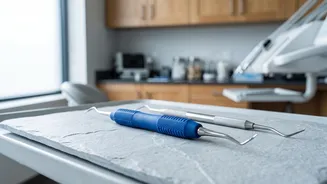
When you bring your pet in for bad breath, your vet will start with a thorough physical and oral examination. They will look for signs of dental disease like tartar, gingivitis, and loose teeth. Depending on the oral exam and any other symptoms you've reported, they may recommend further diagnostics. This could include blood tests and a urinalysis to check for diabetes, kidney disease, or liver issues. If dental disease is the suspected cause, a professional dental cleaning under anaesthesia is the standard treatment. This allows the team to take dental X-rays to see problems below the gumline, thoroughly clean and polish the teeth, and address any painful or infected teeth safely.