






The Real Enemy: High Humidity
During the rainy season, the air becomes saturated with moisture. This high humidity dramatically slows down evaporation from the soil. Even if it hasn't rained directly on your potted plants, the soil will stay damp for much longer than it does in dry
weather. This constant dampness is where the trouble begins. Your plant's roots need to breathe. When the soil is waterlogged, oxygen can't get through, and the roots can effectively drown. This creates a perfect breeding ground for problems that can harm or even kill a healthy plant. The primary threat isn't dehydration; it's suffocation and disease.
The Danger of Overwatering
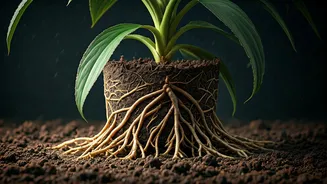
The most common mistake plant parents make during the monsoon is sticking to their regular watering schedule. This leads to overwatering, which is the fastest way to cause root rot. Root rot is a fungal disease that attacks wet, oxygen-starved roots, turning them brown, mushy, and unable to absorb nutrients. The early signs of overwatering can ironically look like underwatering—yellowing leaves, wilting, and stunted growth—causing a vicious cycle where owners add even more water, worsening the problem. Before you even think about watering, it is crucial to check the soil first.
Rethink Your Watering Routine
Instead of watering on a schedule, water only when your plant actually needs it. The best way to check is the finger test: stick your finger about an inch or two into the soil. If it feels moist, wait another day or two before checking again. If it feels dry, then it's time to water. For outdoor plants, heavy rainfall might be enough, but you should still check the soil a few days after a downpour to assess the moisture level. Always ensure your pots have adequate drainage holes to let excess water escape. You can even elevate pots on bricks or stands to prevent them from sitting in puddles.
Why Airflow is Your Best Friend
If less water is one half of the solution, more airflow is the other. Good air circulation is vital for several reasons. It helps moisture evaporate from the soil surface and from the plant's leaves, reducing the risk of fungal infections like powdery mildew and leaf spot, which thrive in stagnant, damp conditions. Improving airflow can be as simple as opening a window for a few hours a day or using a small, oscillating fan on a low setting. Make sure not to aim the fan directly at the plants, as a harsh draft can be stressful. The goal is to create a gentle, consistent breeze throughout the room.
More Tips for Monsoon Plant Care
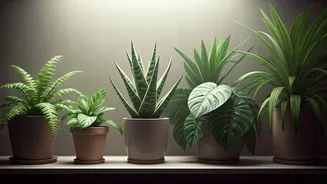
Beyond watering and airflow, a few other practices can keep your plants healthy. First, increase the space between your plants. Crowded plants trap humidity and block air circulation, creating a perfect microclimate for pests and diseases. Second, regularly prune any yellowing or dead leaves. This not only improves airflow through the plant's foliage but also removes potential spots where fungus can take hold. Finally, keep an eye out for common monsoon pests like slugs, snails, and fungus gnats, which are attracted to damp conditions. Regularly inspecting your plants allows you to catch any infestations early.