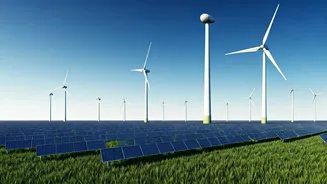










A Sector Powered by Unprecedented Growth
India's renewable energy sector is in the midst of a historic expansion. The nation has set an ambitious target of achieving 500 GW of non-fossil fuel energy capacity by 2030, a goal that is driving massive investment and creating a surge in jobs. [9,
10] In a landmark achievement, India already met its goal of having 50% of its installed electricity capacity from non-fossil sources in 2025, five years ahead of schedule. [5, 8] This rapid transition is not just about meeting climate targets; it's a structural economic shift. Studies project that this green transition could create over 4.4 million full-time jobs by 2030. [5, 6, 13] The demand for talent has seen a significant jump, with job demand rising from 8.5% in FY23 to 23.7% in FY24, showcasing the accelerating pace of hiring in the sector. [9] This isn't a temporary boom; it's the foundation of a new energy economy.
Beyond Engineering: A World of Diverse Roles
The term 'green energy' often brings to mind images of engineers on wind farms or solar fields, but the reality is far more diverse. While technical experts are crucial, the sector needs a wide array of professionals to thrive. [9] There is a growing demand for sustainability consultants, ESG (Environmental, Social, and Governance) strategists, energy analysts, and project managers. [4, 11] As companies navigate complex regulations and financial models, they are hiring policy experts, finance professionals, and supply chain managers with a focus on sustainability. [4] Furthermore, the National Green Hydrogen Mission is opening up entirely new career paths in areas like electrolysis and energy storage. [9, 15] From communications and human resources to data science and digital marketing, the green transition requires a multidisciplinary workforce to manage its complex and expanding operations. [4, 13]
The In-Demand Skills for a Green Career
To secure a position in this competitive field, graduates need to cultivate a mix of technical and soft skills. Expertise in solar photovoltaic (PV) systems, wind turbine technology, and battery storage systems is highly sought after. [17] Rooftop solar, in particular, is a massive employment driver, responsible for a large share of new jobs due to its distributed, installation-heavy nature. [5, 6] Beyond the hardware, skills in carbon accounting, energy auditing, and sustainability reporting are becoming essential as companies focus on their environmental impact. [4] Digital literacy is also key, with knowledge of AI and data analytics being used to optimize energy grids and improve efficiency. [14] Employers also value strong problem-solving abilities, adaptability, and project management skills, as professionals must navigate a rapidly evolving technological and policy landscape. [11]
Charting Your Entry Path into the Sector
For graduates eager to enter the field, several pathways exist. Entry-level salaries are competitive, with roles like technicians and engineers earning between ₹27,000 and ₹38,000 per month, and significant potential for growth. [2, 10] An entry-level renewable energy engineer can expect an average salary of around ₹11.43 lakhs per year. [7] To get started, pursuing specialized courses and certifications from institutions like the National Institute of Solar Energy (NISE) or various IITs can provide a strong foundation. [18] The government's Skill India Mission has also trained millions in renewable energy skills, creating a pipeline of talent. [9] Gaining practical experience through internships with leading companies like L&T, Schneider Electric, or Adani Green is invaluable. [15] Networking at industry events and connecting with professionals in the field can also open doors to opportunities in this dynamic and purpose-driven sector.