





Just 100 kilometres from the famous Gir National Park lies a rugged, hilly landscape that is rapidly becoming one of India's most important conservation sites. Barda Wildlife Sanctuary in Gujarat is a land of contrasts and immense biodiversity.
A Sanctuary of Two Terrains
Covering
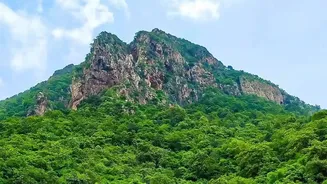
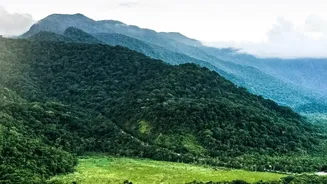
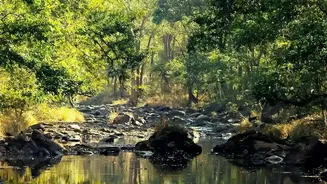
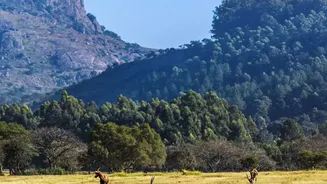
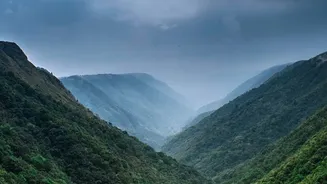
just over 192 square kilometres in the Porbandar and Devbhumi Dwarka districts, Barda is a unique blend of two distinct ecosystems: hilly, deciduous forests and sprawling, open grasslands. This dual landscape, a remnant of the private hunting grounds of the former princely states of Porbandar and Jamnagar, is what makes the sanctuary so ecologically rich. The terrain is undulating and rises from 79 to over 600 meters, creating diverse microclimates that support an incredible array of life. The hilly forests act as a vital natural barrier against salinity from the nearby coast, while rivers like the Bileshvary and Joghri sustain the region. Declared a sanctuary in 1979, its primary role was to protect this unique environment.
The Forested Hills
The forests of Barda are a mix of southern dry mixed deciduous and northern tropical thorn forests. These areas are dominated by trees like Gorad, Babul, Dhav, and Rayan, alongside patches of bamboo. This woodland provides cover and habitat for a variety of animals. Historically, the floral diversity here has been a standout feature, with around 650 plant species recorded, including a significant number of medicinal plants. This rich vegetation supports mammals like leopards, striped hyenas, and golden jackals. Efforts to manage these forests include soil and moisture conservation, which improves the water table and strengthens the entire habitat.
The Open Grasslands
Complementing the dense forests are the sanctuary's vast grasslands, locally known as 'vidis'. These open spaces are crucial for grazing herbivores and play a significant role in the overall health of the ecosystem. Within the core areas of their territories, the resident lions have shown a preference for these grasslands. These patches are vital for species like nilgai (blue bull) and wild boar, which form a major part of the predator diet in the region. The sanctuary's management has focused on habitat improvement, which includes grassland development and the removal of invasive plant species, ensuring these open areas remain healthy and productive for the local wildlife.
A New Home for Asiatic Lions
Perhaps the most significant development in Barda's recent history is its emergence as a second home for the Asiatic lion. With the lion population growing in Gir, creating an alternative habitat became a conservation priority to reduce pressure and prevent risks from disease outbreaks. The 'Gir-Barda Project' was initiated as far back as 1979 for this purpose. This vision became a reality in January 2023, when a male lion naturally dispersed from Gir into Barda, the first to do so in 144 years. Following this, the Gujarat Forest Department introduced five females to establish a breeding population. By late 2025, the sanctuary was home to a growing population of 17 lions, including several cubs.
Restoring the Ecological Balance
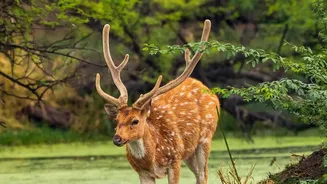
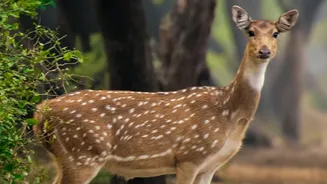
For a predator population to thrive, a robust prey base is essential. A major part of preparing Barda for lions has been the systematic reintroduction of herbivores. Species like sambar and chital (spotted deer), which once roamed the area, were reintroduced through captive breeding and translocation from Gir. Between 2025 and 2026, hundreds of chital were moved to Barda to strengthen the prey population. Studies of the lions' diet show they are primarily feeding on wild prey, especially wild pig, which is a positive sign of the ecosystem's health. These efforts are critical to ensuring Barda can sustain a long-term, viable lion population.
People and Wildlife in Harmony
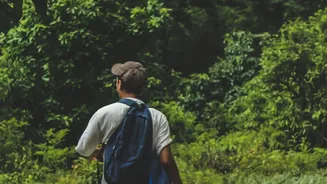
Conservation in Barda is not just about the animals; it also involves the local communities. The sanctuary and its surrounding areas are home to pastoral groups like the Maldharis, Rabaris, and Bharvads. Integrating these communities into conservation efforts has been key to the project's success. Human-wildlife coexistence is promoted through various programmes, including eco-development and community participation. An ecotourism initiative launched in 2024 allows local residents to work as nature guides and safari operators, providing them with livelihoods linked directly to the sanctuary's preservation and leading to a significant increase in visitor numbers.