




The Science of Layering
The single most important rule for staying warm is not to wear one bulky jacket, but to master the three-layer system. This method traps insulating pockets of air and allows you to adapt to changing conditions. The first, or base layer, sits against your
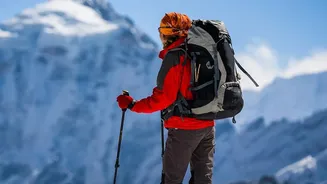
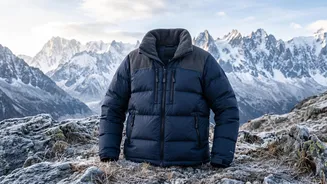
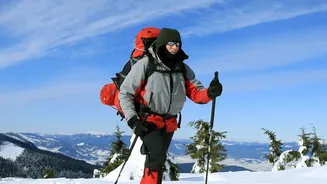
skin. Its sole job is to wick sweat away to keep you dry. Choose materials like merino wool or synthetic polyester; avoid cotton at all costs, as it traps moisture and will make you dangerously cold once you stop moving. The second, or mid-layer, is your insulation. This is typically a fleece jacket or a lightweight down sweater that traps your body heat. The third, or outer shell, is your shield against wind, snow, and rain. A waterproof and windproof jacket, ideally with vents, is non-negotiable. This system allows you to remove layers while climbing to prevent sweating and add them back the moment you take a break.
Protecting Your Extremities
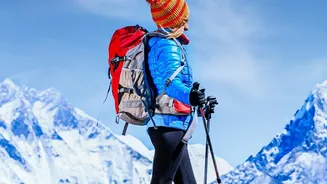
Your fingers, toes, nose, and ears are the most vulnerable to frostbite, as the body reduces blood flow to these areas in the cold to protect its core. For your hands, insulated mittens are generally warmer than gloves because they keep your fingers together, sharing warmth. A good strategy is to wear a thin liner glove inside a thick, waterproof mitten. For your feet, two pairs of socks are recommended: a thin, moisture-wicking synthetic or wool sock on the inside, and a thicker wool sock on the outside. Ensure your boots are well-insulated, waterproof, and not so tight that they restrict circulation. A warm woollen cap or beanie is essential, as a significant amount of body heat is lost through the head. A buff or neck gaiter can be pulled up to protect your face and nose from biting winds.
Sleeping Warm in Sub-Zero Temperatures
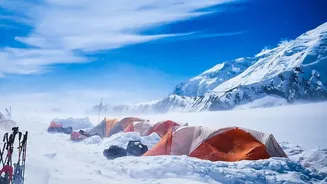
A cold night leads to poor sleep, which depletes energy and ruins your trek. Your sleeping setup is your sanctuary. Invest in a sleeping bag with a temperature rating appropriate for your trek; for high Himalayan winter treks, a comfort rating of -15°C to -20°C is often recommended. Always choose a bag rated for temperatures colder than what you expect. Mummy-shaped bags are more efficient at retaining heat than rectangular ones. Down insulation offers the best warmth-to-weight ratio, but synthetic bags perform better when damp. An insulated sleeping mat is just as important as the bag, as it prevents the frozen ground from sucking away your body heat. A game-changing trick is to fill a Nalgene-type bottle with hot water and place it in your sleeping bag before you get in—it acts as a personal heater all night. Always change into a set of dry clothes, including socks, just for sleeping.
Fueling Your Internal Furnace
Your body burns a tremendous number of calories just to stay warm at high altitude, even before you factor in the exertion of trekking. Now is not the time for a diet. Focus on frequent, small meals rich in complex carbohydrates, which provide sustained energy. Think oats, pasta, rice, and potatoes. Carry lightweight, calorie-dense snacks like nuts, dried fruits, chocolate, and energy bars for the trail. Staying hydrated is equally crucial but often overlooked in the cold because you may not feel thirsty. Dehydration thickens the blood and makes you more susceptible to cold injuries and altitude sickness. Aim to drink 4-5 litres of warm fluids—like herbal tea, soup, or just warm water—throughout the day. Avoid alcohol, which can give a false sense of warmth while actually increasing heat loss and impairing acclimatization.
Recognizing the Danger Signs
You must be able to recognize the early signs of hypothermia and frostbite. Hypothermia is a drop in the body's core temperature and can be deadly. Early signs include uncontrollable shivering, fumbling hands, stumbling, and mumbling or slurred speech—often called the 'umbles'. An ominous sign is when the shivering stops; this is a medical emergency. Frostbite is the freezing of tissue, usually affecting extremities. The first stage, frostnip, involves paleness, numbness, or a pins-and-needles sensation in the skin. The skin may appear white or greyish. If you notice any of these signs in yourself or a trekking partner, you must stop, get out of the wind, add layers, and consume warm, sugary drinks or food. Gentle warming of frostnipped areas is crucial, but do not rub them, as this can cause more tissue damage.