




The Instagram-Fuelled Rush
The numbers don't lie. States like Meghalaya, Arunachal Pradesh, and Sikkim have witnessed an unprecedented surge in domestic tourists, especially in the post-pandemic era. Meghalaya's tourism footfall reportedly crossed 1.2 million in 2022, a significant
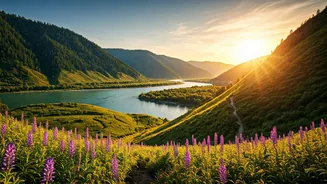
jump from pre-pandemic levels. This boom is heavily driven by social media, where images of places like Meghalaya's crystal-clear Dawki river or Arunachal's snow-clad Tawang monastery go viral, creating an instant bucket list for millions. What were once remote outposts are now accessible destinations, thanks to improved road and air connectivity. This influx, while celebrated by tourism boards, is placing immense pressure on regions that were never designed for mass-market travel.
Economic Lifeline or Risky Bet?
On the surface, the economic benefits are clear. The rise of homestays has become a primary source of income for many families, offering an authentic experience for tourists and direct earnings for locals. Young people who might have once migrated to cities for work are finding opportunities as guides, drivers, and cafe owners. Local handicrafts are also seeing a new market. However, experts caution against over-reliance on a single industry. In many popular spots, the economic benefits are not evenly distributed. Large, outside-owned hotels and tour operators often capture a significant portion of the revenue, a phenomenon known as 'economic leakage'. This leaves local communities with low-paying jobs while the bulk of the profits flows out of the region.
The Environmental Toll
This is where the boom 'hits hard'. The very 'eco' in ecotourism is under threat. Popular destinations are grappling with mountains of plastic waste—water bottles, food wrappers, and single-use plastics—left behind by visitors. The Dzukou Valley, straddling Nagaland and Manipur, has faced repeated crises due to tourist-generated garbage threatening its delicate flora. In Sikkim, endless convoys of tourist vehicles choke the narrow mountain roads leading to destinations like Tsomgo Lake and Nathu La, causing hours-long traffic jams and spewing emissions into the fragile alpine air. Water scarcity is becoming a critical issue in towns like Shillong, as the existing infrastructure struggles to support both the local population and the massive seasonal influx of tourists.
When Culture Becomes a Commodity
The impact isn't just environmental; it's social and cultural. The quiet, community-centric life in many villages is being disrupted. While cultural exchange can be positive, mass tourism often leads to the commodification of traditions, where sacred rituals or daily customs are repackaged as performative spectacles for tourists. This can dilute cultural authenticity and create a sense of resentment among locals. Furthermore, the high demand for accommodation and services has led to a rise in the cost of living in some tourist hotspots, making it more expensive for local residents to live in their own hometowns. Reports of disrespectful tourist behaviour, from inappropriate clothing at monasteries to loud parties in quiet villages, are becoming increasingly common.
Searching for a Sustainable Path
The challenge is not to stop tourism, but to manage it. The solution lies in shifting from a model of high-volume, low-value tourism to one that is sustainable and community-centric. Several states are exploring the concept of 'carrying capacity'—limiting the number of visitors to a particular site to prevent overcrowding and degradation. Promoting off-beat destinations to distribute the tourist load is another strategy. More importantly, empowering local communities through bodies like village tourism committees can ensure they have control over how tourism develops in their area. For travellers, the shift involves being more mindful: choosing registered homestays, managing waste responsibly, and respecting local customs.