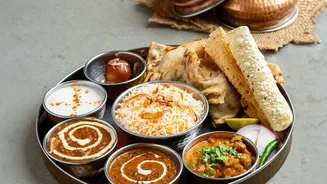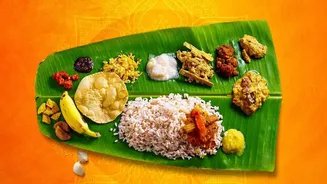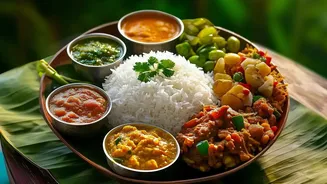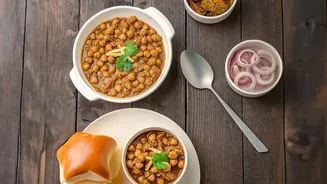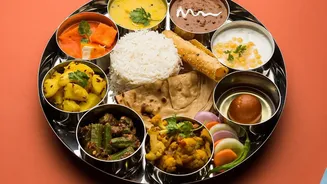






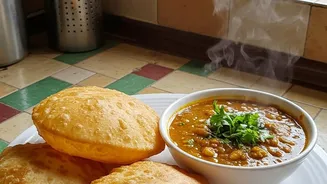

For years, the convenience of food delivery apps has been the undisputed king of urban Indian kitchens. But a quiet, flavourful rebellion is simmering, as more metro families are choosing the comfort of home cooking over the click-of-a-button meal.
The Kitchen Makes a Comeback
In
the fast-paced life of metropolitan India, food delivery platforms became a symbol of modern convenience. Juggling long commutes, demanding careers, and family life, ordering in was not just a luxury but a practical solution. Yet, a noticeable shift is underway. Across cities like Mumbai, Delhi, and Bengaluru, families are rediscovering their kitchens, not just as a place of necessity, but as a hub of health, connection, and identity. This is not about abandoning convenience altogether, but about a conscious re-evaluation of what 'good food' truly means. The trend is less about a sudden rejection of fast food and more about a deliberate return to the processes and pleasures of preparing a meal from scratch.
A Renewed Appetite for Wellness
A primary driver of this culinary homecoming is a heightened awareness around health and wellness. Urban Indians are increasingly linking their dietary habits to long-term health outcomes, especially with a rise in lifestyle-related diseases. Home cooking offers a level of control that ordering in simply cannot match—from the quality of oil and the freshness of vegetables to the amount of sugar and salt. This rising health consciousness means many are now prioritising nutritious, hygienic food. For families, particularly those with young children, knowing exactly what is in their food provides invaluable peace of mind, making the effort of cooking a worthwhile investment in their well-being.
The Economics of Eating In
Convenience comes at a cost, and many households are feeling the pinch. Recent analyses show that frequent ordering from food aggregator platforms can add a significant financial burden to a family's annual budget. One report estimated that hidden costs and aggregator premiums could cost an average metro household an additional ₹12,000 per year. These platforms often include delivery fees, packaging charges, and price markups that, while small on a per-order basis, accumulate substantially over time. As households become more budget-conscious amidst rising living costs, the economic logic of home cooking becomes increasingly compelling. While a meal out or delivered is still cheaper in India than in many Western countries, the cost difference compared to a home-cooked meal remains significant.
Nostalgia on the Menu
Beyond health and finances, this trend is deeply rooted in a desire for cultural connection. There is a growing movement to revive and preserve ancestral recipes and 'forgotten flavours'. For many, cooking a dish from their grandmother’s repertoire is an act of preserving family history and passing down cultural heritage. These heirloom recipes tell stories of seasons, festivals, and regional identity. In a globalised world, heritage cooking offers a powerful way to stay connected to one's roots. Social media has become an unexpected ally in this revival, with creators and families sharing tutorials for traditional dishes, from Kashmiri Haakh to regional kheer preparations, inspiring a new generation to keep these culinary legacies alive.
The Modern Face of Traditional Cooking
This return to home cooking doesn't mean a return to old fashioned drudgery. Today's home chefs are armed with modern kitchen appliances, access to a world of recipes online, and a newfound appreciation for cooking as a creative and therapeutic skill. Involving children in meal preparation is also seen as a way to build a healthier relationship with food from a young age. This movement isn't about rejecting modernity but integrating traditional values into a contemporary lifestyle. It acknowledges that while fast food offers convenience, home cooking offers something more profound : nourishment , connection , and a taste of home that no app can deliver.