




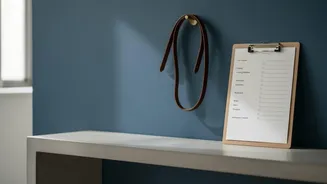

Start with the Basics: Contact and Itinerary
Before diving into pet specifics, give your sitter a clear picture of your own whereabouts and accessibility. Provide your mobile number and let them know if you'll be in an area with limited service. It’s also wise to leave the contact information for a trusted
local friend or neighbour who can act as a backup decision-maker in case you are unreachable. This person should be someone you've already spoken to and who understands the responsibility. Include details about where you are staying, if relevant, and your expected return date and time. This basic information forms the foundation of a secure and communicative pet-sitting experience.
The Most Critical Section: Your Emergency Plan
This is the most important part of your handover sheet. In an emergency, every second counts, and clear, written instructions are invaluable. Start with the contact information for your regular veterinarian, including the clinic's name, address, and phone number. Crucially, also provide the details for a 24-hour emergency animal hospital. Your vet's office may not be open when an incident occurs. The single most vital document you can leave is a signed veterinary release form. This letter formally authorizes your pet sitter to seek and approve medical treatment for your pet on your behalf. Without it, a vet may be unable to provide anything but the most basic life-saving care, leading to dangerous delays while they try to contact you. You can find templates for these forms online or through veterinary offices.
Authorizing Care and Covering Costs
Your signed permission letter should also specify financial instructions. You can either state that you authorize any costs necessary for treatment or set a pre-approved spending limit. For amounts exceeding your specified limit, the form should instruct the veterinarian to contact you for approval. To make the process even smoother, contact your vet's office before you leave. Let them know you will have a sitter and ask about their policies. Some clinics will allow you to leave a credit card on file, which prevents your sitter from having to pay out-of-pocket for what could be a significant expense. This proactive step removes a major potential stressor for everyone involved.
Detailing Your Pet’s Daily Life
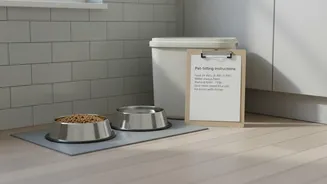
Pets thrive on routine, so a detailed schedule can help minimise their anxiety while you're away. Outline their feeding schedule, including what type of food they eat, portion sizes, and where the food is stored. Be specific about treats—how many and how often. Do the same for their exercise and potty routine. Note the timing and duration of walks, and any on-leash behaviours the sitter should be aware of. Also include information about medications, with precise instructions on dosage and timing. Don't forget to mention their sleeping arrangements and any comfort items, like a favourite bed or toy.
Personality, Quirks, and Household Info
Every pet has a unique personality. Does your dog bark at delivery drivers? Is your cat terrified of the vacuum cleaner? Sharing these behavioural quirks and fears helps your sitter understand your pet's actions and avoid potential triggers. Also list any favourite hiding places, in case the sitter can't immediately find them. Finally, include helpful household information. Write down the Wi-Fi password, instructions for any home security systems, where to find cleaning supplies for pet messes, and the schedule for rubbish collection. These details help ensure the stay is smooth for both the sitter and your pet.