





The Allure of the Curve
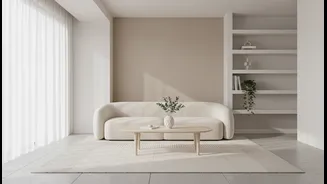
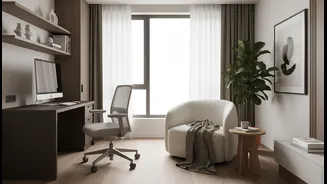
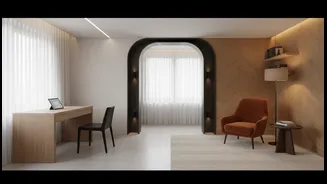
There's no denying the visual appeal. Curved furniture breaks up the boxy, rigid lines of a typical room, creating a sense of movement and flow. This connection to softer, organic shapes found in nature can make a space feel calmer and more harmonious.
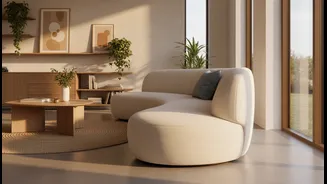
The trend is a shift away from purely functional, angular designs toward pieces that prioritise comfort and a welcoming atmosphere. A curved sofa, for example, can instantly make a living room feel more social by naturally directing those seated towards each other, creating an intimate conversation zone. For families with young children, the absence of sharp corners is another significant advantage, reducing the risk of bumps and bruises.
The Space and Placement Puzzle
This is where the dream meets reality. Unlike a straight sofa that can be pushed flush against a wall, a curved piece demands more thoughtful placement. They often look best when 'floating' in the middle of a room, which allows their sculptural shape to be appreciated from all angles. This requires a generous amount of space, making them a better fit for larger, open-plan homes. In smaller rooms or apartments, a large curved sectional can quickly feel overwhelming. You have to account for the 'dead space' that inevitably forms behind the curve, which can disrupt traffic flow if not planned for. It's also critical to measure door swings and clearances to ensure you can even get the piece into the room and that it won't obstruct movement once in place.
The Awkward Cleaning Gap
That dead space behind the sofa isn't just a layout challenge; it's a dust magnet. The gap between the curved back and the straight wall creates an awkward area that is difficult to reach with a standard vacuum cleaner or broom. This can lead to an accumulation of dust, pet hair, and lost items. Regular maintenance requires pulling the often-heavy furniture away from the wall for a thorough cleaning. The fabric itself, frequently a textured material like bouclé, can also present challenges. The looped texture that gives bouclé its appeal can trap dust and debris, requiring gentle but frequent vacuuming with an upholstery attachment to keep it looking fresh.
Pairing and Proportions
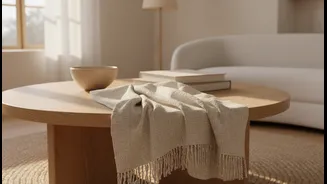
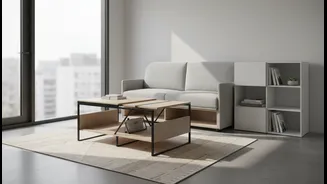
A curved sofa can't exist in isolation. Its shape influences the entire room's layout and furniture pairings. For instance, a rectangular coffee table can look awkward in front of a crescent-shaped sofa; an oval or round table often complements the lines much better. Similarly, placing side tables requires careful thought to ensure they are within reach without impeding the natural flow around the sofa. Some designers warn against pairing too many curved items together, as it can feel visually overwhelming. The key is to create balance. A curved statement piece can beautifully soften a room with strong architectural lines, but it needs to be grounded by some straight-lined elements to create a harmonious and layered look.
Making Curves Work in Your Home
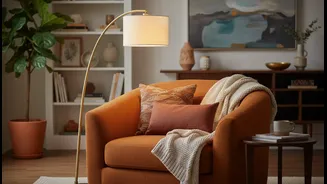
If you love the look but are worried about the practicalities, you don't have to go all-in with a massive sectional. You can introduce the trend on a smaller scale. A pair of curved barrel chairs, a round ottoman, or a demilune console table can bring that soft, organic feel into your space without requiring a complete floor plan overhaul. These smaller pieces are particularly effective in compact rooms, where they can soften tight layouts and improve visual flow without consuming precious square footage. Before you buy, map it out. Use painter's tape on the floor to outline the footprint of the furniture you're considering. This will give you a real-world sense of how much space it will occupy and how it will affect your ability to move around the room.