


What are Solid-State Batteries?
At its core, a battery works by moving ions between two electrodes through a medium called an electrolyte. For decades, electric vehicles have relied on lithium-ion batteries, which use a liquid electrolyte. Solid-state batteries, as the name suggests,
replace this flammable liquid with a solid material, often a ceramic or polymer. This fundamental change in design is what unlocks a host of benefits. Think of it as upgrading from a water-filled balloon to a solid rubber ball—it’s more stable, robust, and compact. While the basic principle of using lithium ions remains, the solid structure makes the battery inherently safer and more efficient.
More Power, Less Weight
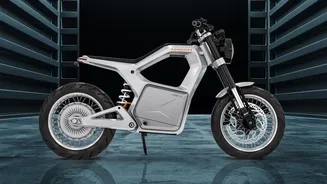
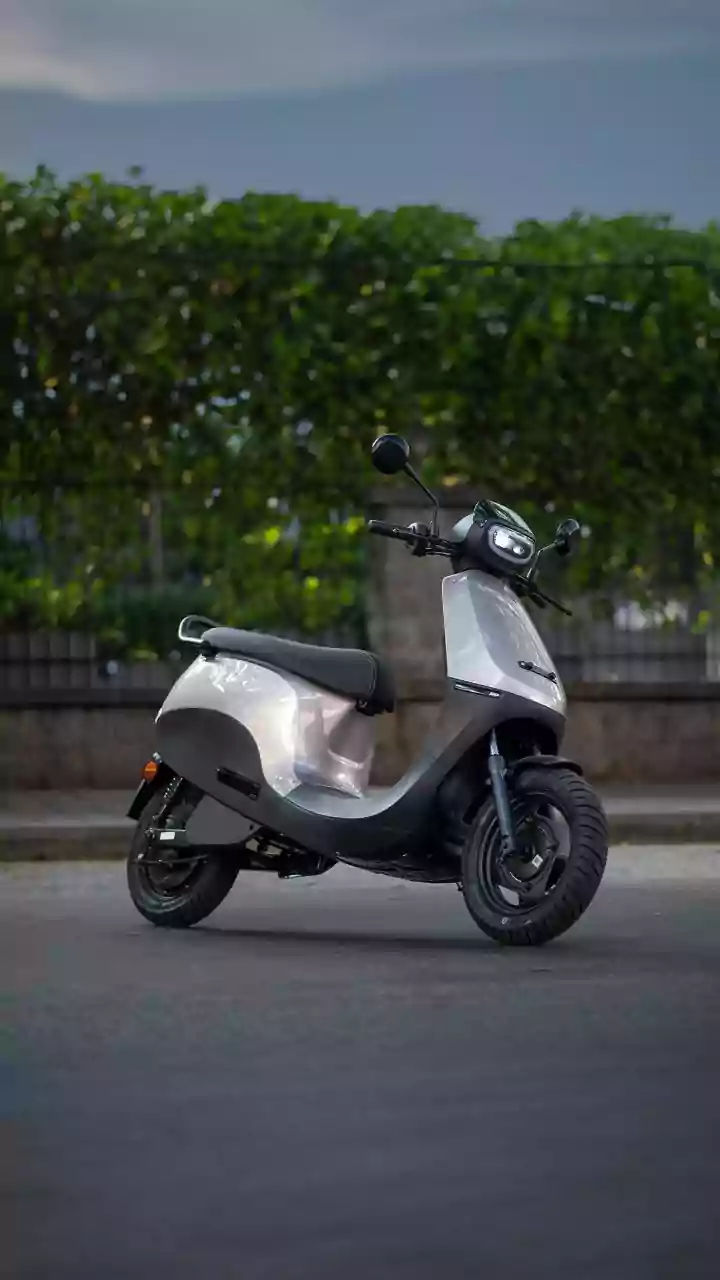
One of the key advantages of solid-state technology is its superior energy density. This means it can store more energy in a smaller and lighter package compared to current lithium-ion batteries. For an electric scooter or motorcycle, this is a game-changer. Manufacturers can either offer a much longer range with a battery of the same size or use a smaller, lighter battery to achieve the current range. A lighter battery not only makes the vehicle easier to handle but also improves overall efficiency, allowing it to travel further on the same amount of energy. Some prototypes are showing the potential to double the energy density of today's batteries.
The Direct Path to Lower Prices
The headline claim seems counterintuitive, as new technology is often more expensive at first. Currently, manufacturing solid-state batteries is costly due to complex processes and a lack of scale. However, the long-term cost reduction comes from several factors. Firstly, solid-state batteries can potentially eliminate expensive and ethically challenging materials like cobalt and nickel. Secondly, their inherent safety reduces the need for heavy and expensive cooling systems and protective casings that are mandatory in today's liquid-filled battery packs. By simplifying the overall battery pack design and removing these bulky components, manufacturers can significantly cut down on both material costs and weight, leading to a cheaper final vehicle.
Safety and Speed as a Bonus
Beyond cost, solid-state technology offers two massive improvements: safety and charging speed. The liquid electrolyte in current batteries is flammable, creating a risk of thermal runaway or fires if the battery is damaged. By using a solid, non-flammable electrolyte, this risk is virtually eliminated, making the vehicles much safer. Furthermore, the solid structure allows for much faster ion transfer, enabling incredibly quick charging times. Some companies have demonstrated prototypes that can charge from 10% to 80% in under 15 minutes, with some even aiming for a full charge in five minutes. For a rider in a bustling Indian city, this could make charging as quick as a fuel stop.
Timeline for Indian Roads
While the technology is incredibly promising, it's important to have realistic expectations. Major automakers and battery companies are investing billions, but mass-scale production remains a challenge. We are already seeing the first production motorcycles with solid-state technology becoming available in international markets in 2026, which is a huge milestone. However, widespread adoption in the cost-sensitive Indian two-wheeler market will likely take a few more years. Experts predict that as manufacturing scales up through the late 2020s, costs will decrease significantly. Indian riders can expect to see these advanced batteries appear in premium models first, with the technology gradually trickling down to more affordable mass-market scooters and bikes in the early 2030s.