



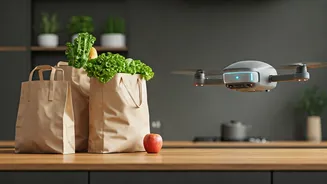



The 10-Minute Retail Revolution
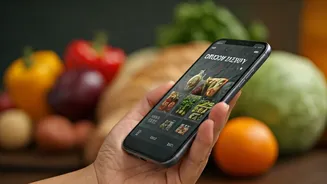
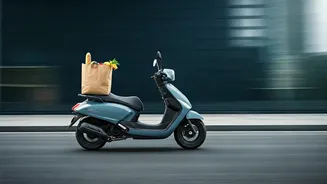
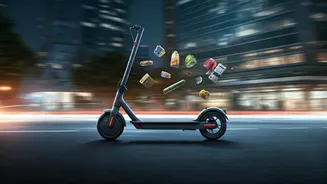
Quick commerce, or q-commerce, is the next evolution of e-commerce, built on one simple promise: ultra-fast delivery, often within 10 to 30 minutes. [12, 18] Unlike traditional e-commerce which relies on large, centralised warehouses, q-commerce operates
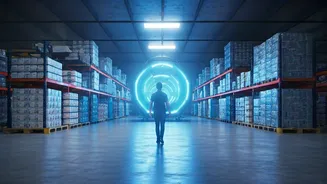
through a network of 'dark stores'. [2] These are small, strategically located fulfillment centers in dense urban neighborhoods, stocked with a limited range of high-demand products. [2, 20] This hyperlocal model, powered by real-time inventory and route-optimisation technology, allows platforms to deliver groceries, medicines, and other daily essentials at unprecedented speeds. [13] It has grown from a niche service to a mainstream channel in just a few years, fundamentally changing consumer expectations. [5, 18]
Why We Crave Instant Gratification
The rapid adoption of q-commerce is a direct reflection of a new consumer mindset where convenience is king. [17] According to a recent report, over 70% of Indian consumers would continue using these platforms even without discounts, signaling a major shift from price-sensitivity to a preference for speed and ease. [16] This behavioural change has been accelerated by several factors: rapid urbanisation, hectic lifestyles, rising smartphone penetration, and the on-demand culture fostered by ride-hailing and food delivery apps. [2, 13, 22] Consumers, particularly millennials and Gen Z, now use these services not just for impulse buys but also for planned top-ups and urgent needs, moving away from the traditional monthly grocery run. [8, 13, 16]
The Battle for India's Doorstep
The Indian quick commerce market has become a fiercely competitive arena. The market is dominated by three major players: Zomato-owned Blinkit, Zepto, and Swiggy Instamart, which together command the vast majority of the market share. [5, 14] Blinkit has solidified its lead, holding a significant portion of the market. [24, 25] The competition is intensifying, with giants like Flipkart and Amazon scaling up their own offerings, Flipkart Minutes and Amazon Now, respectively. [4] This has led to an aggressive expansion into Tier 2 and Tier 3 cities and a widening of product categories beyond groceries to include electronics, beauty products, and even fashion. [4, 10, 15]
The High Cost of Convenience
While the growth is explosive, profitability remains a major challenge for the sector. [2, 3] The business model is capital-intensive, burdened by the high operational costs of running numerous dark stores, maintaining a large delivery fleet, and the constant need for promotions and discounts to acquire and retain customers. [3, 9] Unit economics are strained because the average order value is often low, while the costs associated with picking, packing, and last-mile delivery are high. [3, 20] Consequently, most companies are still operating at a loss, heavily reliant on venture capital to fuel their growth. [13, 26] Fewer than 10% of brands selling on these platforms are reportedly profitable at a net margin level. [9]
The Ripple Effect on Retail
The rise of q-commerce is having a nuanced impact on India's vast network of traditional kirana stores. While the overall share of q-commerce in national grocery retail is still modest, its effect is strongly felt in urban centers. [6] It's not the smaller neighbourhood shops but the premium, 'A-type' grocery stores in metros that are facing the most heat. [6] The convenience-driven demand is siphoning customers away from these traditional channels, leading to declining footfall for many. [6, 8] Studies have pointed to significant economic distress and even store closures as a result of the competition. [8, 15] However, this disruption is also pushing kiranas to modernise by adopting digital payments and exploring partnerships with tech platforms to survive in the evolving landscape. [7, 12, 15]