

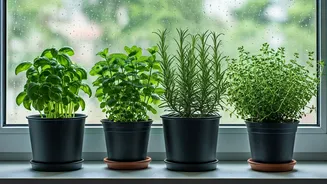
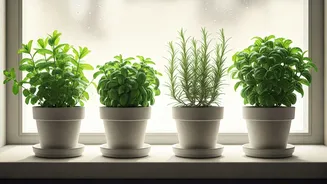
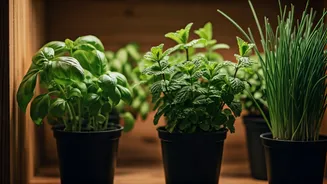


1. Mint (Pudina)
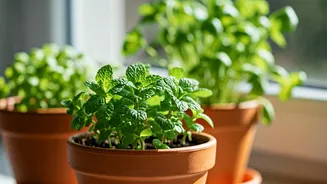
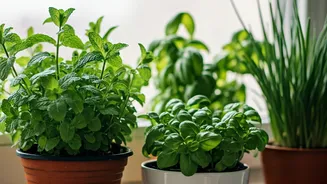
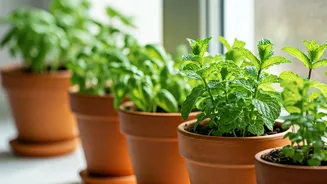
Mint is famously resilient and one of the easiest herbs to grow indoors, making it ideal for the monsoon. It's known for its tolerance of partial shade and moist soil, conditions that are common during the rainy season. In fact, mint can sometimes grow aggressively,
so keeping it in a container is the perfect way to manage it. For windowsill gardening, choose a pot that is wide rather than deep to accommodate its tendency to spread sideways. Use a well-draining potting mix, and water it when the top inch of the soil feels dry, being careful to avoid waterlogging. Place it near a window that gets some indirect morning sun, and it will flourish. Regularly harvesting the leaves not only provides you with fresh pudina for teas, chutneys, and drinks but also encourages the plant to become bushier and more productive.
2. Parsley
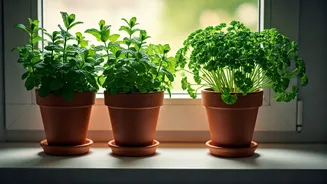
Both curly and flat-leaf parsley are excellent choices for low-light indoor gardening. Naturally a biennial plant that grows close to the ground, it is adapted to handle partial shade. While it enjoys sun, it can be quite forgiving in a less-than-bright windowsill spot, though growth might be a bit slower. To get started, it's best to sow seeds directly into your chosen pot, as parsley has a long taproot that dislikes being transplanted. Use a deep pot to give this root space to grow. Keep the soil consistently moist but ensure the pot has good drainage to prevent rot. Harvesting is simple: snip the outer stalks close to the soil. This allows the inner leaves to continue growing and ensures you have a continuous supply for garnishing salads, soups, and curries throughout the season.
3. Chives
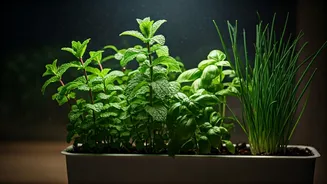
With their slender, grass-like leaves and mild onion flavour, chives are a delightful and resilient addition to any windowsill. They are known to be one of the easiest herbs to manage indoors and perform exceptionally well in containers. While they do best with several hours of sun, they are surprisingly tolerant of lower light conditions, even if it means their leaves might grow a bit thinner. To care for chives, use a well-draining soil mix and water consistently, ensuring the pot doesn't get waterlogged. A 6-inch pot is often sufficient. One of the best things about chives is that frequent harvesting encourages new growth. When you need some, don't just snip the tips; cut the leaves about an inch from the soil to stimulate the plant to produce fresh, new shoots.
4. Lemon Balm
A member of the mint family, lemon balm is wonderfully easy to grow and brings a refreshing citrus scent to your home. It’s a forgiving herb that can thrive in a pot on a windowsill, even in less than perfect light conditions. While it appreciates bright, indirect light, it can tolerate some shade. An east-facing window is often an ideal spot. Like mint, it can spread, so a container is the best way to keep it contained. Use a quality potting mix with good drainage and water when the top inch of soil feels dry. Avoid letting the pot sit in water, as this can lead to root rot. The leaves are perfect for making calming teas or adding a zesty flavour to water and salads. Regular trimming will keep the plant compact and bushy.