


A Vision for Wildlife After Dark
The government of Uttar Pradesh is developing what it bills as India's first urban night safari within the Kukrail Reserve Forest on the outskirts of Lucknow. The ambitious project, which recently received final approval from the Supreme Court, is inspired
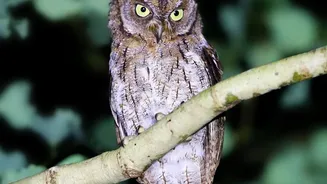
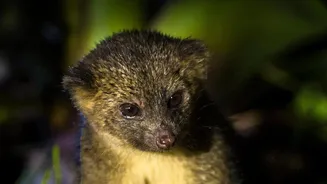
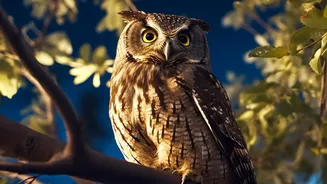
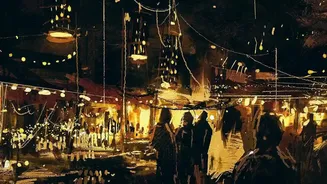
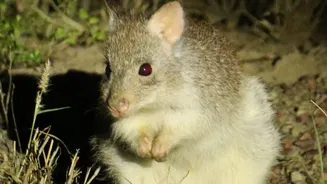
by Singapore's world-renowned Night Safari. The core idea is to offer visitors a unique chance to observe nocturnal animals when they are most active, using specially designed, moonlight-mimicking lighting that allows for clear viewing without disturbing the creatures. This initiative aims to blend wildlife conservation and education with a new form of eco-tourism, transforming a section of the 2,027-hectare forest into a premier destination. The total project is estimated to cost over INR 1,500 crore and will be developed in multiple phases.
What to Expect from the Nocturnal Adventure
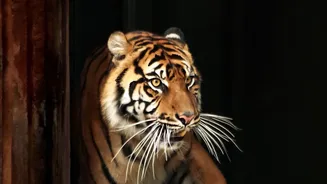
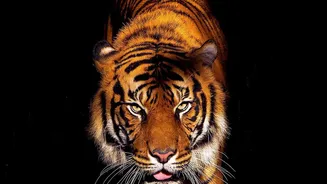
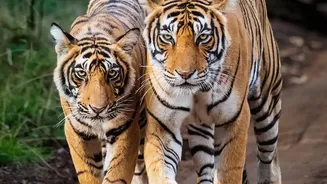
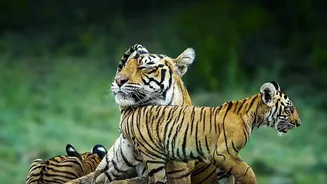
Once operational, visitors will be ferried through the park on quiet, battery-operated trams for a journey lasting approximately 40 minutes. The safari is planned to feature several theme-based zones, such as an African savanna and an Indian wetlands area, housing animals in large, naturalistic habitats instead of traditional cages. Plans include enclosures for at least 38 species in the first phase, with majestic animals like Asiatic lions, Bengal tigers, leopards, and bears on the proposed list. Beyond the safari ride itself, the master plan includes a range of visitor facilities, including a 7D theatre, an art gallery, nature trails, and cafeterias, all designed to create a comprehensive and immersive experience.
The Kukrail Connection and Conservation
The choice of the Kukrail forest is significant. The area is already home to India's oldest gharial breeding and rehabilitation centre, a successful conservation program established in 1975. Officials have stated the new development will be confined to underused parts of the forest to protect this important ecological heritage. The project isn't just about tourism; it also aims to be a hub for conservation breeding and research. While an earlier proposal to relocate Lucknow's main zoo to Kukrail was rejected by the courts, the night safari and a new day zoo will coexist within the larger forest area, creating one of India's biggest integrated wildlife tourism projects.
Timeline and What It Means for Lucknow
After years of planning and scrutiny, the project cleared its final legal hurdle in July 2026, allowing development to move forward. The construction of the first phase is expected to take approximately 24 months. While some earlier estimates had hoped for a late 2026 opening, a more realistic timeline points toward a phased opening beginning in 2027, subject to construction progress. For travellers, the safari promises to be a game-changer. It will add a completely new dimension to Lucknow's tourism portfolio, which is currently dominated by heritage and cultural sites. The safari is expected to attract both domestic and international visitors, positioning Lucknow as a key destination for weekend trips from nearby cities and a highlight on any Uttar Pradesh itinerary.