







The Burning Problem with EV Batteries
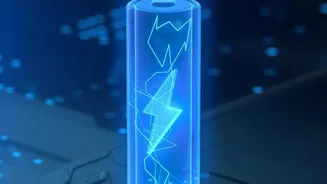
Electric vehicles are a cornerstone of a greener future, but the lithium-ion batteries that power them have a well-known vulnerability: they can be flammable. The issue lies with the liquid electrolyte, a solution that allows charged particles to flow
between the positive and negative electrodes. This liquid is typically made of volatile and flammable organic solvents. If a battery is damaged, overheats, or has a manufacturing defect, it can lead to a dangerous situation called 'thermal runaway'. This is a rapid, uncontrollable chain reaction where the battery heats up, releasing toxic, flammable gases and often resulting in a fire that is notoriously difficult to extinguish. This safety concern remains a significant hurdle for widespread EV adoption.
A Breakthrough from an Unlikely Source
In laboratories around the world, scientists have been hunting for a safer alternative, leading them to an abundant and surprising resource: agricultural waste. The key ingredient is lignin, a natural polymer that gives plants their rigidity. Lignin is a major byproduct of the paper and biofuel industries, often burned for low-value energy or simply discarded. Researchers have discovered that this complex organic material can be transformed into components for a safer, more stable battery. Teams from institutions like Germany's Fraunhofer Institute are processing lignin into high-performance materials for electrodes, while others are using it to create non-flammable electrolytes.
How Lignin Creates a Safer Battery
The transformation from plant fiber to battery component involves advanced chemistry. To create a safer electrolyte, scientists can modify lignin to create an ionic liquid or a gel polymer. Unlike the volatile liquids in current batteries, these lignin-based electrolytes are not flammable, possessing high thermal stability. This inherently prevents the risk of thermal runaway. Some research focuses on using lignin to create solid-state or gel polymer electrolytes, which are physically more stable and less prone to leaking or short-circuiting. For anodes, lignin can be heated to high temperatures in a process that converts it into 'hard carbon', a material that can effectively store sodium or lithium ions, replacing the traditionally used graphite. This process creates a battery that is not only resistant to fire but also built from a renewable resource.
The Circular Economy Advantage
This innovation offers a powerful dual benefit. First, it addresses the critical safety concerns holding back some consumers from embracing EVs. A non-flammable battery would be a massive selling point, offering peace of mind. Second, it creates a high-value application for agricultural and industrial waste. Instead of contributing to pollution or being underutilized, waste like wood pulp, corn stover, and rice husks can become a key part of the clean energy supply chain. This 'circular economy' approach, where waste from one industry becomes the raw material for another, is a major step toward truly sustainable technology. It reduces reliance on mined materials like graphite and cobalt, which have their own environmental and ethical costs.
The Road Ahead for Waste-Powered Batteries
While the science is promising, you won't find a lignin-powered battery in a car tomorrow. Most of this research is currently at the laboratory or prototype stage. The primary challenges are scalability and cost. Scientists need to prove that these batteries can be manufactured on an industrial scale at a price point competitive with existing lithium-ion technology. They also need to ensure these new batteries meet the rigorous performance demands of EVs, including fast charging, long cycle life, and high energy density. However, with multiple research teams and companies like Nexus Power making progress, the path from lab to production is becoming clearer. These advancements signal a future where our cars are not only cleaner to drive but are also powered more safely and sustainably.