







Understanding the Unwanted Guest
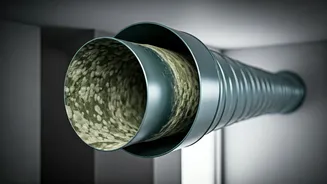
What we commonly call fungus in our homes usually refers to mould or mildew. These are microscopic fungi whose spores are always present in the air. For these spores to grow into a visible colony, they need three things: a food source (like wood, drywall,
or even dust), a suitable temperature, and, most importantly, moisture. High humidity provides the perfect damp environment for these spores to land, germinate, and spread. In fact, with enough moisture, mould colonies can begin to grow in as little as 24 to 48 hours, making humid rooms a prime breeding ground. Any indoor humidity level consistently above 60% creates an ideal condition for fungus to thrive.
The Telltale Signs of Fungus
The most obvious sign is seeing it—mould can appear as spots of black, green, white, or even orange, and can be fuzzy, slimy, or powdery. But your nose often knows first. A persistent, musty, earthy smell is a strong indicator of hidden mould, perhaps behind wallpaper, under carpets, or inside cabinets. Other clues include water stains or discoloration on walls and ceilings, peeling or bubbling paint, and persistent condensation on windows. If you notice these signs, it’s time to investigate, as unseen fungus can be just as problematic as the growth you can see.
Why You Should Take It Seriously
For many, exposure to mould can trigger allergic reactions. Symptoms can include a stuffy or runny nose, itchy and watery eyes, coughing, wheezing, or a skin rash. For individuals with asthma or mould allergies, the reactions can be more severe. The World Health Organization has also noted a link between indoor dampness and mould with upper respiratory tract symptoms and coughs in otherwise healthy people. Beyond the health implications, fungus can also cause long-term damage to your home by eating away at the materials it grows on, leading to rot and structural issues if left unchecked.
Your Action Plan for Prevention
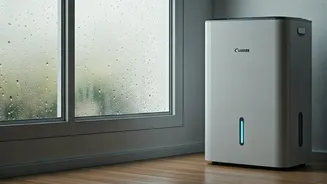
Preventing fungus is all about controlling moisture. The key is to keep indoor humidity levels between 40% and 60%. Start with ventilation; open windows and doors to allow for cross-breeze during non-rainy parts of the day. Use exhaust fans in kitchens and bathrooms during and after cooking or showering to vent steam. Fix any leaks in your roof or plumbing immediately. Avoid drying clothes indoors if possible, as this releases a large amount of moisture into the air. During peak monsoon, running an air conditioner or a dehumidifier can be very effective at pulling moisture from the air. Wiping condensation from windows and walls daily also helps.
Natural and DIY Solutions
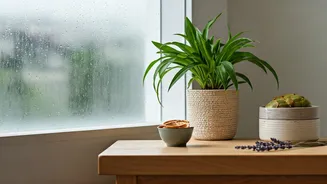
You can also use natural methods to fight humidity. Placing bowls of rock salt or charcoal briquettes in damp corners can help absorb excess moisture. Some indoor plants, like peace lilies and spider plants, are also known for absorbing moisture from the air. When cleaning small patches of mould on hard surfaces, a solution of equal parts white vinegar and water can be effective. Spray it on, let it sit for an hour, and then wipe clean. A paste of baking soda and water can also be used to scrub away spots on tiles and grout. For any mould problem larger than about 10 square feet, or if it's in your HVAC system, it's best to call a professional for safe removal.