







Why a Second Home is Crucial
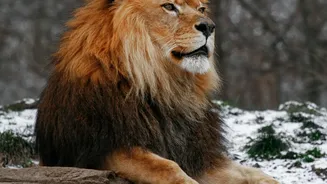
The story of the Asiatic lion is one of remarkable recovery, from fewer than fifty individuals to over 674 by 2020. However, confining them to Gir National Park creates what conservationists call a 'genetic bottleneck'. With low genetic diversity, the entire
population is vulnerable to epidemics. A 2018 canine distemper virus outbreak that killed dozens of lions in weeks was a stark reminder of this danger. Furthermore, Gir's carrying capacity is stretched, leading to increased territorial disputes among lions and rising instances of human-wildlife conflict as the animals venture out. Establishing a geographically separate population is not just a precautionary measure; it is an ecological necessity for the long-term survival of the species.
Introducing Barda: The Chosen Land
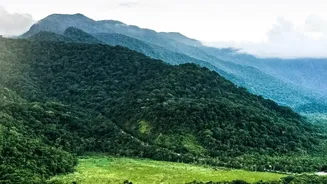
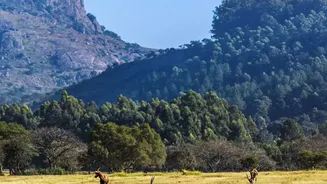
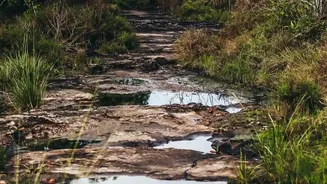
Located about 100 kilometres west of Gir, the Barda Wildlife Sanctuary was identified as a potential second home for lions as early as 1979 under the Gir-Barda Project. Spanning 192 square kilometres of hilly forests, scrubland, and diverse flora, Barda was historically part of the lions' range before they disappeared from the area in the late 19th century. Its landscape and vegetation bear a resemblance to Gir, making it a suitable habitat. The sanctuary, a former private hunting ground for the princely states of Porbandar and Jamnagar, is now at the forefront of 'Project Lion', a comprehensive conservation plan launched in 2020 to protect and manage India's lion population.
Paving the Way for a New Population
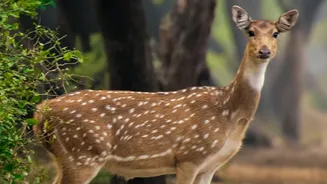
The establishment of lions in Barda began with a natural migration. In January 2023, a lone male lion wandered into the sanctuary, signaling that the habitat was ready. Following this, the Gujarat Forest Department translocated five lionesses from Gir to join him. This combination of natural dispersal and scientific intervention proved successful. By 2025, the sanctuary was home to a breeding population of 17 lions, including 11 cubs. To support them, significant efforts are underway to improve the habitat. This includes augmenting the prey base by translocating spotted deer (chital) and sambar, developing grasslands, and removing invasive plant species. A healthy prey population is critical to prevent lions from targeting domestic livestock, a key source of potential conflict.
Challenges and Community Engagement
The project is not without its hurdles. One major concern is managing human-wildlife interactions, as the sanctuary is home to Maldhari pastoralist communities. To address this, the government announced a voluntary relocation scheme in October 2026, offering financial packages to families willing to move outside the sanctuary, freeing up the area from human pressure. Another challenge is ensuring the prey base is robust enough to sustain a growing lion population. Reports have also noted that Barda's current capacity might be limited, necessitating careful landscape management as the population expands. The government is also investing in infrastructure like protective walls for open wells and promoting eco-tourism to involve the local community and create alternative livelihoods.
The Road Ahead for Project Lion
Barda has been officially designated 'Satellite Population 8' under Project Lion, marking it as the first fully protected secondary habitat for lions within Gujarat. The success here is a testament to a science-based, community-focused conservation approach. As the number of lions grows, officials anticipate they will naturally disperse into the surrounding landscape, highlighting the need for a broader conservation strategy beyond the sanctuary's borders. Monitoring of the radio-collared lions continues to provide invaluable data on their habitat use, diet, and social structures, which will inform future management decisions. Barda represents more than just a new address for lions; it is a vital lifeline, a buffer against extinction, and a blueprint for how a species can be carefully guided back to its historic range.