


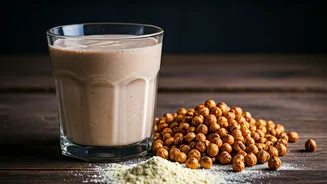



The Rise of an Ancient Superfood
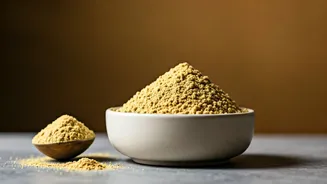
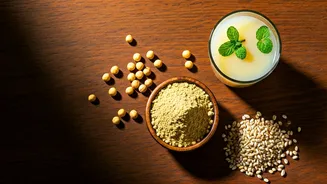
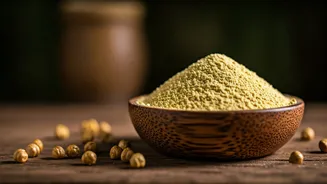
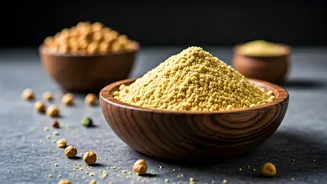
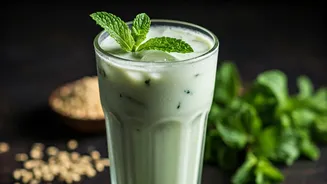
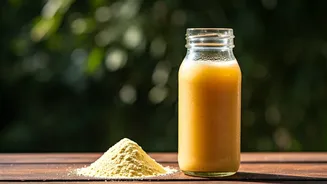
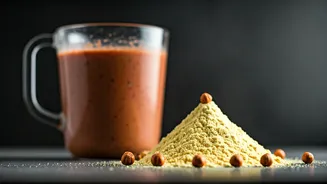
For generations, sattu has been the quiet workhorse of the Indian diet. Made from roasted gram (chana) or a mix of grains and pulses, this flour is a powerhouse of nutrition that has fuelled everyone from farmers in Bihar to soldiers on the march. Traditionally
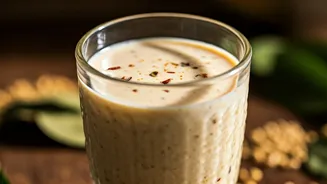
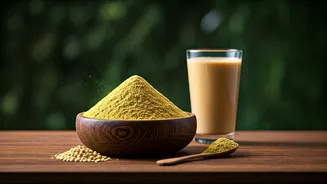
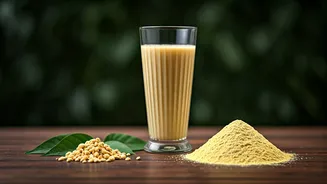
mixed with water, salt, and a squeeze of lime, it’s known as a ‘poor man’s protein’ for its affordability and accessibility. But now, this rustic staple is being rediscovered by a completely new audience: urban, health-conscious millennials and Gen Z who are increasingly skeptical of slickly marketed, factory-made wellness products.
The Problem with Performance Drinks
To understand sattu’s new appeal, we have to look at what it’s replacing. Mainstream performance and energy drinks often promise enhanced athletic ability, focus, and hydration. However, a quick look at the ingredients list reveals a different story. Many are loaded with refined sugar or artificial sweeteners, leading to a quick energy spike followed by a dramatic crash. They can also contain high levels of caffeine, artificial colours, and preservatives that a growing number of consumers are actively trying to avoid. The promise of ‘performance’ often comes with a hidden cost to long-term health, from potential weight gain to impacts on gut health and insulin sensitivity.
A Nutritional Head-to-Head
When you put sattu and a typical sports drink side-by-side, the difference is stark. Sattu is a complex carbohydrate with a low glycemic index, meaning it releases energy slowly and sustainably, preventing blood sugar spikes. It’s packed with plant-based protein, essential for muscle repair and growth, and is incredibly rich in insoluble fibre, which aids digestion and promotes a feeling of fullness. It’s also a natural coolant, making it perfect for hydration in India’s hot climate. Performance drinks, in contrast, offer simple sugars for a quick burst of energy but very little else in terms of holistic nutrition. Sattu provides sustained power; sports drinks offer a temporary, often jittery, lift.
The 'Clean Label' Movement
This shift isn't just about protein and fibre; it’s about a fundamental change in consumer mindset. Today’s younger generation is fluent in the language of ‘clean eating’ and ‘clean labels’. They want to know exactly what they are putting into their bodies. Sattu has one ingredient: roasted gram. There are no unpronounceable chemicals, no hidden sugars, and no artificial anything. This transparency is a powerful selling point in an era of mistrust towards big food corporations. It aligns perfectly with the global wellness trend that prioritizes whole, unprocessed, and natural foods over convenient but compromised alternatives.
A Return to Culinary Roots
Embracing sattu is also a cultural statement. It represents a proud return to ancestral wisdom and a rejection of the idea that Western products are inherently superior. For many, choosing sattu is an act of reclaiming their heritage and supporting local food systems. Social media is filled with fitness influencers and nutritionists championing traditional Indian superfoods, from turmeric lattes to moringa smoothies. Sattu fits perfectly into this narrative. It's sustainable, locally sourced, and deeply connected to Indian identity, making it not just a health choice but a lifestyle and political one, too.