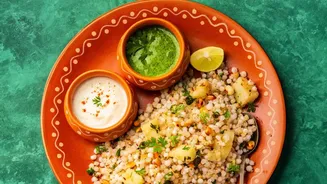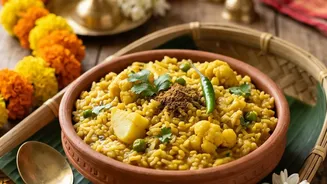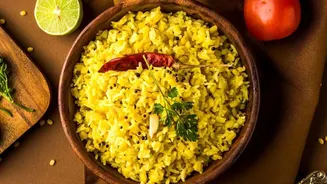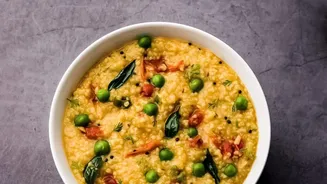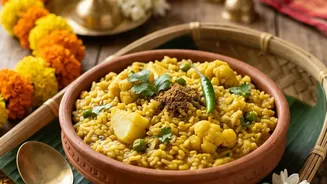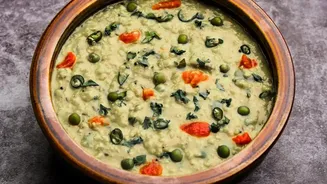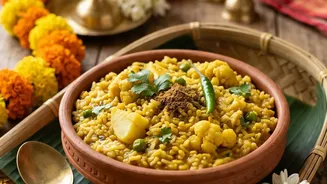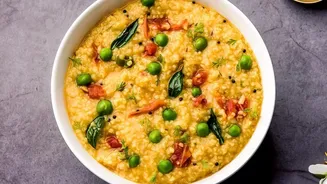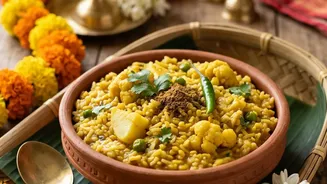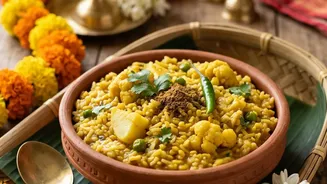

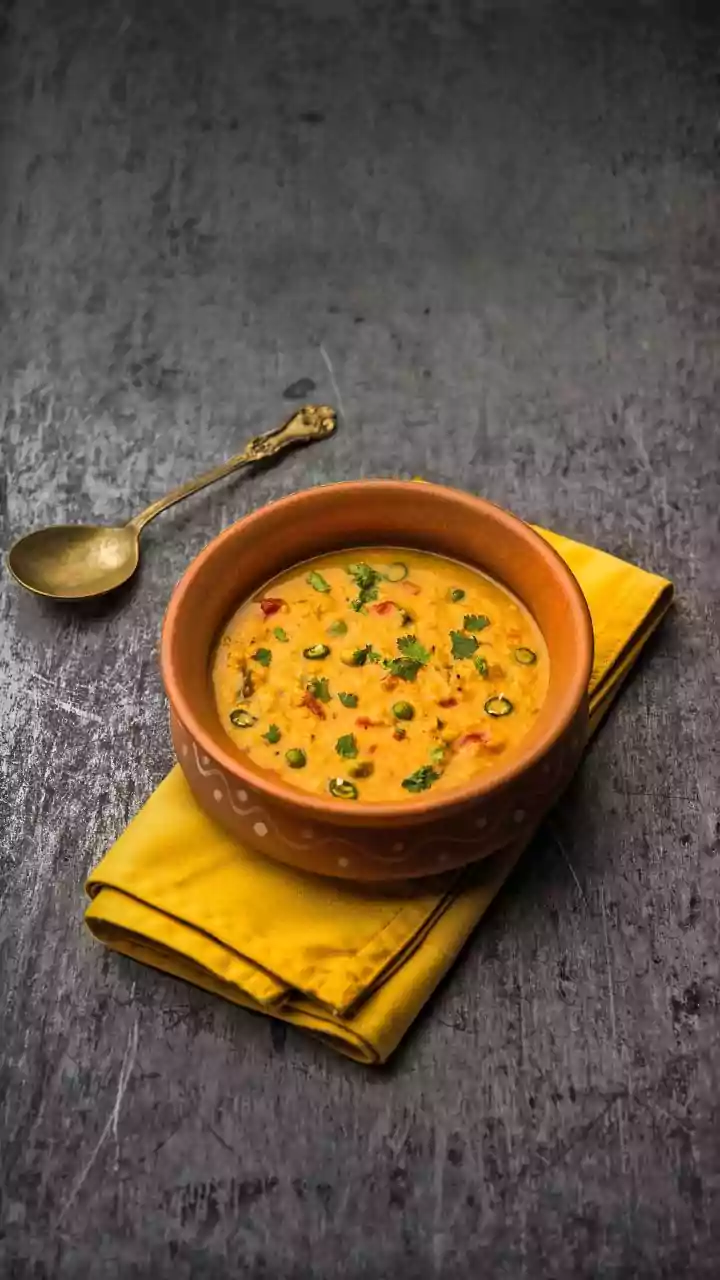
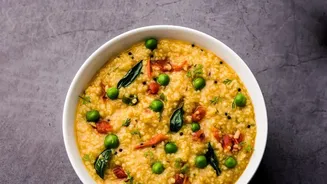
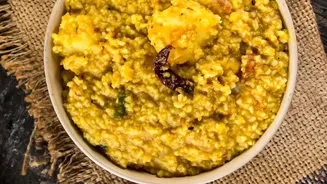
In the world of Indian comfort foods, Dalia and Khichdi reign supreme. Both are hailed as wholesome, light, and nourishing, but their nutritional profiles tell two very different stories, especially when we look at the crucial role of lentils.
The Comfort Food Contenders
Dalia and
Khichdi are staples in countless Indian households, often turned to during illness or when a simple, comforting meal is needed. Dalia is cracked or broken wheat, a single whole grain that retains its nutrient-rich bran and germ. It's typically cooked into a savory or sweet porridge. Khichdi, on the other hand, is a versatile one-pot meal defined by its foundational pairing of rice and lentils (dal). While both are considered healthy, the real difference lies in their composition. Dalia is a solo grain, while Khichdi is a powerful combination of a grain and a legume.
Dalia's Strength: The Whole-Grain Powerhouse
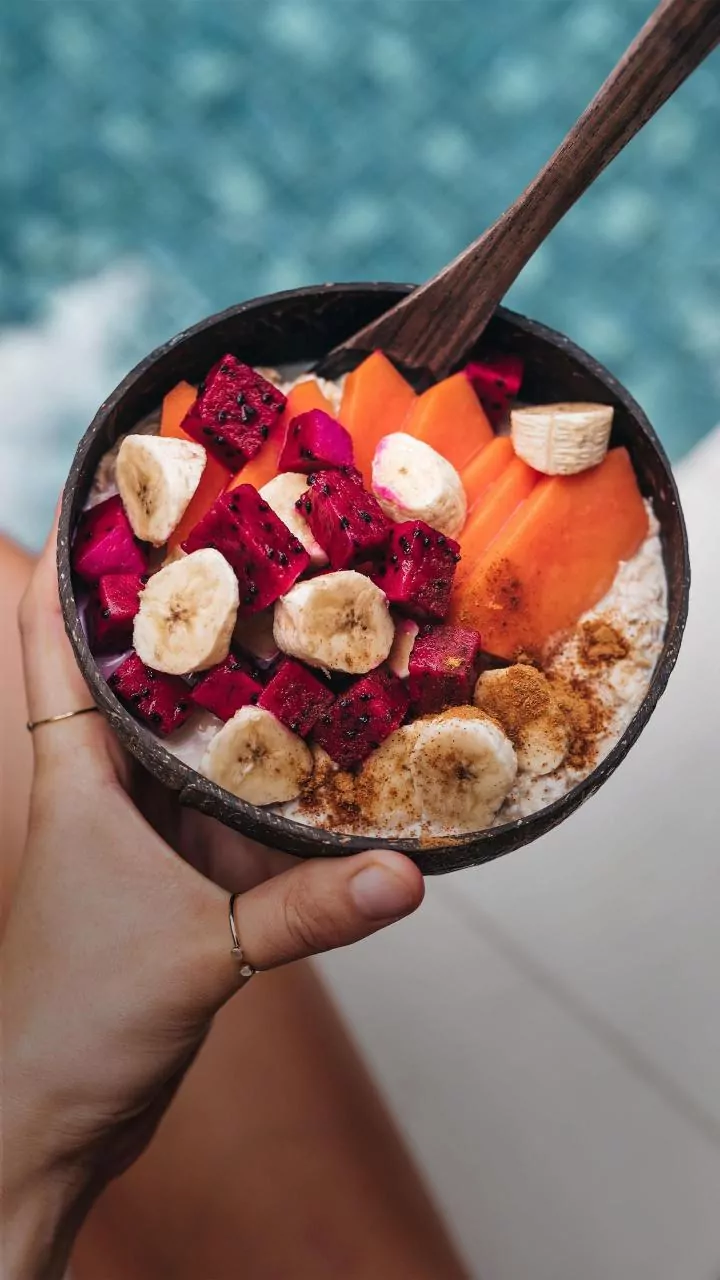
Dalia's primary claim to fame is its high fibre content. Made from coarsely broken whole wheat, it is packed with dietary fibre, which is essential for digestive health, preventing constipation, and promoting a feeling of fullness. This high satiety factor makes it an excellent choice for weight management, as it helps curb overeating and unnecessary snacking. The complex carbohydrates in dalia are digested slowly, providing a sustained release of energy and preventing sharp spikes in blood sugar. This gives it a relatively low glycemic index (GI), making it a favorable option for individuals managing diabetes.
Khichdi's Edge: The Role of Lentils
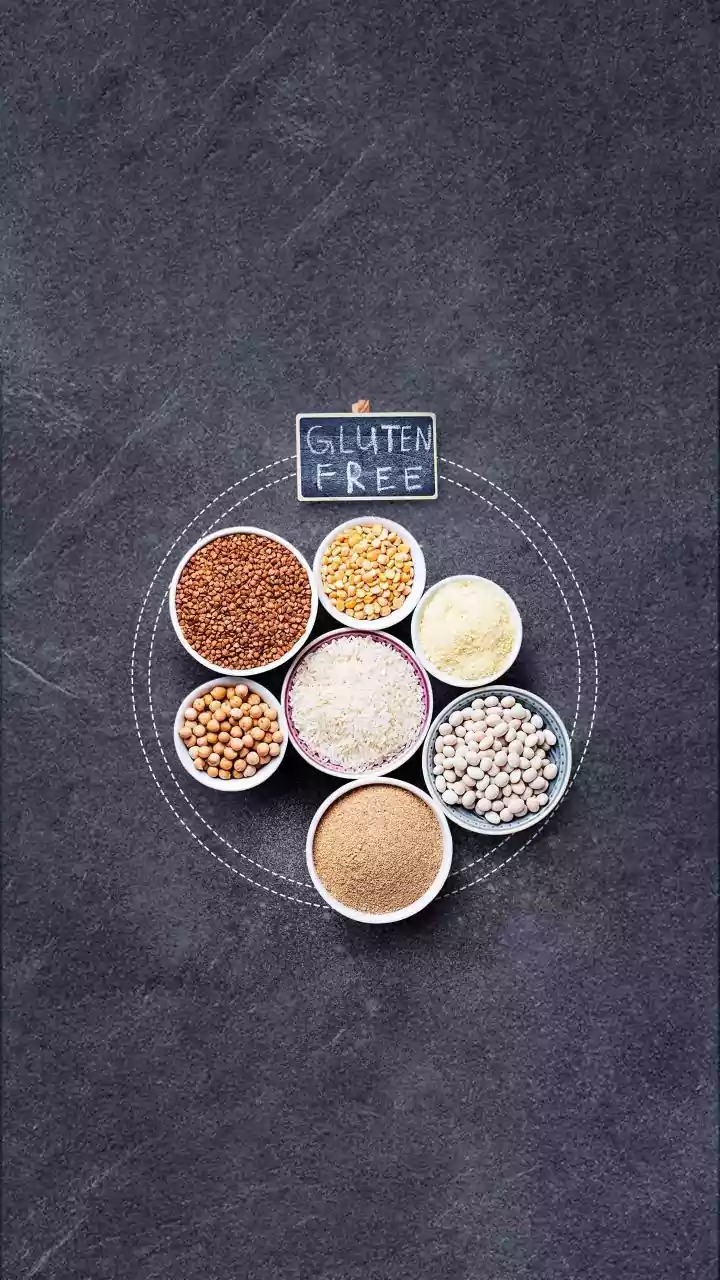
This is where the headline's hero, the lentil, steps into the spotlight. The combination of rice and lentils in khichdi is a masterstroke of traditional food wisdom. On their own, neither rice nor most lentils offer a 'complete protein' because they lack certain essential amino acids. Rice is low in the amino acid lysine, while lentils are low in methionine. When you cook them together in khichdi, their amino acid profiles complement each other perfectly, creating a complete protein that provides all nine essential amino acids your body needs for muscle repair, growth, and overall function. This makes khichdi an outstanding source of high-quality, plant-based protein, similar to what you might find in animal products.
The Nutritional Face-Off
So, how do they stack up? Dalia is the undisputed champion of fibre. A 100g serving of raw dalia can contain around 10g de fibre, significantly more than a typical bowl of khichdi, which provides about 3g de fibre. For protein, a bowl of moong dal khichdi provides a complete protein source, making it superior for muscle maintenance and recovery. Dalia also contains protein (about 12g per 100g raw), but it's not a complete protein on its own. In terms of digestibility, khichdi is famously gentle on the stomach. Its soft, porridge-like consistency requires minimal digestive effort, which is why it's the go to meal during recovery from illness. Dalia's high fibre, while beneficial, can sometimes be harder to handle for those with very sensitive digestive systems.
Which One Is for You?
The better choice depends entirely on your health goals. If your primary objective is weight management, increased satiety, or better blood sugar control, dalia's high fibre and complex carbs make it an excellent pick. It keeps you fuller for longer and provides a slow, steady release of energy. If you need an easily digestible meal that provides high quality complete protein for muscle repair or recovery from illness, khichdi is the ideal option. Its synergistic combination of rice and lentils offers balanced nourishment that is gentle on the gut. For post workout meals, khichdi's complete protein profile is particularly beneficial for muscle recovery.