


Rajgira Kadhi from Gujarat
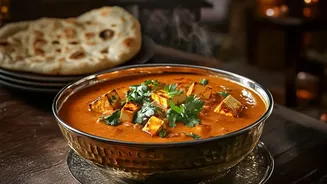
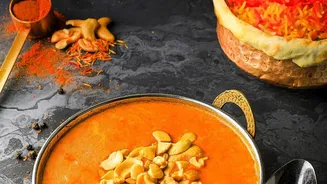
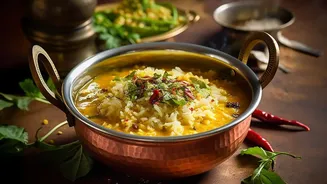
Imagine a creamy, tangy curry that’s both comforting and completely vrat-friendly. That's Gujarati Rajgira Kadhi for you. Unlike its besan-based cousin, this kadhi uses rajgira (amaranth) flour, which is a pseudo-cereal permitted during fasts. The flour is whisked
into sour yogurt to create a smooth, velvety base, then gently simmered with rock salt (sendha namak), ginger, and green chillies. It has a unique nutty undertone from the amaranth flour, balanced by the tang of the yogurt. It’s a beautifully light yet satisfying dish that pairs wonderfully with samak rice or buckwheat puris, offering a sophisticated change from the usual potato-heavy meals.
Kuttu ke Cheele from North India
If deep-fried kuttu ki puri feels too heavy, the kuttu ka cheela is its lighter, more versatile cousin. Popular in North India, this savoury pancake is made from a thin batter of kuttu (buckwheat) flour, water, and mild spices like black pepper and rock salt. You can enhance the batter with grated and squeezed lauki (bottle gourd) or mashed potato for a softer texture. Cooked on a tawa with a drizzle of ghee until crisp at the edges and soft in the centre, it’s a wholesome meal for any time of the day. Enjoy it plain, with a side of yogurt, or even as a wrap filled with a simple paneer stir-fry.
Farali Pattice from Maharashtra and Gujarat
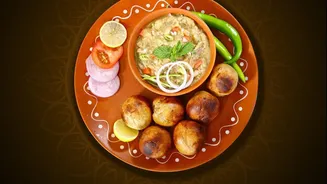
A popular snack from Western India, Farali Pattice is the perfect antidote to sabudana vada fatigue. These golden-fried potato balls hide a delightful secret: a sweet and spicy filling of grated coconut, crunchy peanuts, sesame seeds, and a hint of green chilli and lemon juice. The outer layer is a simple mash of boiled potatoes, seasoned with sendha namak. When fried, the pattice develops a crispy crust that gives way to a soft potato casing and the surprising texture of the filling. It’s a burst of flavour and texture in every bite, hitting sweet, spicy, and tangy notes all at once.
Crispy Arbi Fry from the Hindi Belt
Arbi, or colocasia root, is a starchy vegetable that often gets overlooked but shines in fasting recipes. A simple Arbi Fry is a testament to its potential. The arbi is first boiled until just tender, peeled, and then sliced into coins. These coins are then pan-fried in ghee with cumin seeds and green chillies until they turn golden brown and develop a wonderfully crisp exterior while remaining fluffy inside. A final toss with rock salt, cumin powder, and a squeeze of lemon juice elevates this simple dish into something truly addictive. It can be enjoyed as a side dish or a standalone snack.
Samak Chawal Pulao, a Pan-Indian Staple
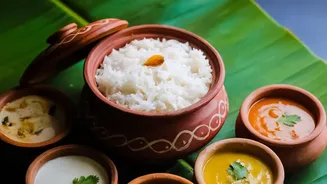
Samak chawal, or barnyard millet, is the perfect substitute for rice during Sawan fasts. A fragrant pulao made from these tiny grains is a hearty one-pot meal that can be customised with a variety of vrat-friendly ingredients. To prepare it, the soaked millet is cooked with ghee, whole spices like cumin and cardamom, and vegetables like potatoes and carrots. Toasted peanuts or cashews are often added for a welcome crunch and richness. The resulting pulao is light on the stomach but incredibly flavourful and filling, making it an ideal lunch or dinner during your fast.
Raw Banana Kebabs for a Savoury Treat
When you're craving something savoury and substantial, Raw Banana Kebabs are an excellent choice. Raw bananas are a permitted vegetable for fasting and serve as a fantastic base for kebabs. The bananas are boiled, mashed, and then mixed with a binding agent like singhara (water chestnut) flour, along with chopped green chillies, ginger, and sendha namak. This mixture is shaped into patties and shallow-fried in ghee until golden and crisp. The result is a kebab that is tender on the inside with a satisfyingly firm bite, offering a meaty texture without breaking any fasting rules.