







Why Seasonal Eating Works
Before we dive into the delicious details, let’s understand why eating seasonally is a smart move for your heart. When fruits and vegetables are grown and harvested in their natural season, they are often at their peak in both flavour and nutritional
value. They tend to have higher levels of antioxidants, vitamins, and minerals—all crucial for cardiovascular health. Seasonal produce is also more readily available and often more affordable. Instead of seeking out expensive, imported “superfoods,” you can find powerful, heart-protective benefits right in your local sabzi mandi. This approach transforms a diet from a list of rules into a culinary adventure aligned with nature’s calendar.
Summer's Heart-Happy Harvest
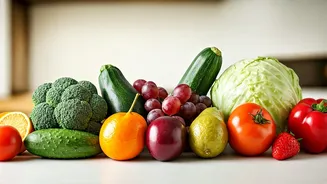
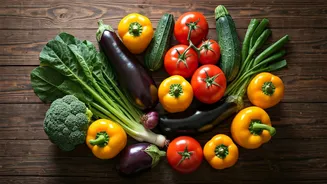
As the temperatures soar, nature provides us with foods that are hydrating and cooling. Watermelon, for example, is not just refreshing; it’s a fantastic source of lycopene, an antioxidant linked to lower blood pressure and reduced risk of heart disease. It's also rich in citrulline, which helps improve blood flow. Don’t forget the humble cucumber (kheera), which is packed with water and potassium to help balance sodium levels. And while mangoes are high in sugar, enjoying them in moderation provides a good dose of fibre, vitamins A and C. Think cooling cucumber raita, a fresh watermelon salad (hold the extra salt!), or a small portion of ripe mango for dessert.
Monsoon's Nutrient-Rich Bounty
The monsoon brings a wealth of gourds and unique fruits. Bottle gourd (lauki), ridge gourd (turai), and snake gourd (chichinda) are incredibly high in dietary fibre, which is essential for managing cholesterol levels. Their high water content and low-calorie profile make them perfect for light, heart-friendly meals. This season also gives us corn (bhutta), a whole grain that offers fibre and folate, which helps lower levels of homocysteine, an amino acid linked to blood vessel damage. Another star is the Jamun (Indian blackberry), which is loaded with anthocyanins—antioxidants that give it its deep purple colour and have been shown to have a protective effect on the heart.
Winter's Warming Winners
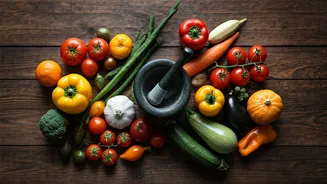
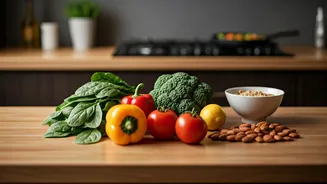
Winter is the season for vibrant, nutrient-dense foods that warm you from the inside out. It's the best time for leafy greens like spinach (palak) and mustard greens (sarson ka saag). These are powerhouses of Vitamin K, nitrates, and magnesium, all of which support healthy blood vessels and blood pressure. Bright red carrots (gajar) are rich in beta-carotene and antioxidants, while beetroot (chukandar) is famous for its dietary nitrates, which the body converts into nitric oxide to help relax and dilate blood vessels, improving blood flow. And let's not forget Amla (Indian gooseberry), one of the most potent sources of Vitamin C, a powerful antioxidant that protects the heart by fighting oxidative stress.
Simple Swaps, Big Impact
Incorporating these foods doesn’t require a complete diet overhaul. Start with small, simple changes. Add a handful of spinach to your dal. Swap a fried snack for a bowl of steamed corn with a squeeze of lime. Grate carrots and beets into your chapati dough for a nutrient boost. Instead of a sugary drink, have a glass of fresh lauki juice with mint. The key is to focus on adding more of these fresh, seasonal foods rather than just focusing on what to remove. Cooking methods matter, too. Steaming, stir-frying with minimal oil, or roasting can preserve nutrients and flavour better than deep-frying.