
It Starts with the Kofta Itself
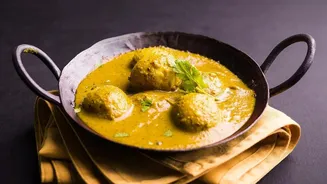
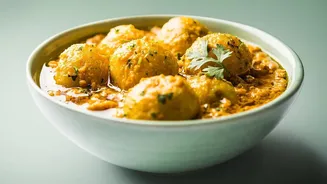
The fundamental difference lies in the composition of the kofta, or dumpling. While the word 'kofta' is Persian for pounded meat, Indian cuisine has famously embraced vegetarian versions. Many common koftas are made from vegetables. Lauki Kofta, for example,
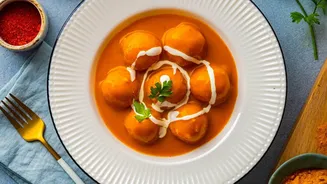
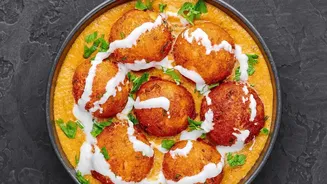
uses grated bottle gourd (lauki) mixed with gram flour (besan) as a binder, creating a savoury, slightly dense, and earthy dumpling often found in homestyle cooking. Other variations use cabbage, banana, or other vegetables. Malai Kofta, by contrast, is defined by its luxurious softness. The koftas are typically made from a rich mixture of mashed potatoes and grated paneer (Indian cottage cheese). This combination results in a dumpling that is incredibly tender and light, designed to melt in your mouth.
The Surprise Inside
Beyond the primary ingredients, Malai Kofta often contains a delightful surprise at its center. It is common for the potato and paneer mixture to be stuffed with finely chopped nuts, like cashews, and sweet raisins before being shaped into balls and fried. This adds a subtle crunch and a touch of sweetness that contrasts beautifully with the savoury gravy. While other koftas can be stuffed, this nutty, sweet filling is a signature characteristic of the 'Malai' style. A dramatic counterpoint is the Nargisi Kofta, a regal dish with Mughlai origins, where a whole hard-boiled egg is encased in a layer of spiced minced meat (usually lamb or chicken), fried, and then served in a rich gravy. When sliced, it resembles the 'Nargis' or Narcissus flower, showcasing a completely different approach to a filled kofta.
The All-Important Gravy
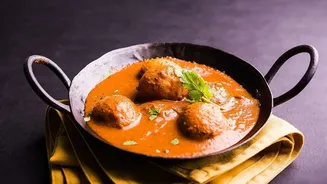
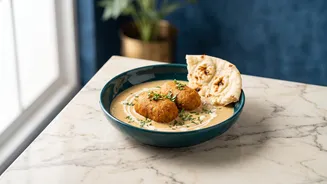
The name 'Malai Kofta' literally translates to 'cream meatballs', and the gravy is where the 'malai' (cream) truly shines. The sauce is famously rich, smooth, and creamy, often with a pale orange or whitish hue. Its base is typically made from onions, tomatoes, and a generous amount of ground cashews, which imparts thickness and a subtle sweetness. The dish is finished with a healthy dose of cream, giving it a velvety texture and a mild, luxurious flavour profile. This is a stark contrast to other kofta curries. The gravy for Lauki Kofta is often a simpler, tangier tomato-onion base, seasoned with everyday spices and without the heavy use of nuts and cream, making it a lighter dish for regular meals. Meat-based kofta curries, on the other hand, often feature robust, spicier gravies that can stand up to the strong flavour of mutton or chicken, sometimes using yogurt as a base.
The Occasion and Flavor Profile
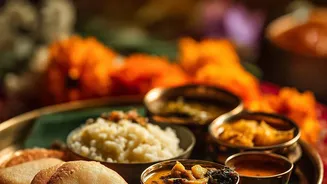
Ultimately, the differences culminate in the overall experience and the occasion for which the dish is served. Malai Kofta is considered a celebratory dish. Its richness, mildness, and indulgent ingredients make it a staple at weddings, parties, and special restaurant dinners. It's a dish designed to feel special, with a flavour profile that is more aromatic and creamy than overtly spicy. Other kofta dishes serve different purposes. Lauki Kofta is a beloved comfort food, a clever and delicious way to use a common vegetable in everyday Indian households. Nargisi Kofta, with its impressive presentation, is also a festive showstopper, but its flavour is meaty and deeply spiced. Mutton koftas are a hearty, warming meal, perfect for a satisfying lunch or dinner. Each has its place, but Malai Kofta's identity is firmly rooted in luxurious indulgence.