








Know Before You Go: Check The Conditions
The first rule of a monsoon commute is to never leave home blind. Before you even step out, take a few minutes to check the latest conditions. Follow the official social media accounts of the Mumbai Police and the Brihanmumbai Municipal Corporation (BMC)
for real-time traffic diversions and waterlogging updates. For train commuters, apps like m-Indicator and Yatri are indispensable, providing live tracking, delay information, and platform details. The BMC's own Disaster Management app can also provide specific alerts for your area, including the status of BEST buses, metro, and monorail services. Checking these sources can help you decide whether to delay your travel, take an alternative route, or work from home if possible.
Choose Your Transport And Route Wisely
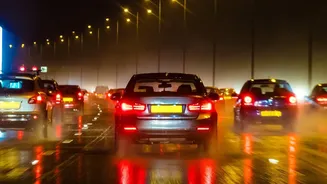
During heavy downpours, your usual route may not be your best option. Familiarise yourself with known waterlogging hotspots, which often include low-lying areas like Hindmata, Sion, Kurla, and the Andheri and Milan subways. Satellite data confirms that these areas are repeatedly affected year after year. If you rely on local trains, be prepared for delays or cancellations, especially if water levels rise above the tracks. While buses may be a viable alternative, they are also subject to traffic jams caused by flooded streets. Ride-hailing services like Ola and Uber will likely have surge pricing in effect. Sometimes, a combination of transport modes, like taking a bus or auto to the nearest functional metro station, can save you significant time and trouble.
Assemble Your Monsoon Commute Kit
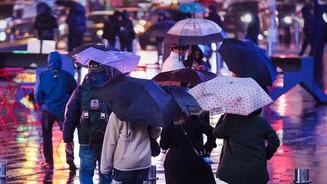
What you carry with you can make the difference between manageable discomfort and a genuine ordeal. A sturdy, wind-resistant umbrella is a start, but a good quality raincoat or poncho offers better protection, especially in crowded trains where an umbrella is impractical. Waterproof footwear with good grip is non-negotiable to avoid slips on wet platforms and staircases. Pack a waterproof bag or use a rain cover for your backpack to protect electronics and documents. Inside, keep essentials in zip-lock pouches. A fully charged power bank is a lifesaver when delays extend your travel time. Finally, an extra pair of dry socks and a small towel can do wonders for your comfort upon reaching your destination.
Prioritise Safety Above All Else
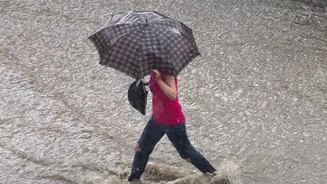
The most important goal is to reach your destination safely. Rushing for a departing train on a slippery platform can lead to dangerous falls; it's always better to wait for the next one. One of the biggest unseen dangers is floodwater, which can conceal open manholes, sharp debris, and even damaged electrical wires. If you cannot see the ground beneath the water, do not wade through it. It’s simply not worth the risk. During the commute, be aware of your surroundings and be considerate of fellow passengers. A little collective patience and help can make the journey safer for everyone.
When You're Stranded: What To Do
Despite the best preparation, you might find yourself stranded. If your train or bus stops for an extended period, the first step is to stay calm and inform your family or workplace of your situation. Keep an eye on official updates to understand the cause of the delay. If you have to disembark, try to stay in a safe, well-lit, and dry area. It's wise to have emergency helpline numbers saved on your phone. The BMC's city-wide disaster helpline is 1916, and there are also ward-specific numbers for localised issues. Having some dry snacks and a bottle of water in your bag can also be a huge help if you're stuck for a long time.