








The Constant Coastal Threat
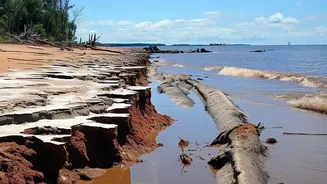
India's eastern coast, stretching along the Bay of Bengal, is one of the world's most cyclone-prone regions. States like Odisha, West Bengal, Andhra Pradesh, and Tamil Nadu face a recurring nightmare of powerful storms, tidal surges, and relentless coastal
erosion. These events not only threaten millions of lives but also cause immense economic damage, washing away homes, turning fertile agricultural land saline, and devastating local livelihoods tied to the sea. The 1999 Odisha Super Cyclone was a tragic reminder of this vulnerability, and with climate change intensifying weather patterns, the frequency and power of these disasters are only increasing. This constant threat necessitates a robust, sustainable defence mechanism that can stand strong where concrete walls often falter.
Nature’s First Line of Defence
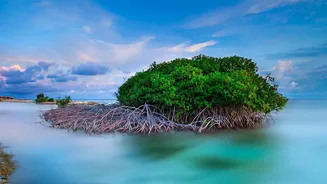
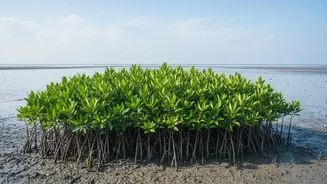
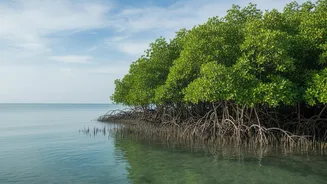
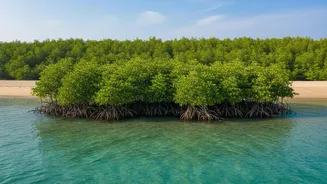
Enter the humble mangrove tree. These unique, salt-tolerant forests are nature's own coastal engineers. A 'mangrove bio-shield' refers to a dense belt of mangrove trees intentionally planted or restored along the coastline to act as a natural barrier. Their intricate and powerful root systems act like a net, trapping sediment and stabilising the shoreline against erosion. When a cyclone makes landfall, these forests absorb a significant portion of the storm's energy, reducing wave height and slowing wind speeds, thereby protecting the communities and infrastructure behind them. Studies have repeatedly shown that villages sheltered by healthy mangrove forests suffer significantly less damage during major storms compared to those that are exposed.
A National Mission Takes Root
Recognising this immense potential, India has launched concerted efforts to bolster its coastal defences with green infrastructure. A key national programme is the Mangrove Initiative for Shoreline Habitats & Tangible Incomes (MISHTI), launched in 2023. This five-year initiative aims to facilitate mangrove plantation along India’s coastline, including its vast eastern stretch. The MISHTI scheme converges with existing programmes like MGNREGS and the CAMPA Fund, creating a powerful framework that not only plants trees but also provides employment to local communities, making them direct stakeholders in the conservation effort. States like Odisha and Andhra Pradesh have been particularly active, implementing large-scale plantation drives to restore degraded mangrove areas.
More Than Just a Green Wall
The benefits of mangrove afforestation extend far beyond storm protection. These ecosystems are biodiversity hotspots, acting as critical nursery grounds for countless species of fish, crabs, and shrimp. Their revival directly supports the livelihoods of coastal fishing communities. Furthermore, mangroves are champions of carbon sequestration, capturing and storing up to four or five times more carbon per hectare than terrestrial forests, making them a crucial tool in India's fight against climate change. These projects also generate tangible incomes through the promotion of sustainable eco-tourism, honey collection, and other forest-based resources, creating a circular economy where ecological health and human prosperity are intertwined.
The People Behind the Plantation
The success of these coastal afforestation projects hinges on community participation. Across the eastern coast, from the Sundarbans in West Bengal to the deltas of Odisha and Andhra Pradesh, local villagers, especially women, are at the forefront of the movement. NGOs and government agencies are training community members in nursery development, sapling plantation, and long-term monitoring. This community-led approach ensures a higher survival rate for the saplings and fosters a deep sense of ownership and stewardship. By empowering local people as the guardians of their re-greened coastlines, these initiatives are building a resilient future from the ground up, ensuring the mangrove bio-shields are protected for generations to come.