


The Great South American Rivalry
For decades, the question of football loyalty in India has been a two-horse race between South American giants: Brazil and Argentina. This isn't just a casual preference; it's a deep-seated cultural phenomenon, particularly vibrant in states like Kerala,
West Bengal, and Goa. Long before the era of widespread internet and satellite television, tales of these two nations' footballing prowess travelled across oceans. Their rivalry becomes India's own every four years, with streets adorned in the blue and white of Argentina or the yellow and green of Brazil. This support is generational, passed down from parents who grew up idolising legends from a distant continent.
Argentina: The Land of Gods
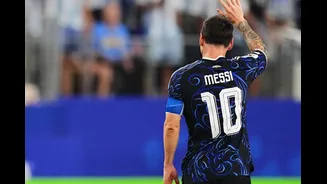
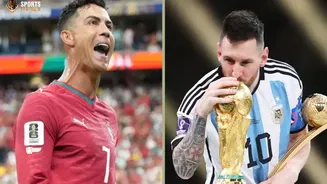
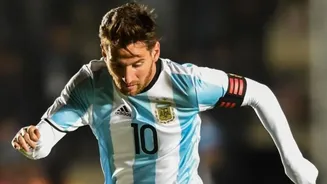
Argentina’s claim to India’s heart is arguably the most fervent. The foundation of this love affair was built by one man: Diego Maradona. His mesmerising performance in the 1986 World Cup, broadcast on Doordarshan, created a cult of personality that endures to this day. In places like Kolkata and across Kerala, Maradona is treated as a footballing deity. This historical devotion found a modern messiah in Lionel Messi. For over a decade, Indian fans have followed his journey, sharing in his heartbreaks and, finally, his ultimate triumph at the 2022 World Cup in Qatar. Data from Google Trends during the 2022 tournament showed search interest for Argentina consistently peaking across India during their matches, often surpassing all other teams. The victory was celebrated in India as if it were their own, with spontaneous parades and festivities erupting nationwide.
Brazil: The Art of Samba Football
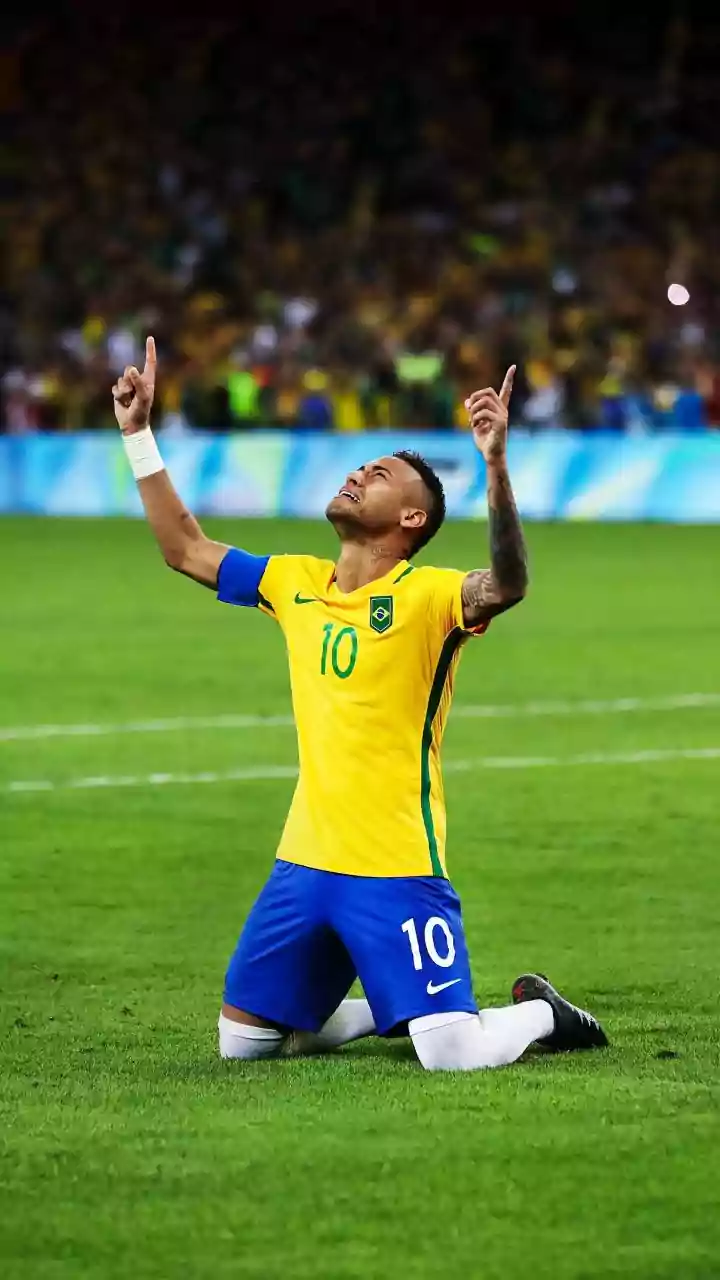
On the other side of the divide is Brazil, the nation synonymous with ‘Joga Bonito’ (The Beautiful Game). Brazil’s legacy is built on a history of flair, creativity, and unparalleled success, with five World Cup titles to their name. The legend began with Pelé, considered by many to be the greatest footballer of all time. His visit to Kolkata with the New York Cosmos in 1977 is a storied event that cemented the city's love for Brazilian football. This passion was reignited by subsequent generations of superstars like Ronaldo Nazário, Ronaldinho, and Neymar. For millions of Indian fans, supporting Brazil is about more than just winning; it's about celebrating a joyful, attacking style of football that captures the imagination. Their fanbase is geographically widespread, representing a pure love for the sport's most successful and stylish practitioners.
The Cristiano Ronaldo Effect
In the 21st century, a new force emerged to challenge the South American duopoly: Portugal. This surge in popularity can be attributed almost entirely to one individual: Cristiano Ronaldo. As one of the two dominant players of his generation alongside Messi, Ronaldo's immense global following translated directly into support for his national team. Fans of his club exploits with Manchester United, Real Madrid, and Juventus naturally gravitated towards supporting Portugal during international tournaments. This phenomenon highlights a modern shift in fandom, where loyalty to a single player can often eclipse traditional team allegiance. Social media engagement data consistently shows Ronaldo as one of the most-discussed athletes in India, and during the World Cup, searches for Portugal spiked in correlation with his presence on the pitch.
The European Contenders
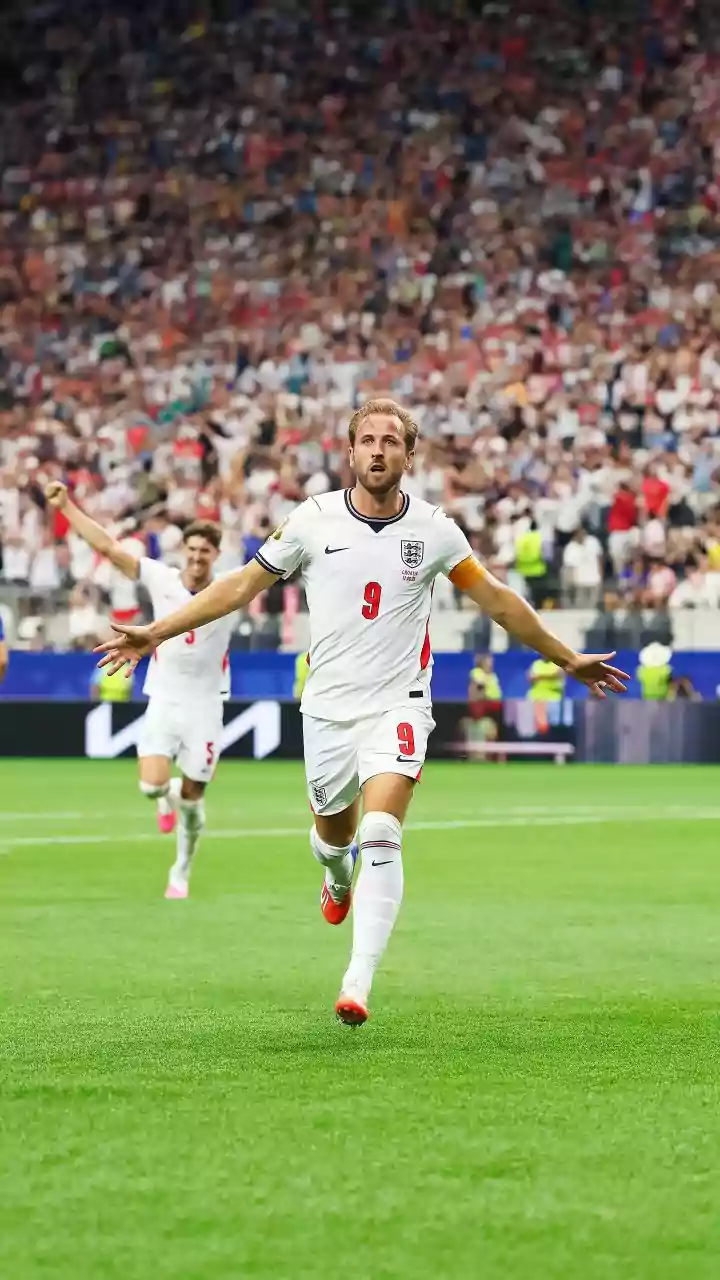
While the big three dominate the conversation, several European teams also command significant followings. Germany has a loyal base, admired for its efficiency, team-first mentality, and consistent success. Their 2014 World Cup win, particularly the 7-1 demolition of Brazil, won them many admirers. France, with its exciting, multicultural squad featuring stars like Kylian Mbappé, has also gained popularity, especially among younger fans. Support for England is often tied to the immense popularity of the English Premier League, the most-watched foreign football league in India. Fans of clubs like Manchester United, Liverpool, and Arsenal often find themselves having a soft spot for England's national team, though often with measured expectations.