





Why Monsoon Changes Your Skin
The primary culprit during the monsoon is high humidity. When the air is saturated with moisture, your sweat doesn't evaporate as easily. This signals your skin's sebaceous glands to produce even more oil, or sebum. This excess oil, combined with sweat and environmental
pollutants, creates a perfect storm for clogged pores. Furthermore, the warm, damp conditions are an ideal breeding ground for bacteria and fungi, which is why issues like acne, blackheads, and fungal infections become much more common during these months. Your skin's natural protective barrier can also weaken, making it more sensitive and prone to irritation.
Cleanse Thoroughly, But Gently
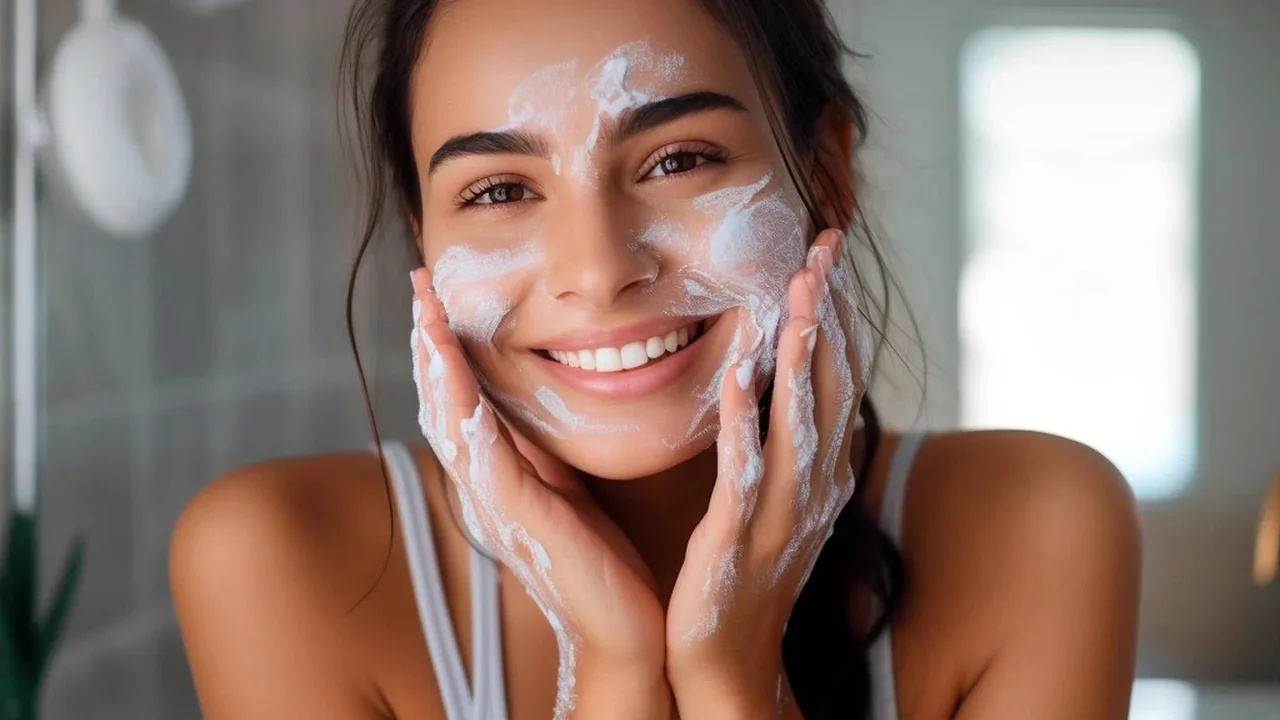
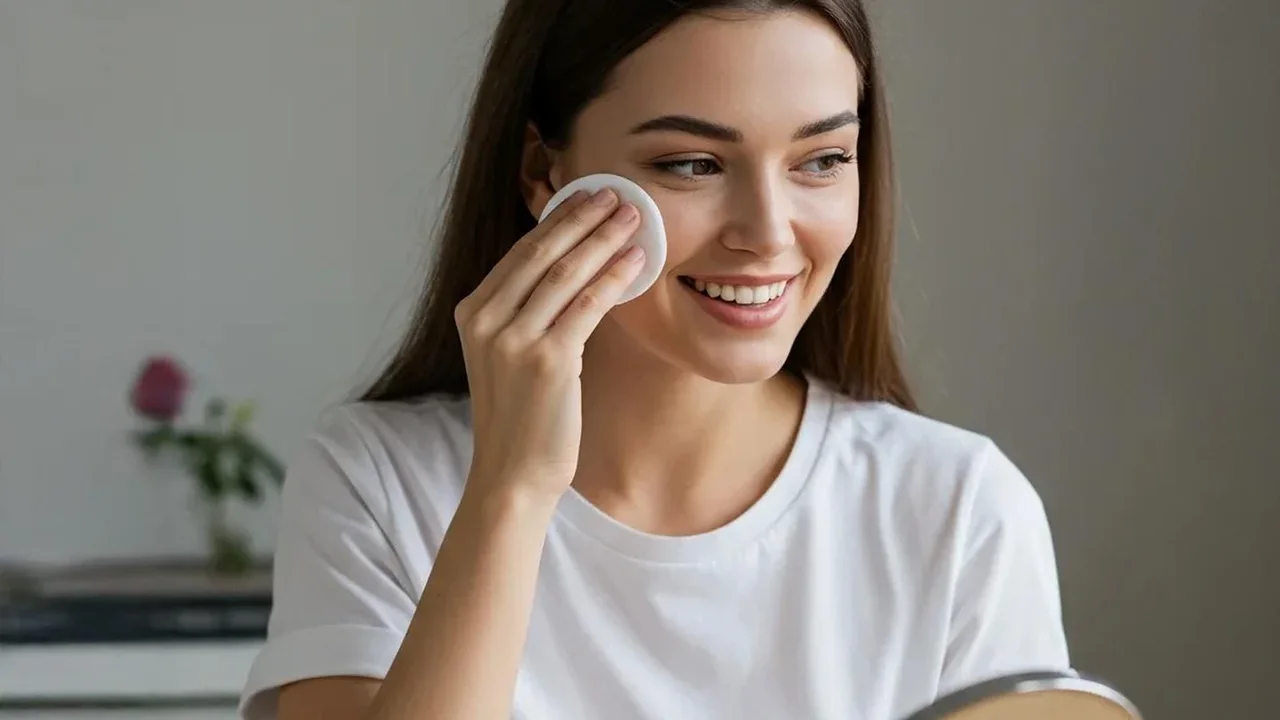
While it may be tempting to wash your face multiple times a day to combat the constant feeling of stickiness, over-washing can backfire. Stripping your skin of its natural oils can trigger a rebound effect, causing it to produce even more sebum. The solution is to cleanse thoroughly just twice a day. Opt for a mild, pH-balanced, or gel-based cleanser that effectively removes dirt and grime without being harsh. For those with particularly oily or acne-prone skin, a cleanser containing salicylic acid can be beneficial for keeping pores clear. After getting caught in the rain, make sure to wash the rainwater off your skin as soon as possible, as it can carry pollutants.
Switch to a Lightweight Moisturiser
Many people believe that oily skin doesn't need a moisturiser in humid weather, but this is a common misconception. Skipping this step can dehydrate your skin, prompting it to produce more oil to compensate. The key is to swap your heavy, cream-based products for something more appropriate for the climate. Look for lightweight, oil-free, and non-comedogenic formulas that hydrate without clogging pores. Gel-based or water-based moisturisers are excellent choices. Ingredients like hyaluronic acid provide intense hydration without any greasy feeling, while niacinamide can help regulate oil production and improve skin texture.
Don't Skip the Sunscreen
Just because the sky is overcast doesn't mean your skin is safe from the sun. Harmful UV rays can easily penetrate cloud cover and cause significant damage, including tanning and premature ageing. Sunscreen remains a non-negotiable step in your daily routine. For the monsoon, choose a broad-spectrum sunscreen with an SPF of 30 or higher. To avoid a greasy finish, look for lightweight, gel-based, or matte-finish formulas that are water-resistant. Remember to apply it at least 15-20 minutes before stepping outside and reapply every few hours, especially if you've been sweating.
Exfoliate to Decongest Pores
With the increased buildup of dead skin cells and oil, exfoliation becomes crucial to prevent clogged pores and dullness. However, harsh physical scrubs can cause micro-tears and irritate the skin, especially when its barrier is already compromised by the humidity. Instead, consider incorporating a gentle chemical exfoliant into your routine two to three times a week. Products with Alpha Hydroxy Acids (AHAs) or Beta Hydroxy Acids (BHAs) like salicylic acid work to dissolve the bonds holding dead skin cells to the surface, revealing brighter skin and keeping breakouts at bay. This helps ensure your other skincare products can penetrate more effectively.
Be Mindful of Fungal Infections
The monsoon is peak season for fungal infections like ringworm and athlete's foot, which thrive in warm, damp environments. Prevention is key. Always dry your skin thoroughly after showering, especially in skin folds like underarms and between the toes. Wear loose, breathable clothing made from natural fabrics like cotton to allow for better air circulation. Avoid staying in wet clothes or shoes for extended periods. If you are prone to such infections, using an antifungal powder on susceptible areas can help keep them dry and protected. If you notice any persistent red, itchy, or scaly patches, it is best to consult a dermatologist.
Adopt a Minimalist Makeup Approach
Heavy, layered makeup can feel suffocating in high humidity and is more likely to clog pores and lead to breakouts. The monsoon season is the perfect time to embrace a more minimal approach. If you do wear makeup, opt for lightweight, water-based, or mineral-based products that let your skin breathe. Avoid thick, oil-based foundations and concealers. No matter what, it's absolutely essential to remove all traces of makeup at the end of the day before you go to sleep. Use a gentle makeup remover or try double cleansing—using an oil-based cleanser first, followed by your regular face wash—to ensure your skin is completely clean.