





The Unseen Workforce Below Ground
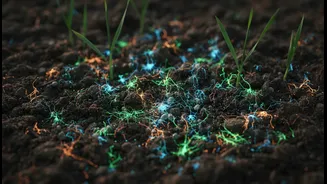
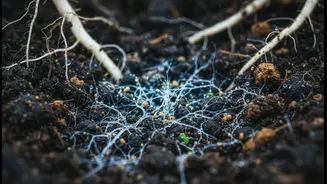
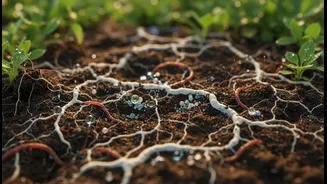
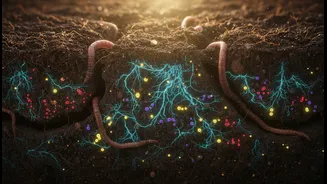
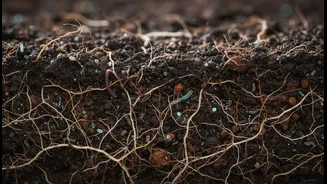
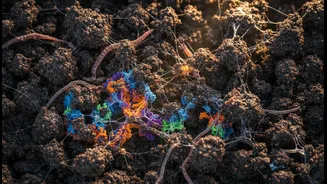
In a single teaspoon of healthy soil, there can be billions of microscopic organisms. This teeming, invisible ecosystem, known as the soil microbiome, is dominated by bacteria and fungi. For millennia, these microbes have formed a powerful, symbiotic
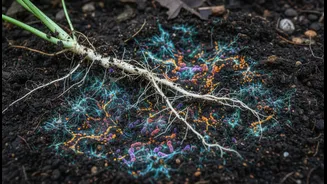
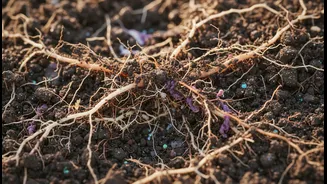
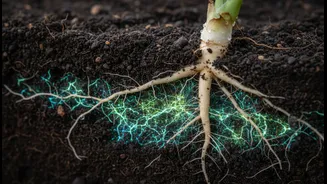
relationship with plants. The plant roots release carbon in the form of sugars and other compounds, providing food for the microbes. In return, these tiny organisms act as microscopic farmhands. They decompose organic matter, cycle vital nutrients like nitrogen and phosphorus, and make them available for plants to absorb. This natural partnership also improves soil structure, helps it retain water, and can even protect plants from diseases by outcompeting harmful pathogens.
A Forgotten Alliance
For centuries, traditional farming practices implicitly nurtured this microbial life. Crop rotation, composting, and the use of manure all helped maintain a fertile, living soil. However, the Green Revolution of the mid-20th century changed everything. In a bid to fight world hunger, the focus shifted to high-yield crop varieties, intensive irrigation, and, crucially, the widespread application of synthetic chemical fertilizers and pesticides. These chemical inputs delivered readily available nutrients and boosted yields dramatically. But this convenience came at a cost. Over time, the heavy use of chemical fertilizers disrupted the delicate soil ecosystem, weakening the natural partnership between plants and microbes and leading to soil degradation. The tiny organisms that had once been the engine of soil fertility were largely sidelined.
The Science of a Microbial Comeback
Today, science is rediscovering the immense power of this forgotten workforce. Researchers are identifying specific strains of microbes, known as plant growth-promoting microbes (PGPMs), and harnessing them to create products called biofertilizers or microbial inoculants. These products contain living microorganisms that can be applied to seeds or soil to restore and enhance the natural processes. Some microbes, like Rhizobium, are experts at 'fixing' nitrogen from the atmosphere and converting it into a form that plants can use. Others, like certain bacteria and fungi, are skilled at solubilizing phosphorus that is locked up in the soil, making it accessible to plant roots. This scientific approach is essentially giving nature a helping hand, aiming to revive the soil's own fertility engine.
From Lab to Land in India
The potential for this technology in India is enormous. With a growing population, a vast agricultural sector, and an increasing demand for organic food, biofertilizers offer a promising path toward sustainable intensification. The Indian biofertilizer market is already valued in the hundreds of millions of dollars and is projected to grow significantly. Government initiatives like the Soil Health Card scheme and support for organic farming are creating a favourable environment for adoption. Companies are developing biofertilizers with indigenous microbial strains adapted to local Indian soil and climate conditions. For many farmers, especially smallholders, biofertilizers represent a cost-effective and eco-friendly way to improve soil health and crop yields, reducing dependence on expensive chemical inputs.
Challenges on the Horizon
Despite the promise, the path to widespread adoption is not without its hurdles. One of the biggest challenges is consistency. A microbial inoculant that works wonders in one field may show limited results in another due to differences in soil type, climate, and farming practices. Ensuring the quality and viability of these living organisms from production to application on the farm is another significant challenge. Educating farmers about the benefits and proper use of biofertilizers is crucial for their successful integration into modern agriculture. Researchers are now working on creating more robust, multi-functional microbial cocktails and better formulation technologies to improve reliability and performance under diverse field conditions.