






Why Muscles Cramp in the Heat
That sudden, seizing pain of a muscle cramp can stop you in your tracks. For years, dehydration was blamed as the primary culprit. While fluid loss is a major factor, the story is more complex. So-called 'heat cramps' are often linked to a combination
of overexertion, fluid loss, and an imbalance of key minerals called electrolytes. When you sweat heavily during a workout, you don't just lose water; you lose essential minerals like sodium, potassium, and magnesium. These electrolytes are crucial for proper nerve signaling and muscle function, including the process of contraction and relaxation. When their levels drop, communication between nerves and muscles can get disrupted, leading to those painful, involuntary contractions we know as cramps.
Coconut Water's Electrolyte Power
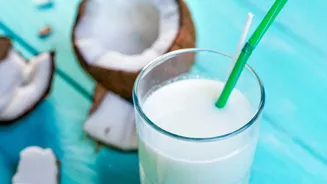
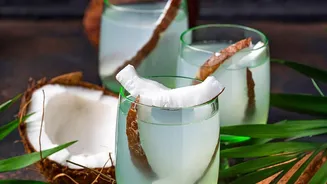
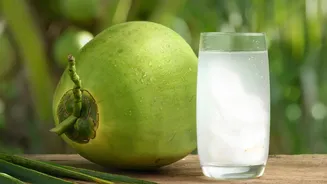
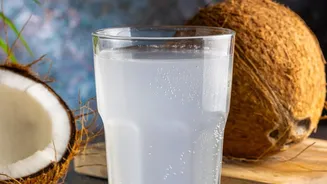
This is where coconut water enters the picture. Often called 'nature's sports drink', it is naturally rich in electrolytes. Its main claim to fame is its high potassium content. A single cup can contain 400-600 mg of potassium, which is more than the average banana. Potassium plays a vital role in regulating fluid balance within your cells and is essential for muscle contractions. Coconut water also provides smaller amounts of other important electrolytes like magnesium, calcium, and phosphorus. This mineral profile makes it a compelling natural alternative to many commercial sports drinks, which can be high in sugar and artificial ingredients. For general hydration or after a light workout, coconut water can be an excellent choice to replenish potassium stores.
The Missing Piece: Why Add Salt?
While coconut water is a potassium powerhouse, it is naturally low in sodium. This is significant because sodium is the primary electrolyte you lose through sweat. During a long or intense workout in the heat, you can lose a substantial amount of sodium. Relying only on coconut water might not be enough to restore balance, potentially leaving you at risk for cramps or other symptoms of electrolyte depletion like dizziness and weakness. Adding a pinch of salt (sodium chloride) to your coconut water helps create a more complete electrolyte solution. This combination provides both the potassium from the coconut water and the sodium your body has lost through sweat, creating a balanced drink that more closely mimics your body's natural needs during strenuous exercise.
The Verdict: A Smart Hydration Hack
So, is salt-infused coconut water a magic potion to end all muscle cramps? Not exactly, but it is a very effective and scientifically sound hydration strategy. It’s not a cure-all because muscle fatigue also plays a major role in cramping, but addressing electrolyte imbalance is a critical preventative step. By combining the potassium and magnesium in coconut water with the sodium from salt, you are tackling the main electrolyte losses from sweat head-on. This homemade solution hydrates you while helping to maintain the mineral balance needed for your muscles to function correctly. Compared to plain water, it is superior for rehydration during intense exercise. It’s a simple, natural, and effective way to support your body during those final, sweaty workouts of the summer season.