



Monsoon Magic: Bhutta (Corn on the Cob)
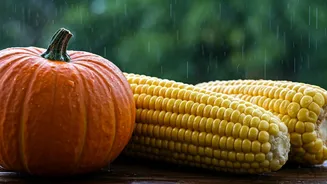
There is perhaps no single food item more evocative of the Indian monsoon than a bhutta. As the skies turn grey and the first drops of rain fall, the smoky aroma of corn being roasted over hot coals by a street vendor becomes an irresistible call. While
sweet corn is available year-round, the desi corn that peaks during the monsoon is a different beast altogether. It’s chewier, starchier, and has a more robust, earthy flavour. Why now? This is when it’s at its freshest and most flavourful. The moisture in the air seems to make the kernels plumper. Nutritionally, it’s a good source of fibre and antioxidants. When buying, look for cobs with bright green, tight husks and plump kernels. The classic way to enjoy it is roasted and slathered with a mix of salt, red chilli powder, and a generous squeeze of lime. At home, you can boil it and make a simple chaat with chopped onions, tomatoes, and spices.
Winter Warmth: Gajar (Red Carrots)
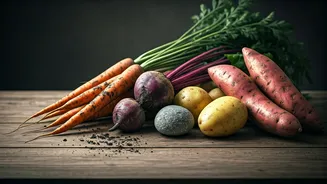
Come winter in North India, and the vegetable markets are painted a glorious, deep red. These are not your everyday orange carrots; these are 'Dilli Gajar,' the seasonal red carrots that are sweeter, juicier, and purpose-built by nature for one thing: Gajar ka Halwa. Their availability is a short but celebrated window, typically from December to early February. Their distinct sweetness and vibrant colour come from a higher concentration of anthocyanins, a type of antioxidant. This makes them not only delicious but also incredibly healthy. When picking red carrots, choose ones that are firm, smooth, and have a rich, uniform colour. Avoid any that are cracked or have started to go limp. While halwa is their destiny, these carrots are also fantastic when juiced (often mixed with beetroot and amla) or simply eaten raw for a crunchy, sweet snack that tastes like pure winter sunshine.
The Tangy Powerhouse: Amla (Indian Gooseberry)
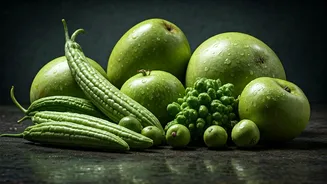
If there were a hall of fame for superfoods, amla would have its own dedicated wing. This small, translucent green fruit, which appears in late autumn and early winter, is revered in Ayurveda and for good reason. It is one of the most potent natural sources of Vitamin C, containing many times more than an orange. Its taste is a journey—intensely sour and astringent at first, followed by a surprising sweetness that lingers on the palate. Eating amla during its season is a fantastic way to boost your immunity ahead of the winter sniffles. Fresh amla can be grated into salads, juiced (a little goes a long way!), or pickled into the classic amla achaar or a sweet murabba. When choosing, look for firm, smooth fruits without blemishes. Don't be put off by its powerful taste; a small amount daily is all you need to reap its incredible benefits.
Summer's Fleeting Gem: Jamun (Black Plum)
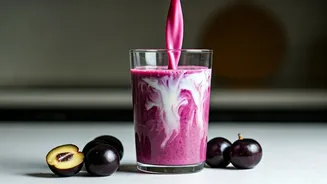
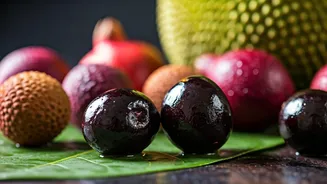
The arrival of jamun in the market signals that peak summer is here. This deep purple, almost black fruit has an incredibly short season, making it a highly anticipated treat. Its unique flavour profile—a mix of sweet, tart, and astringent—leaves a delightful purple stain on your tongue as a badge of honour for having indulged. The fruit has been a part of Indian summers for generations, often enjoyed with a pinch of black salt to balance its flavours. Beyond its deliciousness, jamun is prized for its health benefits, particularly its low glycemic index, which makes it a good fruit choice for diabetics. It's also packed with iron and Vitamin C. Look for plump, dark, and firm fruits. Avoid any that look shrivelled or have broken skin. While best eaten fresh, you can also deseed them and blend them into a smoothie, make a cooling 'khatta-meetha' sharbat, or even try your hand at a jamun-infused panna cotta.
The Creamy Delight: Sitaphal (Custard Apple)
Known as sitaphal in the North and West, and aathachakka in the South, the custard apple is a lumpy, green fruit that hides a treasure within. Its season, typically following the monsoon from August to October, brings one of the most unique textures in the fruit kingdom. The creamy, white pulp is incredibly sweet and fragrant, dotted with large black seeds. It's like nature’s own dessert, requiring no additions. To enjoy it, you simply break the fruit open and scoop out the pulp with a spoon, carefully eating around the seeds. It’s a good source of vitamins C and B6, potassium, and magnesium. The tricky part is knowing when it’s ripe. A ripe custard apple will feel soft to a gentle squeeze, and the skin between its segments will start to separate slightly. It’s a delicate fruit that doesn’t travel well, making it a true local, seasonal delicacy to be cherished when you find it.