



An Ancient Practice, A Modern Buzz
Walk down any health food aisle, and you'll see them: colourful bottles of kombucha, jars of kimchi, and tubs of kefir. They are marketed as elixirs for gut health, promising a host of benefits. While this might seem like the latest wellness craze imported
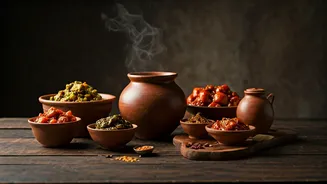
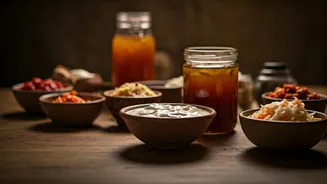
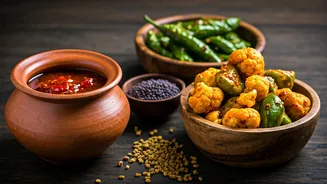
from the West, the truth is that fermentation has been a cornerstone of Indian culinary tradition for millennia. Before there were refrigerators, fermentation was a primary method of preserving food. But it was also recognised for its ability to enhance flavour and, as we’re now rediscovering, its incredible health properties. The familiar tang of homemade dahi, the sourness of a well-fermented dosa batter, and the complex flavour of mango achar are all products of this powerful, natural process. The 'powerful return' isn't about invention; it's about re-appreciation.
What is Fermentation, Anyway?
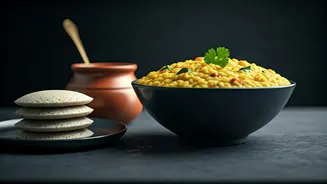
In simple terms, fermentation is a metabolic process where microorganisms like bacteria, yeast, or fungi convert carbohydrates—such as starches and sugars—into alcohol or acids. These microorganisms are the 'good guys'. They act as tiny chefs, pre-digesting food, which makes it easier for our bodies to absorb nutrients. During this transformation, they not only preserve the food but also create a wealth of beneficial compounds, including B-vitamins, enzymes, and, most famously, probiotics. This process is what gives foods like yogurt their distinctive tartness, sourdough bread its unique crumb and flavour, and our beloved idlis their soft, fluffy texture.
The Gut-Health Connection
The primary reason for the renewed excitement around fermented foods is their link to gut health. Our intestines are home to trillions of microorganisms, collectively known as the gut microbiome. A healthy, diverse microbiome is crucial for digestion, immune function, and even mental well-being. Modern lifestyles, high stress levels, and diets rich in processed foods can disrupt this delicate ecosystem. This is where probiotics come in. Probiotics are live, beneficial bacteria found in fermented foods. Consuming them can help replenish and diversify the good bacteria in your gut, potentially improving digestion, reducing inflammation, and strengthening your immune system. Foods like dahi (yogurt), lassi, and buttermilk are traditional Indian sources of powerful probiotics that have been consumed for centuries.
Beyond Dahi and Dosa
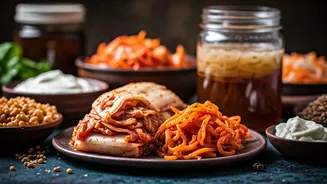
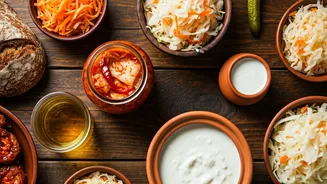
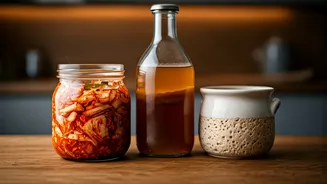
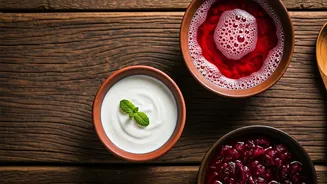
While dahi and dosa batter are our national treasures of fermentation, the world of fermented foods is vast and delicious. The current trend has brought global superstars to Indian tables. Kimchi, a spicy fermented cabbage from Korea, is gaining popularity for its fiery flavour and probiotic punch. Sauerkraut, its European cousin, offers a milder but equally beneficial alternative. Then there's kombucha, a fizzy, fermented tea, and kefir, a fermented milk drink with a consistency thinner than yogurt but often containing a wider variety of probiotic strains. Even traditional regional Indian ferments are seeing a revival. Kaanji, a pungent North Indian drink made from black carrots, and Gundruk, a fermented leafy green from the Northeast, are being rediscovered for their unique tastes and health benefits.
How to Join the Ferment
Incorporating more fermented foods into your diet is simple. You're likely already doing it. A bowl of dahi with your lunch, a glass of buttermilk on a hot day, or a plate of idli for breakfast are all excellent starts. To expand your horizons, try adding a spoonful of kimchi to your fried rice or a side of sauerkraut to a sandwich. When buying store-bought products like kombucha or yogurt, check the label for 'live and active cultures' to ensure you're getting the probiotic benefits. Avoid products that have been pasteurised after fermentation, as the heat kills the beneficial bacteria. The best part is that you don't need a lot; consistency is more important than quantity. A small daily serving can contribute positively to your overall gut health.