




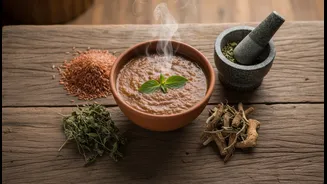


Masala Chai
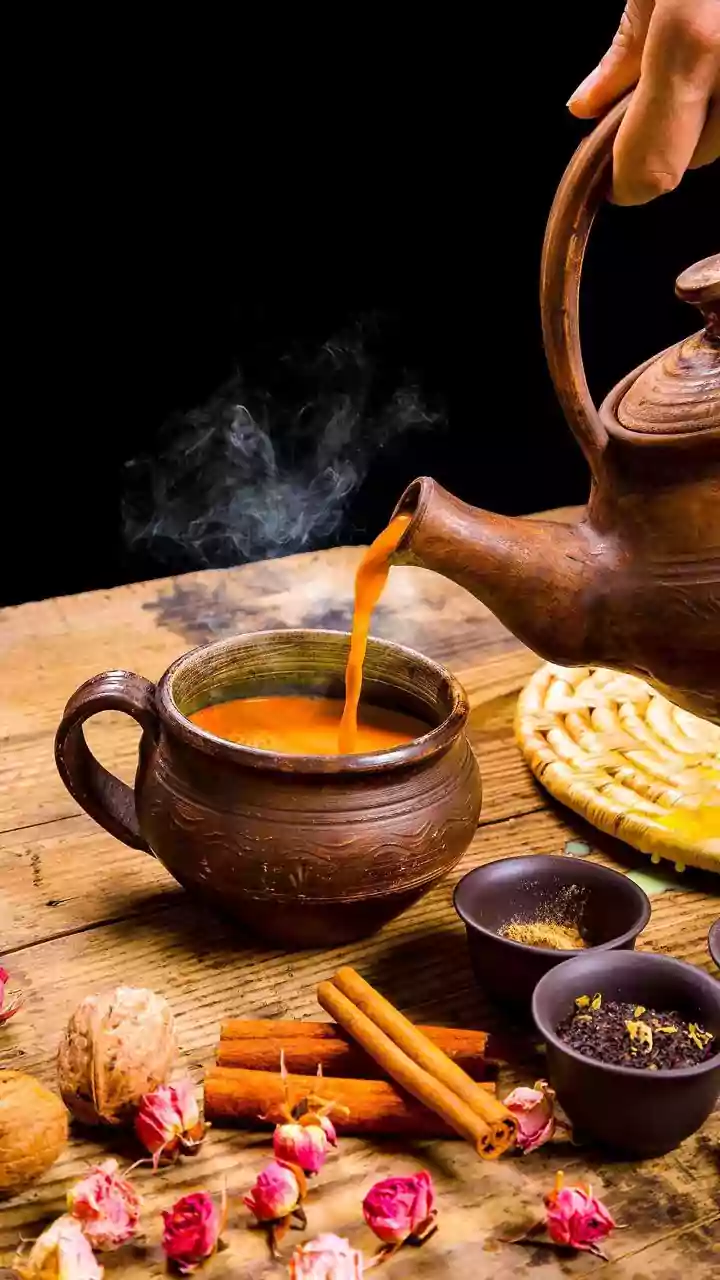
Nothing says monsoon quite like a steaming cup of masala chai. More than just a comforting ritual, this spiced tea is a wellness ally. Spices like ginger, cloves, and black pepper are known for their immunity-boosting properties, helping to ward off common
colds and infections. The warmth of the tea and its spices also aids digestion, which can become sluggish during the humid months. Ginger, in particular, contains gingerol, a compound that reduces inflammation and soothes the digestive system.
Bhutta (Roasted Corn on the Cob)
The sight and smell of a streetside vendor roasting corn over hot coals is a quintessential monsoon experience. Bhutta is not just a delicious and nostalgic snack; it's a healthier alternative to deep-fried treats. Corn is a good source of fibre, which supports gut health, a key concern during the rainy season. It's also packed with antioxidants and vitamins, including Vitamin C, which helps protect cells from damage and supports the immune system.
Moong Dal Khichdi
According to Ayurveda, our digestive fire (Agni) is weaker during the monsoon. Moong Dal Khichdi is the perfect meal for this time. It's a simple, one-pot dish of rice and lentils that is light, warm, and incredibly easy to digest. Moong dal is rich in protein and fibre, which helps regulate bowel movements and nourishes beneficial gut bacteria. Adding a dollop of ghee and spices like turmeric and cumin not only enhances the flavour but also adds anti-inflammatory and digestive benefits.
Pakoras
While it's wise to limit fried foods, the monsoon feels incomplete without indulging in a plate of hot pakoras. These crispy fritters, made with everything from onions and potatoes to paneer, are a beloved rainy-day snack across India. When enjoyed in moderation, they provide immense comfort. The key is to pair them with digestive aids like mint chutney and ginger tea. Making them at home allows you to control the quality of oil and ingredients, making for a more mindful indulgence.
Warm Vegetable Soups
A bowl of hot soup is both hydrating and nourishing, making it an ideal choice for a light monsoon dinner. Soups made with seasonal vegetables like pumpkin, carrots, and bottle gourd (lauki) are gentle on the stomach. Adding spices like black pepper, garlic, and ginger can help boost your immunity and fight infections. Garlic, for instance, contains allicin, a compound known for its antibacterial and antiviral properties. These soups keep you warm and provide essential nutrients without weighing you down.
Jamun (Indian Blackberry)
This seasonal fruit, with its deep purple hue, is a monsoon treasure. Jamun is loaded with iron, vitamin C, and antioxidants. Its properties are known to be beneficial for regulating blood sugar levels. Traditional wisdom values it for improving digestion and maintaining oral health. Its availability is limited to the rainy season, making it a special treat to be enjoyed fresh.
Turmeric Milk (Haldi Doodh)
An age-old remedy for a reason, turmeric milk or 'golden milk' is a must-have during the monsoons. Turmeric contains curcumin, a powerful compound with strong anti-inflammatory and antioxidant properties. Drinking a warm cup before bed can help prevent colds and coughs, soothe a sore throat, and promote better sleep. For better absorption of curcumin, it's recommended to add a pinch of black pepper.
Pears (Nashpati)
Pears are another seasonal fruit that becomes widely available during the monsoon. They are an excellent source of dietary fibre, which is crucial for maintaining a healthy digestive system. Pears are also rich in vitamins and antioxidants that help build resistance against common infections that are prevalent during this season. Their sweet and juicy nature makes them a refreshing and healthy snack.
Bitter Gourd (Karela)
Though its bitter taste may not appeal to everyone, karela is highly recommended for monsoon wellness. Its strong antiviral and antibacterial properties help cleanse the system and fight off infections that can enter the body through contaminated food and water. Packed with vitamins and antioxidants, it supports liver function and helps purify the blood. Ayurveda suggests that easily digestible vegetables like bitter gourd are ideal for the rainy season.
Ginger and Garlic
These two kitchen staples are particularly potent during the rainy season. Ginger is celebrated for its ability to soothe an upset stomach, stimulate digestion, and fight inflammation. Garlic is a powerhouse with natural antiviral and antibacterial properties that can help protect against a range of infections. Incorporating fresh ginger and garlic into your daily meals, whether in teas, soups, or curries, is a simple way to fortify your body's defenses against seasonal illnesses.