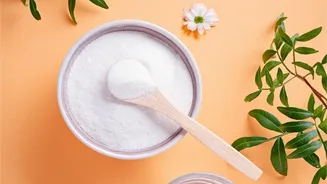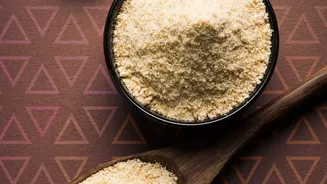


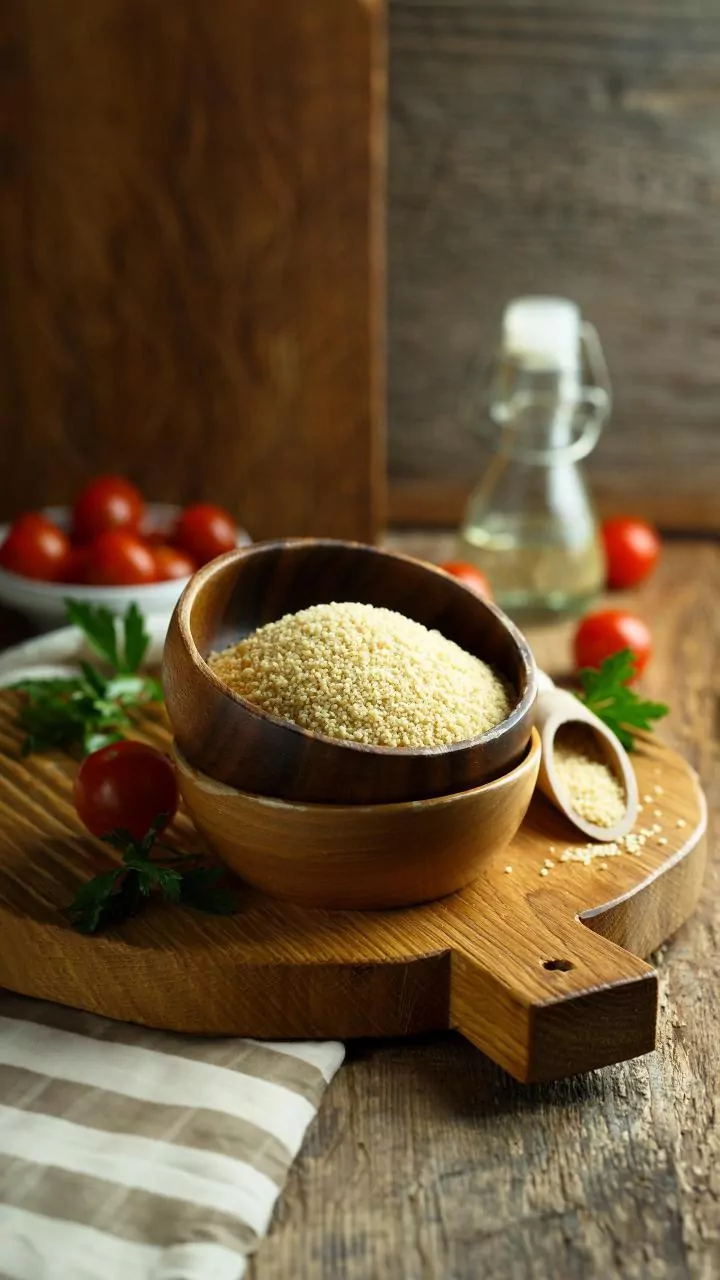
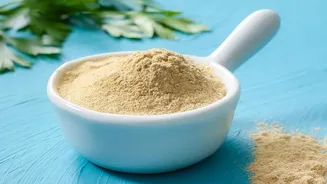
That tub of protein powder on your counter holds more potential than just your daily shake. It can be a versatile kitchen staple, secretly boosting the nutritional value of your favourite meals, from breakfast pancakes to savoury dinners.
The Golden Rules of Protein Cooking
Before you start
adding protein powder to every dish, it's important to understand a few key principles to avoid common pitfalls like dry, rubbery textures. First, you generally can't just swap flour for protein powder on a 1:1 basis. A good starting point is to replace no more than one-third of the flour in a recipe with protein powder. Protein powders are highly absorbent, so you'll need to increase the wet ingredients in your recipe. For every scoop of powder, consider adding extra milk, water, yoghurt, or mashed banana to maintain moisture. Also, be mindful of heat. High temperatures can sometimes cause protein to clump or become tough. Lowering your oven temperature by about 10-15°C and checking your bakes earlier can prevent them from drying out. Finally, mix your batter gently and only until just combined; overmixing can lead to a tough final product.
Breakfasts That Pack a Punch
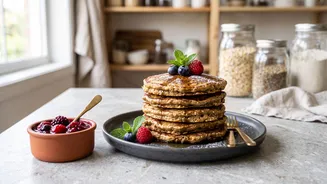
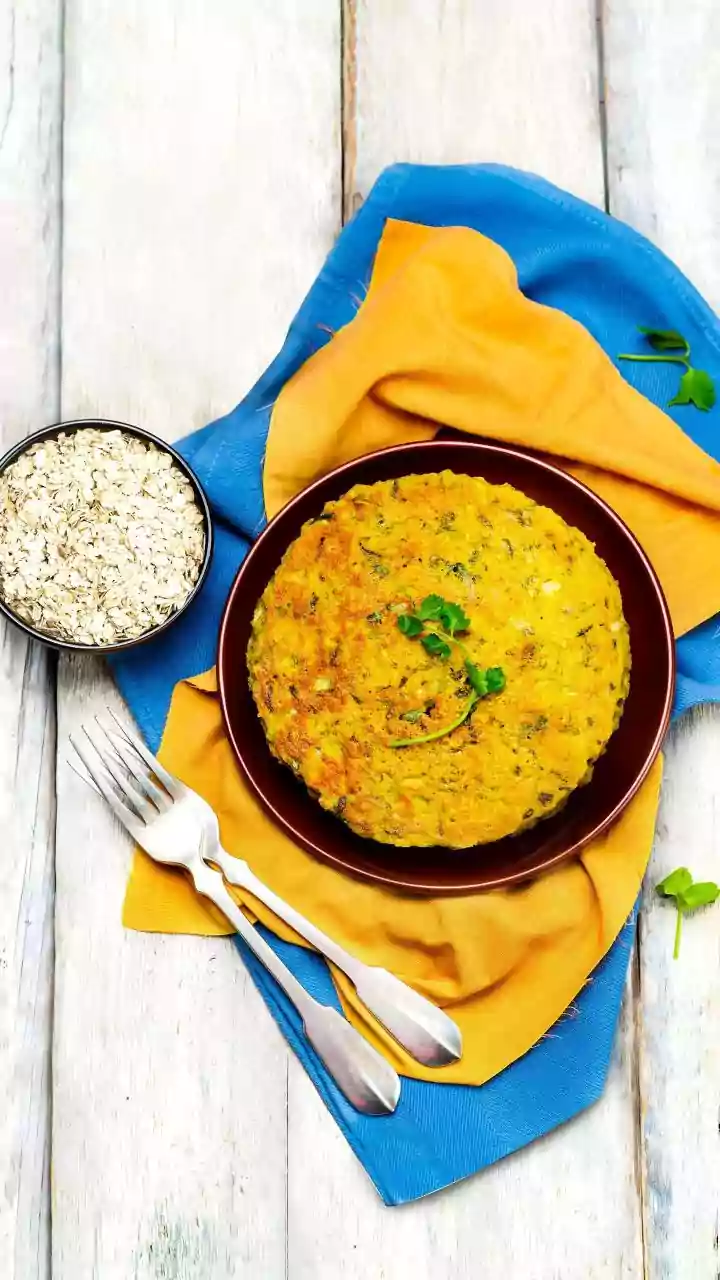
Mornings are a perfect opportunity to fortify your first meal of the day. While stirring powder into oatmeal is a classic, you can get more creative. For pancakes and waffles, substitute about a quarter to a third of the flour with your favourite protein powder. Adding a scoop to the batter can significantly increase the protein content, helping you stay full longer. Don't forget to add a little extra liquid to keep them fluffy. You can also mix unflavoured protein powder into scrambled eggs or omelettes. Just whisk it in thoroughly with the eggs before cooking. For a plant-based option, consider adding it to the batter for besan cheela or other savoury pancakes for a nutritious start to your day.
Surprising Savoury Applications
This is where protein powder truly shows its versatility. Unflavoured powders can be a game-changer for savoury dishes. Try whisking a scoop into soups, stews, or pasta sauces to thicken them and add a protein boost. It's best to add the powder after the dish has been removed from high heat to ensure it mixes in smoothly. You can also blend it into dips like hummus or even guacamole for a more satisfying snack. Some people have found success adding it to the dough for pizza bases or homemade bread. Another simple trick is to stir it into mashed potatoes or combine it with spices to create a protein-rich seasoning for popcorn or roasted nuts.
Better-For-You Baked Goods
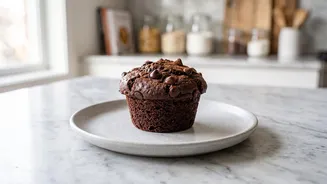
Baking with protein powder can be incredibly rewarding, turning indulgent treats into more balanced snacks. The key is managing moisture. Since protein powder can make bakes dry, using ingredients like mashed bananas, applesauce, Greek yoghurt, or pumpkin puree is crucial. Different powders also behave differently; casein tends to be more absorbent than whey, while plant-based powders can be even more so, often requiring more liquid to achieve the right consistency. When adapting recipes for muffins, cookies, or breads, remember the one third substitution rule and consider adding a little extra fat, like oil or butter, to ensure a tender result. A small amount of baking powder can also help lighten the texture.
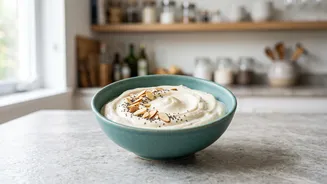
If you want to avoid the complexities of baking, no bake recipes are your best friend. Protein powder is a natural fit for energy balls and bars. You can easily mix it with oats, nut butter, a sticky sweetener like honey or maple syrup, and other addins like seeds or chocolate chips. Another popular option is a simple protein pudding, often made by combining protein powder with Greek yoghurt until it reaches a thick, creamy consistency. You can also make a healthier version of 'cookie dough' by mixing protein powder, a little milk, and some flavourings for a quick, high protein dessert that is ready in minutes.