




What Are the Perseids?
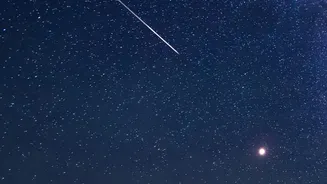
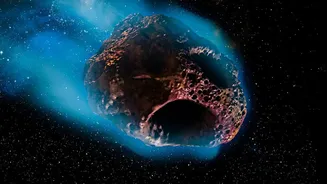
The Perseids are a dazzling meteor shower that visits our skies every year between July and August. These streaks of light, often called shooting stars, are not stars at all. They are actually tiny pieces of cosmic debris left behind by a massive comet
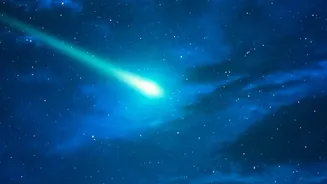
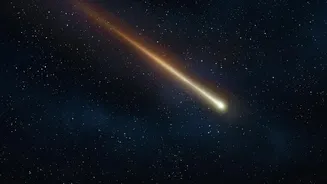
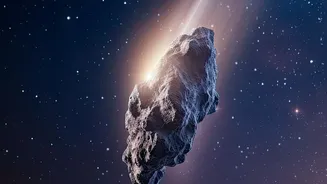
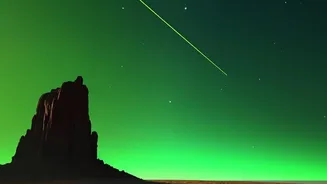
called 109P/Swift-Tuttle. This comet, which has a nucleus 26 kilometres wide, orbits the sun every 133 years, leaving a trail of dust and rock in its wake. Each August, Earth’s orbit takes it directly through this stream of particles. As the debris hits our atmosphere at tremendous speeds—around 59 kilometres per second—it burns up, creating the brilliant flashes of light we know as the Perseid meteor shower. Many meteors are just the size of a grain of sand, but they can produce incredibly bright streaks and even spectacular, long-lasting fireballs.
Why 2026 Is a Perfect Year
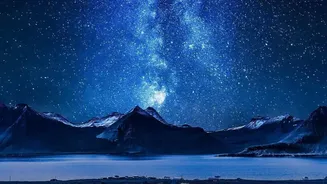
The key to a great meteor shower is darkness. Bright moonlight can act like natural light pollution, washing out all but the brightest meteors and dramatically reducing the number you can see. This is what makes 2026 so exceptional. The peak of the Perseid meteor shower, on the nights of August 12 and 13, coincides perfectly with the new moon. A new moon means the lunar face turned toward Earth is completely unlit, resulting in the darkest possible skies. This alignment provides ideal viewing conditions, allowing even the faintest meteors to be seen. Under these perfect, moonless conditions, skywatchers in dark locations could see 50 to 90 meteors per hour, or possibly more.
When and Where to Look
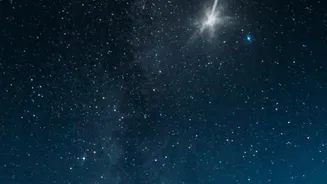
Mark your calendars for the nights of Tuesday, August 12, and Wednesday, August 13, 2026. While the shower is active for weeks, these nights mark the peak when Earth passes through the densest part of the debris stream. The best viewing time is in the hours after midnight and before dawn, when the shower's radiant point—the spot in the sky where the meteors appear to originate—is highest in the sky. This radiant is in the constellation Perseus, which rises in the northeast. However, you don't need to stare at one spot. The meteors can appear anywhere in the sky, so it’s best to find a comfortable position and take in as wide a view as possible.
A Simple Guide to Viewing
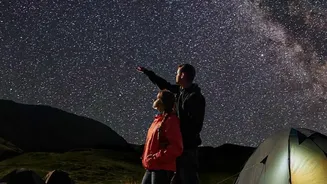
You don't need any special equipment to enjoy the show. In fact, binoculars and telescopes are not recommended because they limit your field of view. Your naked eyes are your best tools. The most important step is to get away from city and street lights. Find a safe spot in a park, a rural area, or even a dark corner of your backyard with an open view of the sky. Give your eyes about 20 to 30 minutes to fully adjust to the darkness; this means avoiding looking at your phone screen. Then, simply lie back on a blanket or a reclining chair, look up, and be patient. Bring a jacket for the late-night chill and some snacks to make it a comfortable and memorable experience.
Capturing the Cosmic Show
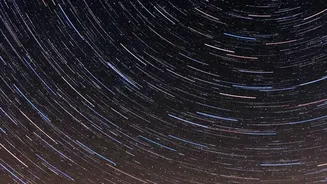
If you're an aspiring photographer, a meteor shower is a fantastic opportunity to practice your skills. While it can be challenging, it is possible to capture these fleeting streaks of light. You'll need a camera with manual settings, a wide-angle lens, and a sturdy tripod. Set your camera to manual focus and aim it at infinity. Use a wide aperture (a low f-stop number) to let in as much light as possible. You’ll need to experiment with long exposure times, typically between 15 and 30 seconds. A remote shutter or self-timer will prevent camera shake. Don't get discouraged if you don't catch one right away—part of the fun is the process and enjoying the beautiful night sky while you wait.