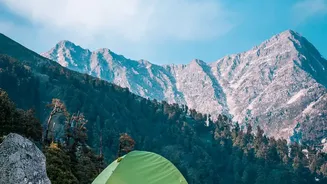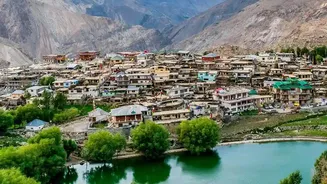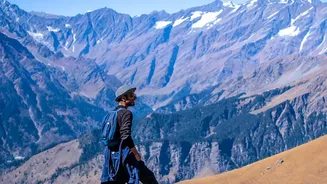







The Great Migration from Office to Mountains
The single biggest driver behind the workation boom is the fundamental shift in India’s work culture. The pandemic normalized remote and hybrid work, freeing millions of professionals from the necessity of being physically present in an office. This newfound
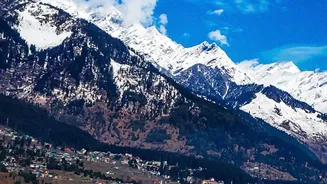
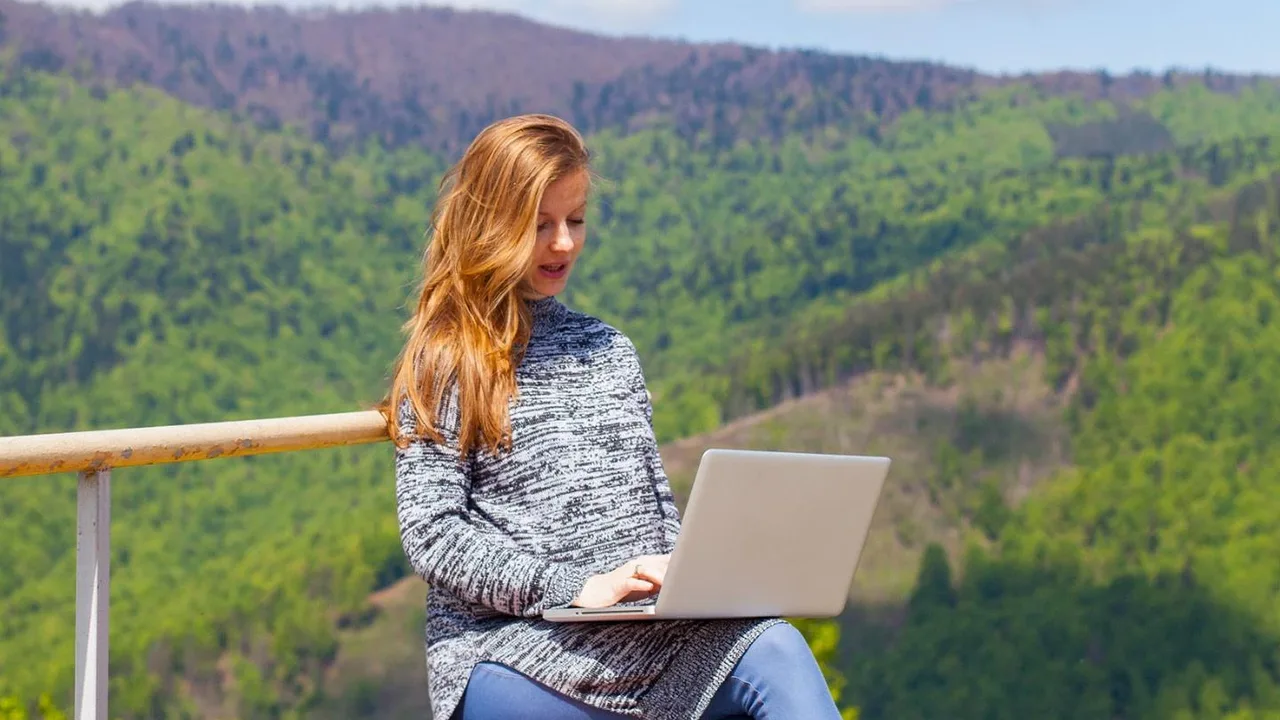
flexibility allows employees, particularly in the IT, creative, and freelance sectors, to choose their workplace. Instead of being confined to a desk in Bengaluru or Gurugram, they can now log in from a balcony overlooking the Parvati Valley. This has led to the rise of the 'Work from Mountains' concept, where professionals temporarily relocate to the hills for weeks or even months, blending their work commitments with the peace and rejuvenation of a holiday.
A Smarter Economic Choice
Beyond the scenic appeal, the decision to work from Himachal is often rooted in simple economics. The cost of living in mountain towns is significantly lower than in major metropolitan cities. A month-long stay in a comfortable homestay or co-living space in destinations like Bir, Jibhi, or Manali can often be cheaper than paying monthly rent and utilities in Delhi or Mumbai. For example, a comfortable life in Himachal can be managed on ₹25,000–₹40,000 per month, covering accommodation, food, and local travel. Homestays and guesthouses, recognizing this trend, now offer attractive long-stay packages that include meals and Wi-Fi, making the financial proposition even more compelling for young professionals looking to save money without sacrificing quality of life.
The Ultimate Wellness Package
The boom is also a response to rising urban burnout. City life, with its pollution, noise, and relentless pace, takes a toll on mental and physical health. Himachal offers a powerful antidote: clean air, quiet surroundings, and constant access to nature. Professionals are finding that a change in environment leads to increased focus and creativity. The opportunity to go for a hike after a day of meetings, enjoy locally grown food, and disconnect from urban stress is a major draw. This focus on well-being transforms the workation from a simple change of scenery into a holistic experience that boosts both productivity and personal health, a balance that is difficult to achieve in a bustling city.
Infrastructure That Makes It Possible
A few years ago, working from the Himalayas was a logistical challenge due to poor connectivity. That has changed dramatically. The availability of reliable high-speed internet, including fiber broadband from providers like Jio and Airtel, has been a game-changer. Major hubs like Dharamshala, Manali, and Bir now offer internet speeds of up to 100-300 Mbps, which is more than sufficient for video calls and daily work tasks. Many homestays and newly established co-living spaces specifically cater to remote workers by providing dedicated workspaces, power backup, and stable Wi-Fi. This improved infrastructure ensures that one can enjoy the mountain serenity without compromising on professional commitments.
The Rise of Workation-Ready Destinations
As the demand has grown, specific destinations have emerged as hotspots, each offering a unique vibe. Manali and its quieter outskirts like Naggar are classic choices known for their vibrant café culture. Dharamshala and McLeod Ganj attract those looking for a mix of spiritual and community experiences. Meanwhile, offbeat destinations like Jibhi, Tirthan Valley, and Bir have become favourites for those seeking peace, quiet, and adventure activities like paragliding. These hubs are no longer just for tourists; they are evolving ecosystems with co-working cafes, long-stay accommodations, and a community of like-minded digital nomads, making it easy for newcomers to plug into the work-from-mountains lifestyle.