




What Exactly is Pilling?
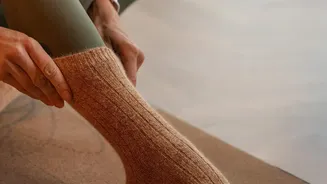
Pilling happens when fibers on the surface of a fabric break, get tangled, and form small knots. This is a natural result of friction and abrasion from regular wear and tear. Activities as simple as a bag rubbing against your side, or the agitation of a wash
cycle, can cause these fibers to loosen. While some fabrics like knits, wool, and synthetics (polyester, acrylic) are more prone to pilling than tightly woven ones like denim or linen, the way you care for your clothes plays a huge role in preventing it. Pilling isn't necessarily a sign of poor quality—even high-end materials can pill—but proper care can keep it at bay.
Decoding the Wash Tub Symbol
The most important symbol on any care label is the wash tub. It tells you exactly how to wash a garment safely. An 'X' through the tub means 'Do Not Wash' and likely requires dry cleaning, while a hand in the tub means 'Hand Wash Only'. For machine-washable items, pay attention to the dots and lines. The dots indicate water temperature: one dot for cold (around 30°C), two for warm (40°C), and three for hot (50°C or more). Using cooler water is gentler on fibers and can help prevent the weakening that leads to pilling. Lines underneath the tub refer to the wash cycle. No line means a normal cycle is fine. One line indicates a 'Permanent Press' cycle, which has a slower spin. Two lines mean you should use the 'Delicate' or 'Gentle' cycle, which minimizes agitation and friction.
The Truth About Tumble Drying
The intense heat and tumbling motion of a dryer can be a major cause of pilling. High heat weakens fibers, making them more susceptible to breaking and tangling. The drying symbol—a square—gives you the best instructions. A circle inside the square means it's safe to tumble dry. An 'X' through this symbol means 'Do Not Tumble Dry'; you should air dry it instead. For items that can be machine dried, dots inside the circle specify the heat setting: one dot for low heat, two for medium, and three for high. Choosing a low-heat or no-heat setting is always a safer bet. Other symbols within the square offer air-drying guidance: a horizontal line means 'Dry Flat' (to prevent stretching), while a curved line at the top means 'Line Dry'.
Simple Habits for Better Laundry
Beyond the main symbols, a few simple habits can drastically reduce pilling. Always turn garments inside out before washing. This ensures the exterior 'presentation' side of the fabric experiences less friction. Fasten all zippers, hooks, and buttons to prevent them from snagging and abrading other clothes in the load. Avoid overloading your washing machine; giving clothes more room to move reduces the rubbing that causes pills. Washing heavier items like jeans separately from lighter ones like T-shirts and sweaters is also a good practice to prevent damage to the more delicate fabrics. For particularly delicate or pill-prone items, consider using a mesh laundry bag for an extra layer of protection during the wash cycle.
The Role of Bleach and Ironing
While less directly related to pilling, the bleach and iron symbols are crucial for maintaining the overall integrity and appearance of your clothes. The triangle symbol governs bleaching. An empty triangle means any bleach is okay, while a triangle with diagonal lines inside specifies non-chlorine bleach only. An 'X' through the triangle means 'Do Not Bleach'. The iron symbol indicates ironing safety and temperature. Dots inside the iron correspond to heat levels: one for low (synthetics, silk), two for medium, and three for high (cotton, linen). Using excessive heat can scorch or damage fibers, contributing to long-term fabric degradation. An 'X' through the iron means the item should not be ironed at all.