



The End of the Checklist Itinerary
For years, travel was often a race to collect landmarks. A photo at the Taj Mahal, a boat ride in Kerala, a drive through a Rajasthani fort—these were the markers of a successful trip. But a significant shift is underway. Indian travellers are now looking
beyond the conventional sightseeing circuit, driven by a desire for more meaningful journeys. This change reflects a move away from passive observation towards active participation. Instead of just seeing a place, travellers want to understand it. Recent surveys show a powerful trend towards culture-led travel, where the experience itself, not just the destination, is the main draw. According to a Skyscanner report, 67% of Indian travellers now plan their holidays around cultural events, food, or heritage, signalling a clear move away from fixed, impersonal itineraries.
What 'Authentic' Travel Really Means
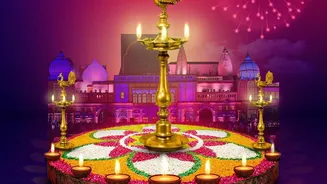
Authentic travel isn’t about roughing it or avoiding popular spots entirely; it’s about connection. It's the difference between buying a souvenir and learning to make a craft from a local artisan. It means choosing a homestay to share meals and stories with a family instead of an anonymous hotel stay. This kind of experiential tourism focuses on immersive activities that reveal the fabric of local life. Think of joining a cooking class to master regional recipes, participating in a lesser-known local festival, or taking a heritage walk led by a community storyteller. These moments offer a deeper understanding and create memories that last far longer than a photograph. The goal is to return home with a new perspective, not just a full camera roll.
The New Wave of Experiential Travellers
This movement is largely powered by younger, digitally-savvy generations. Millennials and Gen Z, who make up a significant portion of the travelling population, prioritise purpose-led journeys. Having grown up in a world of curated online content, they are seeking genuine, unfiltered moments. Reports project India's experiential travel market to reach USD 45 billion by 2027, with travellers aged 18-35 driving 65-70% of these bookings. But the trend isn’t limited by age. A growing number of discerning travellers across all demographics are willing to spend more on fewer, higher-quality trips that offer unique and personalised experiences. The focus has shifted from saving money to gaining valuable life experiences.
Finding Your Own Authentic Adventure
So, how do you move from being a tourist to a true traveller? It starts with intentional planning. Instead of asking "Where should I go?", try asking "What should I experience?". Look for farm stays or agri-tourism opportunities, a growing trend in states like Kerala, Maharashtra, and Karnataka, where you can participate in harvesting or learn about organic farming. Seek out workshops that teach traditional arts, like block-printing in Rajasthan or weaving in Gujarat. Explore destinations during regional festivals like Durga Puja or Ganesh Chaturthi to witness local culture at its most vibrant. Social media and travel blogs can be great tools for discovering these offbeat experiences and finding smaller, Tier-2 or Tier-3 towns that offer a genuine slice of life away from the tourist crowds.
Embracing a New Way to Explore India
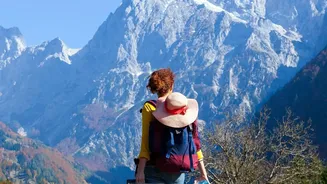
This shift towards experiential travel is a powerful reminder of India's incredible diversity. The country offers a lifetime of authentic experiences waiting to be discovered, from the spice plantations of the south to the living root bridges of the northeast and the artisan villages of the west. Opting for a community-led trek, a culinary trail, or a stay at an eco-lodge not only enriches your own journey but also supports local economies and helps preserve cultural heritage. It's a more sustainable and rewarding way to travel, fostering a genuine connection with the places and people that make India so unique.