






The Foundation: Vrat Grains and Flours
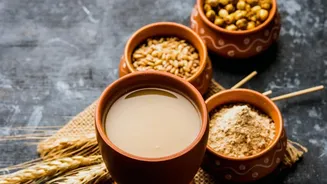
The core of any fasting meal involves vrat-friendly flours and grains that replace wheat and rice. The most common options are Kuttu (buckwheat), Singhara (water chestnut), Rajgira (amaranth), and Samak Rice (barnyard millet). These pseudo-grains are packed
with nutrients. Kuttu, for instance, is high in protein and fibre, which helps in keeping you full for longer. Singhara atta is known for its cooling properties and is rich in potassium. Samak rice is light, easy to digest, and a great source of carbohydrates for sustained energy. The mistake many make is pairing these only with potatoes and frying them. To build a fuller meal, think of these as the base to which you'll add other food groups.
Pair with Power-Packed Proteins
One of the main reasons for feeling hungry during fasts is the lack of protein. Pairing your grains with a solid protein source is crucial for satiety. Paneer (cottage cheese) is an excellent and versatile option. Instead of a simple potato curry, try a light paneer curry to go with your Kuttu rotis. Another fantastic protein is yogurt (curd). A bowl of curd not only provides protein and calcium but also aids digestion with its probiotic goodness. You can have it as a side, make a raita with cucumber, or blend it into a refreshing lassi or buttermilk to stay hydrated. Combining grains with dairy creates a more complete and balanced meal.
Don't Forget Fibre-Rich Vegetables
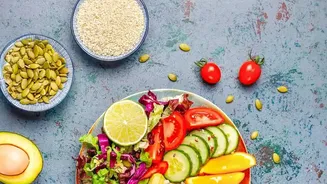
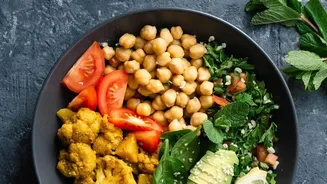
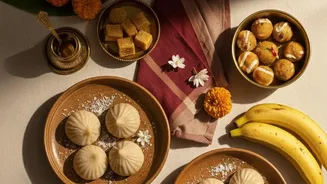
Vegetables are your best friend for adding bulk, fibre, and essential nutrients to your meals without adding excessive calories. While potatoes and sweet potatoes are popular, don't overlook other options. Lauki (bottle gourd), pumpkin, and raw bananas are excellent choices that are allowed during the fast. Pairing a Kuttu or Rajgira paratha with a simple lauki sabzi instead of a fried potato dish makes a world of difference. Sweet potatoes can be roasted to make a delicious chaat, providing complex carbs and fibre that keep you feeling full and prevent energy slumps. These vegetables add volume and keep your digestive system healthy.
The Magic of Makhana and Nuts
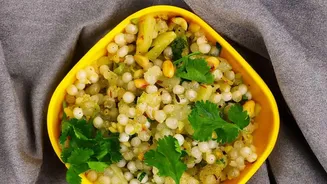
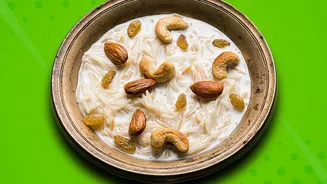
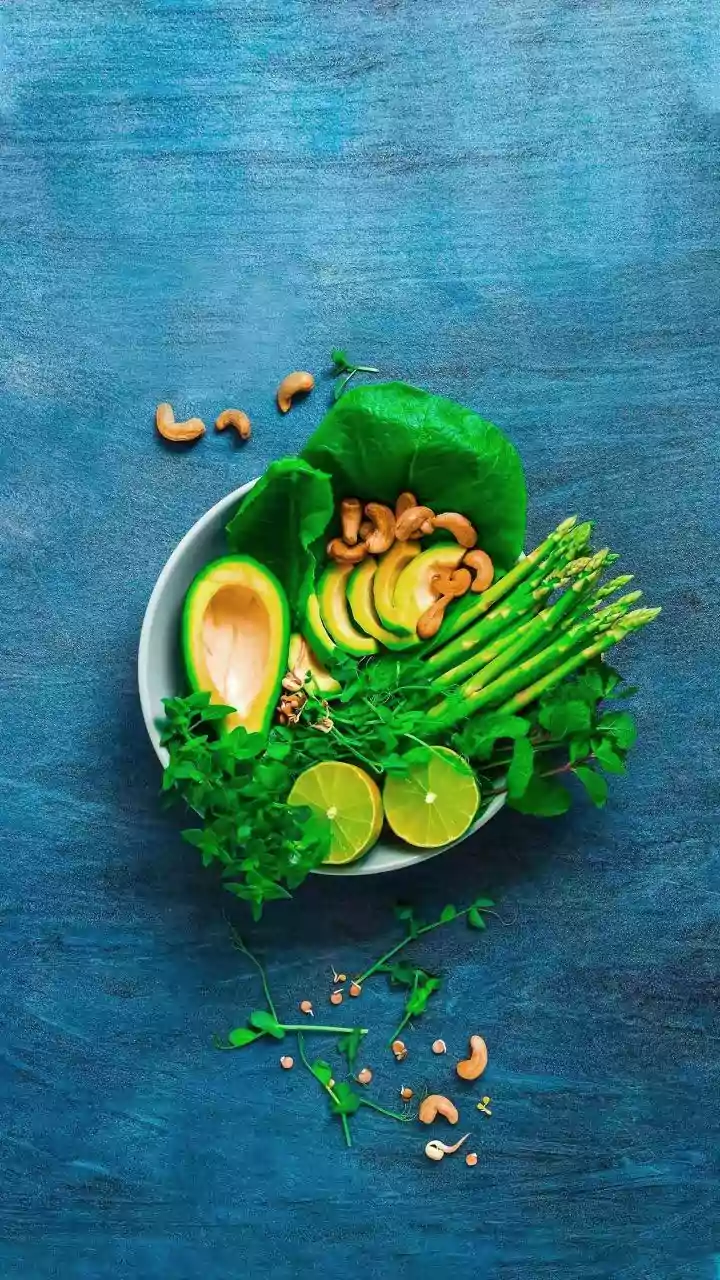
Makhana, or fox nuts, are a fasting superfood. They are incredibly light yet satisfying because they are rich in protein and fibre but low in calories. Instead of having them just as a dry roasted snack, think of them as an ingredient. You can add a handful of roasted makhana to your vegetable curry for a crunchy texture or make a simple makhana kheer for a nutritious dessert. Similarly, nuts like almonds, walnuts, and peanuts are calorie-dense and provide healthy fats and protein. Adding roasted peanuts to Sabudana Khichdi not only enhances the flavour but also its nutritional profile, making it more filling.
Putting It All Together: Sample Pairings
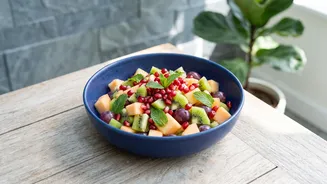
Let's translate this into actual meals. For lunch, instead of just Sabudana Khichdi, pair a smaller portion with a bowl of fruit raita. This combines carbs, protein, and vitamins. For dinner, try pairing Samak rice pulao, cooked with vegetables, with a side of paneer bhurji. Another great combination is a Kuttu cheela (a savoury pancake) stuffed with grated pumpkin or paneer, served with a bowl of yogurt. These pairings ensure you are getting a mix of complex carbohydrates, protein, and fibre in one plate, which is the ultimate formula for a meal that keeps you full and energised for hours.