





What is this Big Trade Deal?
The agreement in the spotlight is the India-UK Free Trade Agreement (FTA), which is set to be implemented from July 15, 2026. [4, 7, 8, 9] At its core, an FTA is a pact between two or more countries to reduce or eliminate barriers to trade, such as tariffs
(taxes on imports) and quotas (limits on the quantity of goods). [4] This particular deal aims to make it easier and cheaper for British goods, including cars and motorcycles, to be sold in India, and for Indian goods to be sold in the UK. [7] For Indian bikers, the most crucial part of this deal is the proposed reduction in import duties on vehicles built in the UK. [4]
Your Dream Bike’s Biggest Hurdle: Taxes Explained
Currently, importing a high-end motorcycle into India is an expensive affair due to a complex tax structure. A bike brought in as a Completely Built-Up (CBU) unit—meaning it arrives fully assembled—faces steep import duties that can be as high as 100%. [4] There are also taxes for bikes imported as Completely Knocked Down (CKD) or Semi-Knocked Down (SKD) kits, which are assembled in India. These are lower, typically ranging from 10% to 30%, to encourage local manufacturing. [6, 12] This is why a motorcycle that costs a certain amount in Europe or the US can see its ex-showroom price nearly double in India, pushing many dream bikes out of reach for the average enthusiast.
How the FTA Could Slash Prices
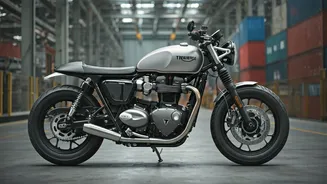
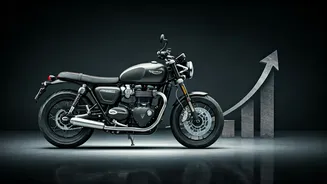
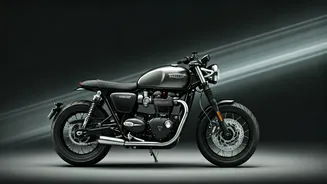
The India-UK FTA proposes a significant, phased reduction of these punishing import duties. [9] Under the new agreement, the duty on certain automotive imports from the UK will be cut to as low as 10% over five years. [4, 8, 9] However, there's a catch: this will be a quota-based system. [4, 5] This means only a specific number of vehicles will be eligible for the lower tariff each year. [4] For example, in the first year, duties on vehicles with large engines might drop from over 100% to 30% for a limited number of units. [9] While the focus has been on cars, this structure is expected to apply to motorcycles as well, making premium UK brands like Triumph, Norton, and BSA potentially much more affordable. [4]
More Than Just British Bikes?
While the immediate focus is on the UK deal, India is also finalising a similar FTA with the European Union (EU). [14, 15] This could be an even bigger game-changer, opening the door for reduced prices on motorcycles from iconic European brands like Ducati, BMW Motorrad, KTM, and Aprilia. [14, 17] Models that are currently imported as CBUs from Italy, Germany, or Austria could see significant price corrections, making superbikes and high-end adventure tourers more accessible. [14] The hope within the industry is that these FTAs will offset high local taxes (like GST) and invigorate the premium motorcycle segment in India. [18]
What About 'Make in India'?
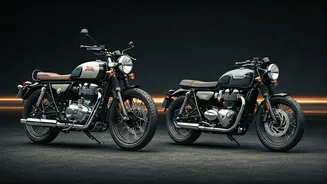
The influx of cheaper imported bikes naturally raises questions about the impact on domestic manufacturers like Hero MotoCorp, Bajaj Auto, TVS, and Royal Enfield. To protect local industry, the tariff reductions are being implemented gradually and with quotas. [4] The deal is also a two-way street; it will make it easier for Indian manufacturers to export their vehicles to the UK and EU markets. [7, 14, 19] Brands like Royal Enfield, which already have a strong presence in Europe, could see a boost in exports. [19] Similarly, TVS (which owns Norton) and Hero MotoCorp see the agreements as a major opportunity to expand their global footprint and integrate further into global supply chains. [19] The consensus is that the deal will intensify competition, but primarily in the niche, high-end segment, leaving the mass-market commuter segment largely unaffected. [22]