






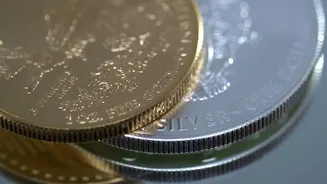
Gold is more than an investment in India; it's a tradition, a security, and a cornerstone of family wealth. But the current market is sending mixed signals, suggesting a sharp dip may precede the familiar year-end shine.
A Tale of Two Forecasts
For Indian gold investors, the
current market feels like a puzzle. After hitting record highs earlier in 2026, prices have been under significant pressure. Recent weeks have seen a sharp correction, with prices falling considerably from their peak. This has left many wondering whether the bull run is over or if this is merely a temporary storm. The consensus among market analysts points to a fascinating and complex scenario: the likelihood of further price drops in the immediate short term, followed by a recovery that could still lead to respectable annual gains for those who hold on. This volatile environment brings both risk and opportunity, making a clear-eyed strategy more important than ever.
Decoding the Predicted Price Dip
Several powerful global and domestic factors are conspiring to push gold prices down. The primary driver is the monetary policy of the U.S. Federal Reserve. With inflation concerns lingering, the Fed is expected to maintain high interest rates, and may even signal further hikes. Gold pays no interest, so when government bonds offer higher yields, institutional investors are often drawn away from bullion, reducing its demand and price. Compounding this is the strength of the U.S. dollar, which is trading at multi-month highs. Since gold is priced in dollars internationally, a stronger greenback makes it more expensive for buyers using other currencies, including the Indian rupee, thereby dampening global demand. Locally, a strengthening rupee can sometimes amplify this effect, lowering the landed cost of imported gold in India. A temporary cooling in consumer buying after the recent festive season has also removed a layer of support for prices.
The Case for Long-Term Gains
Despite the short-term headwinds, the outlook for gold in the medium to long term remains robust. One of the strongest arguments for a price recovery is India's own cultural and seasonal demand. The upcoming wedding season is a period of traditionally high gold consumption, which is expected to provide strong support for prices. Furthermore, gold's status as a 'safe-haven' asset remains undiminished. Ongoing geopolitical uncertainties and volatility in equity markets often lead investors and even central banks to increase their gold holdings as a way to diversify and protect wealth. In fact, central banks globally have been significant buyers, a trend that is likely to continue. Many analysts believe that the current price dip is an 'oversold' condition and that a bounce back is highly expected as value buyers step in.
A Strategic Approach for Investors
Navigating this market requires patience and strategy, not panic. Trying to 'time the market'—selling at the absolute top and buying at the exact bottom—is nearly impossible. Instead, financial advisors often recommend a more disciplined approach. For those looking to accumulate gold, the anticipated price dips could present a valuable buying opportunity. A systematic investment plan (SIP) or staggered purchasing is a prudent strategy. By investing a fixed amount regularly, you can average out your purchase cost over time, mitigating the risks of short-term price swings. For existing investors, the key is to focus on your long-term financial goals. Gold has historically proven to be an effective hedge against inflation and a reliable store of value over many years. While short-term falls can be unsettling, the fundamental reasons for holding gold in a diversified portfolio remain as strong as ever.