




The Challenge of a Single Explorer
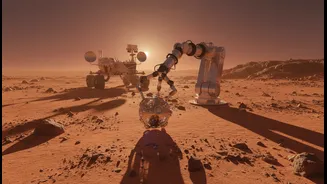
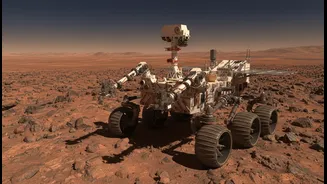
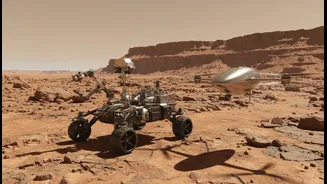
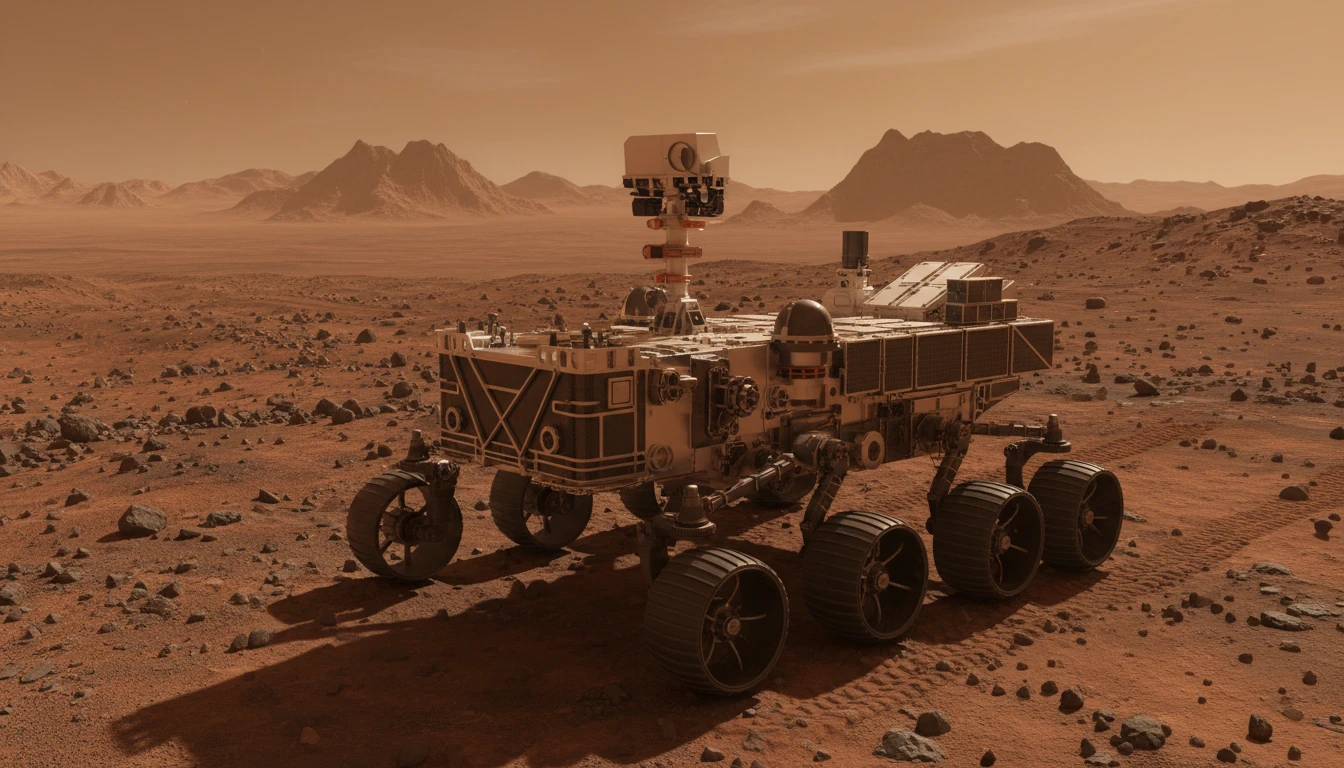
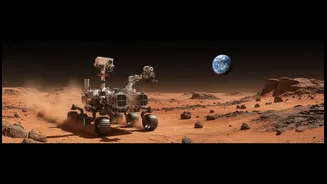
NASA’s rovers, from Sojourner and Spirit to the active Curiosity and Perseverance, are marvels of engineering. These car-sized mobile laboratories have fundamentally changed our understanding of the Red Planet. However, they share a critical limitation:
they are cautious explorers. A single multi-billion dollar asset is too valuable to risk on a steep crater wall, a treacherous dune field, or the mysterious depths of a newly discovered cave. Rovers like Spirit, which got stuck in a sand trap in 2009, have taught mission planners hard lessons about the dangers of the Martian surface. As a result, the most tantalizing geological sites—the very places most likely to preserve signs of ancient life or hold water ice—often remain just out of reach, observed from a safe distance but never touched.
A New Strategy: The STRIDE Initiative
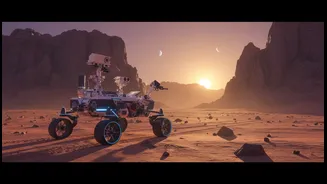
To overcome these hurdles, NASA has launched a new commercial partnership program called STRIDE, which stands for Science Transport and Robotic Innovation for Deployment and Exploration. Announced in July 2026, the initiative has awarded contracts to seven private companies to develop concepts for the next generation of Martian mobility. With a total value of around $17 million, STRIDE is designed to foster innovation by looking beyond the single-rover model. The goal is to create robotic systems that can travel farther, faster, and into much more challenging environments than ever before. This represents a strategic shift, using public-private partnerships to build a more diverse and capable toolkit for planetary exploration.
Meet the New Breed of Robots
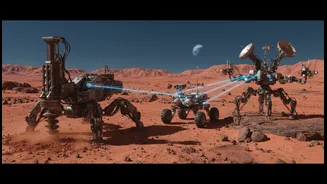
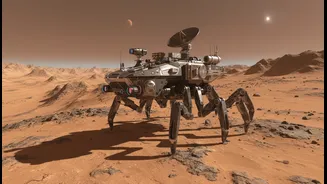
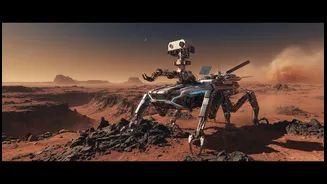
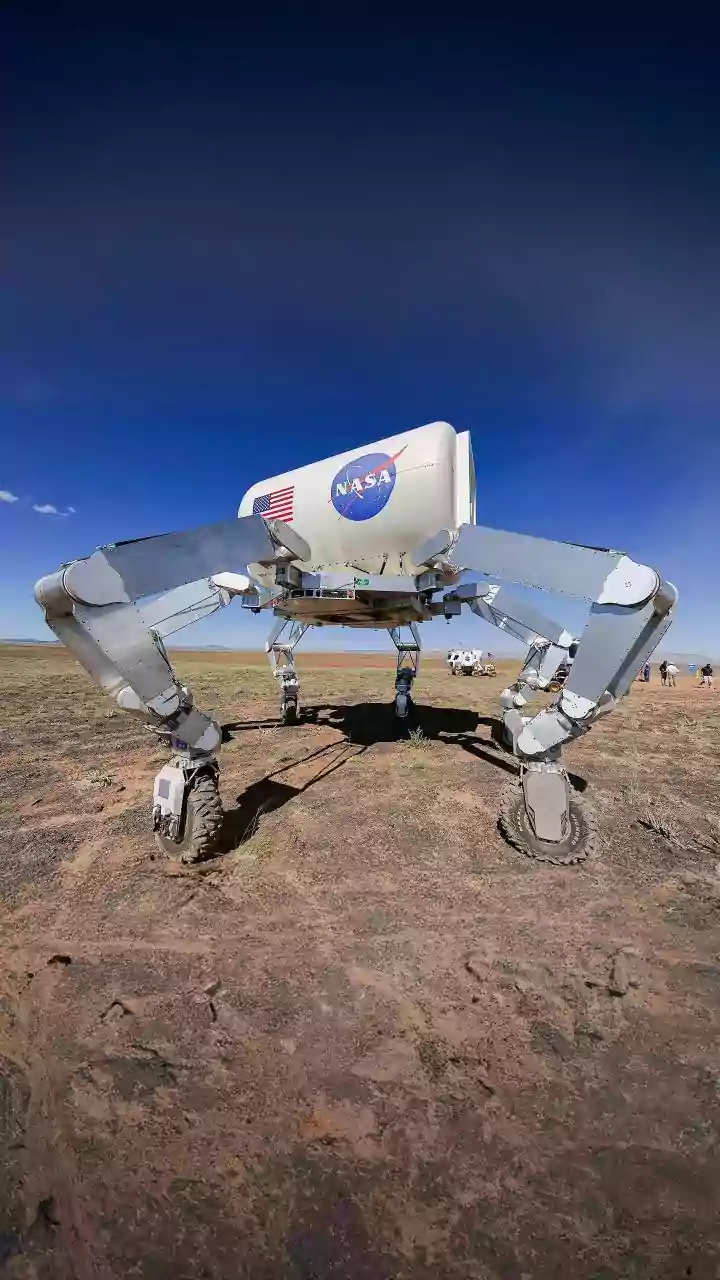
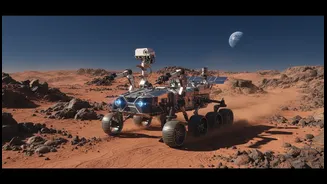
The concepts being explored under STRIDE and similar research programs are a world away from the six-wheeled rovers we know. Imagine teams of smaller, shoebox-sized robots working together autonomously, an idea tested by NASA's CADRE project. These robotic teams can share data, create 3D maps, and even adjust their plans as a group if one unit encounters an obstacle. Other concepts include rappelling robots like DuAxel, which can anchor one half of its body while the other half descends down a cliff on a tether. To explore subsurface lava tubes, engineers are developing systems inspired by the fairy tale "Hansel and Gretel," where a swarm of robots drops communication nodes like breadcrumbs to maintain contact as they venture deep into caves. Prototypes like the ERNEST rover are already being tested in desert environments, showcasing an ability to lift individual wheels to climb over obstacles that would stop current Mars rovers in their tracks.
Targeting Mars's Final Frontiers
The scientific targets for these new robots are some of the most exciting places on Mars. Orbiters have identified numerous pits that appear to be "skylights"—collapsed ceilings of underground lava tubes. These caves are considered prime candidates for finding evidence of past or even present Martian life because their interiors are shielded from the harsh radiation that bombards the planet's surface. Exploring these subterranean worlds is impossible for a rover like Perseverance. But a team of smaller, more expendable robots could be deployed to enter a skylight, map the cave system, and analyze its environment. Other hard-to-reach areas include the steep, layered slopes inside impact craters, which hold a geological record of Mars's ancient climate, and the subsurface oceans thought to exist on icy moons. These new mobility systems could finally provide access.