





What Are Digital-First Kitchens?
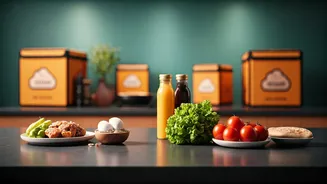
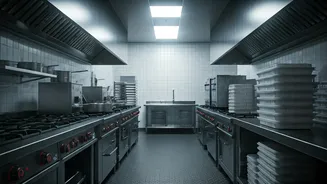
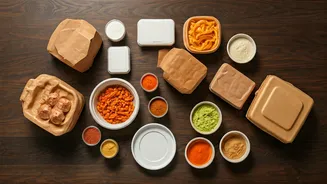
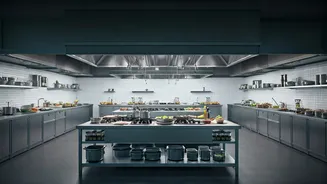
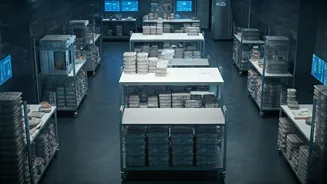
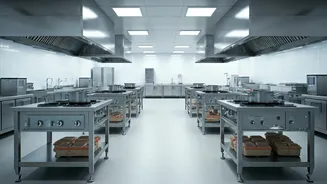
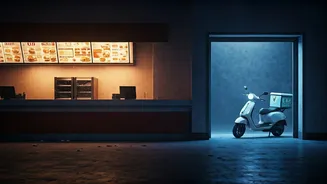
A digital-first or 'cloud kitchen' is a restaurant that exists only online. Also known as ghost or virtual kitchens, these are commercial cooking facilities designed exclusively for delivery orders, with no physical storefront or dine-in space. This model
capitalises on the massive shift in consumer behaviour towards online food delivery, powered by apps like Zomato and Swiggy. The Indian cloud kitchen market was valued at USD 1.24 billion in 2025 and is projected to grow to USD 3.69 billion by 2034. This growth is driven by rising internet penetration and the increasing demand for convenient, affordable meals. Companies like Rebel Foods, which operates over 45 brands from its network of kitchens, and Curefoods, a house of brands including EatFit and CakeZone, are leading this disruption.
The Competitive Edge of the Cloud
The primary advantage for cloud kitchens is their asset-light model. By eliminating the need for prime real estate, elaborate interiors, and front-of-house staff, their startup and operational costs are significantly lower than traditional restaurants. An entrepreneur can launch a cloud kitchen for a fraction of the investment needed for a dine-in establishment. This model allows for incredible flexibility and scalability; operators can run multiple brands and cuisines from a single kitchen, catering to different customer segments and maximising revenue streams. Furthermore, digital-native brands excel at using data analytics to understand consumer preferences, predict demand based on events like cricket matches, optimise menus, and reduce food waste.
The Strengths of Legacy Chains
Despite the onslaught, it's a mistake to count legacy chains out. Established brands like Domino's, Pizza Hut, and McDonald's possess powerful assets that digital-only players lack. The biggest is brand trust and recognition built over decades. Customers have a pre-existing relationship and quality expectation with these names. Their physical stores, while expensive, serve as valuable marketing billboards and offer a dine-in experience that cloud kitchens cannot replicate. This direct customer interaction builds loyalty in a way that is challenging for virtual brands that rely heavily on third-party delivery apps and digital reviews. Moreover, these chains have highly optimised supply chains and decades of experience in maintaining consistent food quality at scale.
How Legacy Players Are Fighting Back
Legacy chains are not standing still. Many are adopting hybrid models, leveraging their existing infrastructure to compete more effectively. This includes launching their own delivery-only 'virtual brands' from their current restaurant kitchens, allowing them to experiment with new cuisines and capture a wider online audience without additional real estate costs. Domino's, which has long operated a delivery-centric model, considers itself the "original cloud kitchen" and leverages its extensive network of stores to ensure fast delivery, an area where centralised cloud kitchens can struggle in less dense areas. Others are doubling down on the in-restaurant experience, enhancing ambiance and service to create a compelling reason for customers to dine out. They are also investing heavily in their own digital platforms to reduce dependency on aggregators and build direct customer relationships.