

The Geometric Bookcase or Étagère
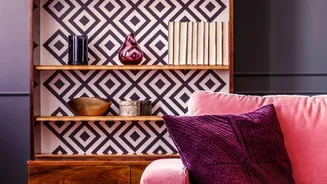
An Art Deco-inspired étagère or bookcase is the antithesis of a cluttered shelf. Unlike bulky, formless storage, these pieces are defined by their strong, often symmetrical, frames. They use vertical lines and repeating geometric shapes to create a visual
rhythm, turning your collection of books and objects into an orderly display. Look for designs with open, airy frames in materials like steel, chrome, or polished brass, often featuring 'skyscraper' or stepped forms. This structure doesn’t just hold your belongings; it frames them, forcing a sense of curation. The inherent order of the piece itself—its clean lines and deliberate geometry—imposes discipline on the items it contains, making it an architectural feature rather than just storage.
The Statement Sunburst Mirror
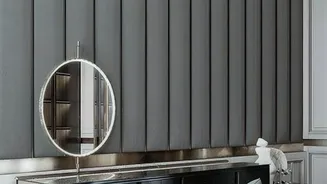
A well-placed mirror is a classic tool for making a space feel larger and brighter, but an Art Deco mirror does more—it commands attention and creates a focal point. Sunburst, fan-shaped, or faceted geometric designs are hallmarks of the style. By creating such a strong central anchor on a wall, the mirror draws the eye and gives it a place to rest, effectively distracting from surrounding clutter. The frame’s repeating lines and symmetrical radiation bring a powerful sense of order. These are not passive, functional objects; they are decorative pieces that act as sculpture, imposing a glamorous, intentional structure onto an otherwise plain or busy wall. Whether placed above a fireplace or a console table, it announces a clear center of gravity for the room.
The Lacquered Console or Sideboard
Nothing says Art Deco quite like a piece of lacquered furniture. A console table or sideboard in this style is characterized by its clean, streamlined silhouette, often featuring rich wood veneers, high-gloss finishes, and bold metal hardware. Its power to combat clutter is twofold. A sideboard or credenza offers elegant, hidden storage, tucking away everyday items behind doors that are themselves a statement of geometric design. A slim console table, meanwhile, creates a designated and orderly landing strip in an entryway or behind a sofa. The piece’s strong, uninterrupted lines and reflective surface provide a crisp, architectural boundary, encouraging a tidy and curated display of lamps or decorative objects rather than a chaotic pile of mail and keys.
The Sculptural Armchair
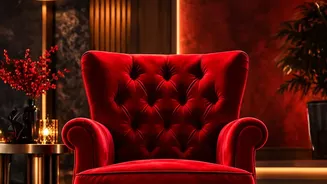
Art Deco armchairs are not designed to blend in; they are conceived as sculptural objects meant to occupy space with authority. Look for chairs with strong, defined silhouettes, such as curved or barrel backs, channel tufting, and geometric frames made of polished wood or metal. Upholstered in luxurious materials like velvet, these chairs bring a rich texture and deep color that adds to their presence. In a cluttered room, a sculptural armchair carves out its own zone of calm and order. Its clear form and self-contained shape provide a visual resting point that is distinct from the mess around it. By placing one or a symmetrical pair in your living room, you introduce a sense of intentional, comfortable structure that helps anchor the entire seating arrangement.
The Tiered Chandelier or Lamp
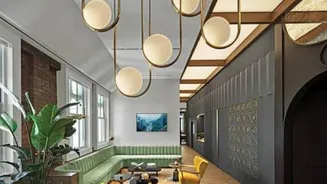
Lighting in Art Deco design is never an afterthought; it is a central feature that defines the architecture of a room. Chandeliers and lamps inspired by this era often feature tiered or layered forms, geometric shapes like globes and cylinders, and a mix of materials such as brass, chrome, and glass. A tiered chandelier draws the eye upward, adding vertical structure and a touch of glamour that lifts the room’s atmosphere. Sconces placed symmetrically on a wall add balance and rhythm. This type of lighting does more than just illuminate the space; it functions as functional jewelry, adding a layer of intentionality and sophistication. By drawing focus to these beautiful, structural light sources, you create an ambiance of deliberate elegance that makes peripheral clutter feel less significant.