



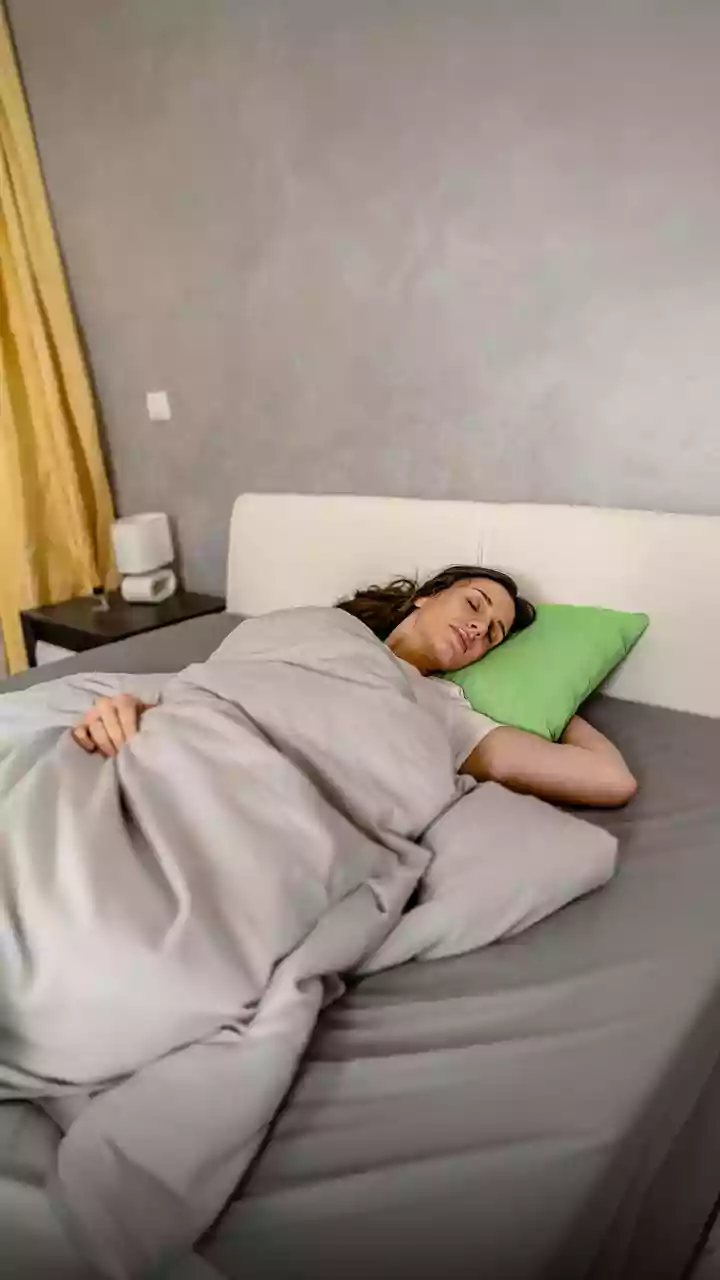



The festive season brings joy, family, and late nights, but it can also leave you feeling exhausted. While you can't always control the celebrations, you can control your recovery by turning your bedroom into a dedicated sleep sanctuary.
The Challenge of Celebration Sleep
Festive periods
and celebrations are wonderful, but they are notorious for disrupting our routines. Late-night parties, rich foods, and increased alcohol consumption can throw our internal body clock, or circadian rhythm, into disarray. This phenomenon, sometimes called 'social jetlag', occurs when your sleep schedule shifts dramatically, leading to fatigue and reduced alertness. Many people find they get less sleep during festive seasons, and the sleep they do get is often of lower quality. Heavy meals eaten late at night can interfere with digestion and delay sleep, while alcohol, though it might make you feel drowsy initially, ultimately fragments sleep and suppresses the restorative REM phase. This combination of factors creates a 'sleep debt' that can leave you feeling drained long after the party is over.
Your Bedroom: The Ultimate Recovery Zone
While you can’t always say no to another late evening with family and friends, you can take proactive steps to ensure your body recovers as quickly as possible. The key lies in transforming your bedroom from just a place where you sleep into a carefully controlled environment optimised for recovery. Think of it as your personal sanctuary, a space designed exclusively for rest and recuperation. By focusing on the core elements of the sleep environment—light, temperature, and noise—you can create a setting that signals to your body that it is time for deep, restorative rest, helping to counteract the disruptions from the night before.
Master the Darkness for Deeper Rest
Light is the most powerful signal for your body's internal clock. Exposure to light, especially in the hours before bed and during the night, suppresses the production of melatonin, the hormone that makes you feel sleepy. To speed up recovery after a late night, making your bedroom as dark as possible is crucial. Invest in blackout curtains or use a comfortable eye mask to block external light from streetlamps or morning sun. Remove or cover any electronics that emit light, no matter how faint. Dimming the lights in your home an hour or two before you plan to sleep also helps to signal to your brain that it's time to wind down, making it easier to fall asleep once your head hits the pillow.
Find Your Cool for Quicker Recovery
Have you ever woken up in the middle of the night feeling too hot? A room that is too warm can significantly disrupt sleep quality. Your body's core temperature naturally drops to initiate and maintain sleep, and a cool bedroom facilitates this process. Experts generally recommend a bedroom temperature between 16 to 19 degrees Celsius for optimal sleep. After a celebration, when your body might be working harder to digest food and alcohol, a cool room is even more important for recovery. Use an air conditioner or fan, and choose breathable bedding to help regulate your body temperature throughout the night, ensuring you stay in a deep, restful state for longer.
Create a Peaceful, Quiet Soundscape
Noise is another major culprit when it comes to fragmented sleep. Sudden or inconsistent sounds can trigger a stress response and pull you out of deep sleep, even if you don't fully wake up. During festive times, outside noise from lingering celebrations or early morning activity can be a problem. To protect your sleep, consider using high_quality earplugs or a white noise machine. The constant, soothing sound from a white noise machine or even a simple fan can help mask abrupt noises, creating a stable auditory environment that allows your brain to relax and disengage.
Don't Underestimate Comfort
Beyond the big three of light, temperature, and noise, your physical comfort plays a vital role. A comfortable mattress and pillows that support your preferred sleeping position are fundamental. A cluttered or messy room can also contribute to feelings of stress and anxiety, making it harder to unwind. Before heading out for a night of fun, take a few minutes to tidy your bedroom. Creating a clean, organised, and comfortable space makes it a more inviting place to return to, reinforcing its role as a sanctuary dedicated purely to rest.