






Your Rights for Cancellations and Delays
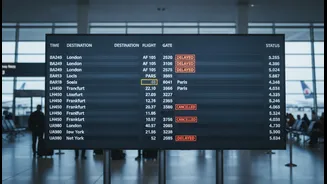
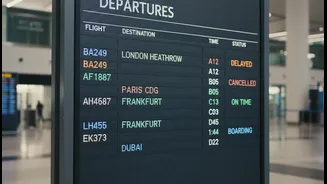
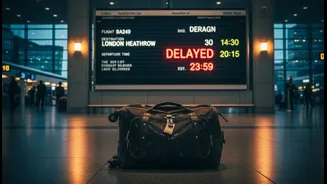
The Directorate General of Civil Aviation (DGCA) has a Passenger Charter that outlines what airlines owe you. If an airline cancels your flight with less than 24 hours notice, it must offer you a choice: a full refund or an alternate flight. If you're
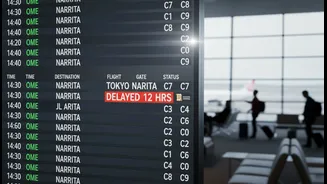
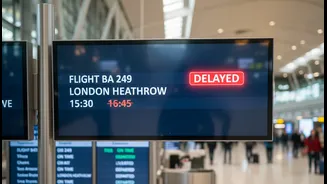
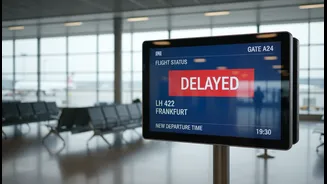
already at the airport when this happens, they must also provide meals and refreshments while you wait. For delays, your entitlements depend on the duration. For a delay of two to four hours, you are entitled to free meals and refreshments. If the delay stretches to six hours or more, the airline must offer you an alternate flight or a full refund. Should the delay require an overnight stay, the airline is obligated to provide hotel accommodation and transport.
The Deal with Denied Boarding
Airlines in India are legally allowed to overbook flights, which can lead to you being denied boarding even with a confirmed ticket. If this happens involuntarily (meaning not enough passengers volunteered to give up their seats), you are entitled to significant compensation. The airline must first try to arrange an alternative flight that departs within one hour of your original scheduled departure. If they cannot, you are eligible for compensation that can range from 200% to 400% of your one-way base fare plus fuel charges, capped at ₹20,000, in addition to a full refund if you choose not to travel. Airlines are required to offer this in cash or bank transfer, not just vouchers.
The Gains: A Shift from Goodwill to Entitlement
The biggest gain for travellers is the formalisation of these rights. What was once at the discretion of airline staff is now a set of binding rules under the DGCA's Civil Aviation Requirements (CAR). This framework provides a clear safety net. It establishes specific compensation amounts and care requirements, moving passenger protection from a matter of airline goodwill to a legal obligation. The existence of a dedicated grievance portal, AirSewa, further empowers passengers by providing a formal channel to lodge complaints if airlines fail to comply. This shift means you are no longer just a supplicant asking for help; you are a consumer with defined entitlements.
What Still Needs Checking: The Reality Gap
Despite these rules, significant gaps remain. A major loophole is the 'extraordinary circumstances' clause. Airlines are not liable for cash compensation for disruptions caused by factors beyond their control, such as bad weather or air traffic control restrictions. While this is reasonable, the clause is sometimes used broadly, leaving passengers to argue the cause of the disruption. Furthermore, many travellers report immense difficulty in actually claiming their dues. Even with clear rules, getting an airline to pay compensation can be a long and arduous process. A parliamentary panel has noted that India still lacks a dedicated, enforceable law for passenger rights, unlike the EU, relying instead on regulations with weaker enforcement.
How to Navigate the System
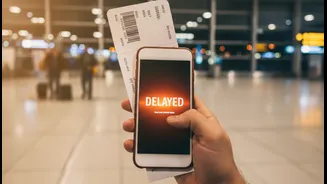
Knowledge and documentation are your best tools. If your flight is disrupted, immediately note the time and reason given by the airline. Keep all documents: your boarding pass, ticket confirmation, and any messages from the airline. Save receipts for any expenses incurred. If you are denied boarding, insist on a written confirmation from the airline staff at the gate. Your first step should always be to file a claim with the airline directly. If they are unresponsive or refuse to comply with the rules, escalate your complaint on the government’s AirSewa portal or app. Recent upgrades to AirSewa, including AI integration, aim to make this process faster and more effective.