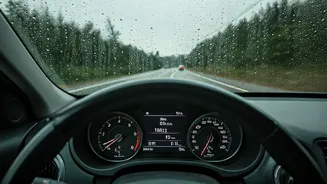






Before You Turn the Key: The Non-Negotiables
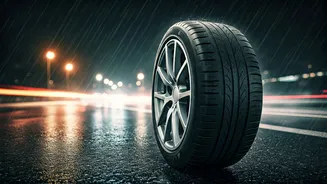
Your car is your companion on this journey, and its health is paramount. Before you even think about packing, give your vehicle a thorough check-up. Start with the most critical components for monsoon driving: your tyres. Ensure they have adequate tread
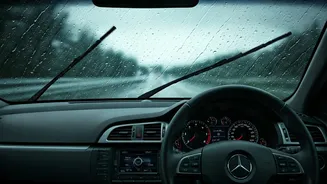
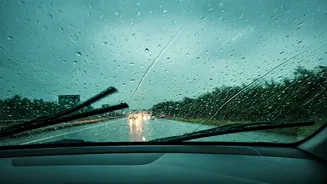
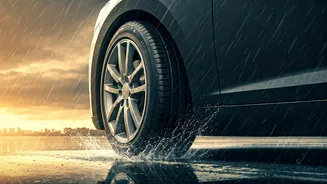
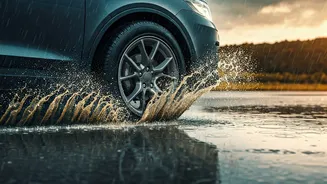
depth (at least 3mm is advisable for wet conditions) to prevent aquaplaning, where a layer of water builds up between the tyres and the road surface, leading to a loss of traction. Check tyre pressure, as incorrect pressure can affect handling. Next, test your brakes. They should be responsive without any squealing or grinding noises. In wet conditions, your stopping distance increases significantly, so effective brakes are non-negotiable. Finally, inspect your wiper blades. If they leave streaks or don't clear the windscreen effectively, replace them immediately. A clear view is your first line of defence against monsoon hazards.
See and Be Seen: Mastering Visibility
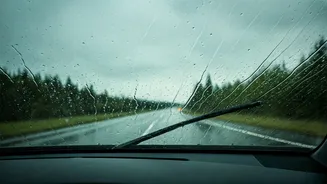
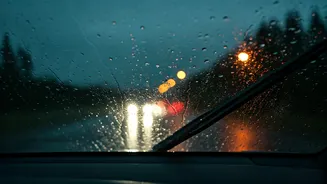
During a downpour, visibility can drop to almost zero in seconds. Your car’s lighting system is crucial not just for you to see the road, but for other drivers to see you. Check that all your lights are working: headlights (both high and low beam), tail lights, brake lights, and indicators. Clean the lamp covers for maximum brightness. A particularly useful tool in heavy rain or fog is the fog lamp, so ensure both front and rear fog lamps are functional. Inside the car, your defogger is your best friend. Test both the front and rear defoggers to make sure they can quickly clear a fogged-up windscreen and rear window. It’s also a good idea to apply a rain-repellent coating to your windscreen and windows; this causes water to bead up and roll off, dramatically improving visibility during heavy showers.
The Monsoon Survival Kit
A standard emergency kit is good, but a monsoon-specific one is better. In addition to the usual items like a first-aid kit, jumper cables, and a torch, add a few monsoon essentials. Pack a tow rope, as slushy and muddy patches can easily trap a vehicle. Keep a few large, waterproof plastic bags to protect your electronics, documents, and wallets in case of a leak or if you need to wade through water. A box of snacks and several bottles of water are crucial in case you get stranded for hours due to a landslide or waterlogging. It’s also wise to have a fully charged power bank, an umbrella, and a change of clothes and footwear. These simple additions can turn a stressful situation into a manageable one.
Driving Techniques for Slick Surfaces
Driving in the rain isn’t just about going slower; it’s about being smoother. Sudden acceleration, hard braking, and sharp turns can easily cause your car to skid on wet tarmac. Maintain a larger-than-usual distance from the vehicle in front of you—aim for a 5-6 second gap instead of the usual 2-3 seconds. This gives you more time and space to react and brake safely. If your car starts to aquaplane, do not panic and slam the brakes. Instead, ease your foot off the accelerator and keep the steering wheel straight until the tyres regain traction. When driving through ghat sections or winding roads, be extra cautious of hairpin bends, which can be slippery and may have loose gravel washed onto the road by the rain.
When Water Rises: The Golden Rules
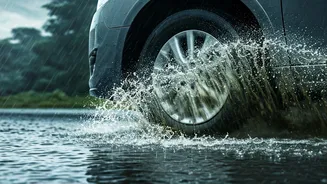
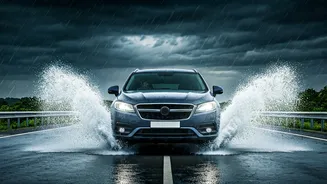
Encountering a waterlogged street is a common monsoon problem. The golden rule is: when in doubt, don't. If you can't see the road surface or gauge the depth of the water, it's safer to find an alternate route. If you must proceed, watch other vehicles. If the water is above the centre of their wheels, it's likely too deep for your car. If you decide it's safe to cross, drive slowly and steadily in a low gear (first or second) to keep the engine's RPMs high. This prevents water from entering the exhaust pipe. Avoid stopping in the middle of the water patch. Once you are through, tap your brakes gently a few times to dry them out and ensure they are working properly. Never, ever try to restart your engine if your car stalls in deep water; this can cause catastrophic engine damage.