



The Instagram Fantasy
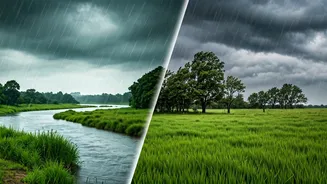
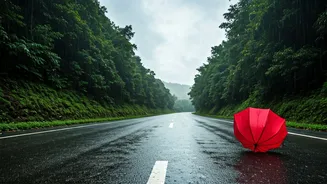
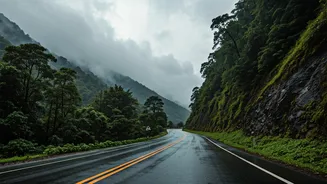
Scroll through your feed in July, and you'll inevitably find them: slow-motion videos of rain cascading over emerald landscapes, couples sharing a romantic moment under an umbrella, and artistic shots of water droplets on a cafe window. These 'pretty
rain reels' are a genre unto themselves, painting the monsoon as a serene, cosy, and deeply atmospheric time to travel. Set to soulful music, they showcase nature at its most dramatic and beautiful, creating a powerful urge to pack your bags and chase the rains. The content is designed to look effortless, capturing a flawless moment that feels authentic. This aesthetic, however, is often the result of careful planning, image enhancement, and conveniently editing out the less glamorous parts of the journey. It creates an 'imaginary picture' that prioritises visual appeal over the complete travel experience.
Reality Check: Landslides and Travel Chaos
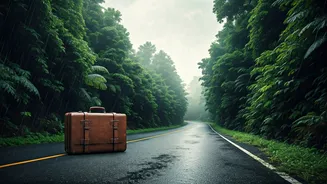
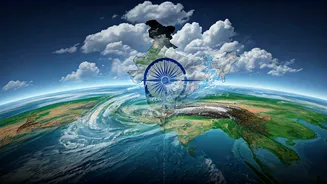
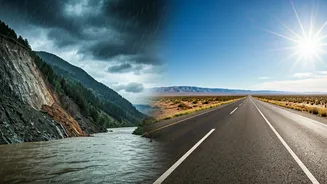
The most significant danger glossed over by these reels is the severe disruption to travel. In India, heavy monsoon rains, especially in hilly regions like Himachal Pradesh and Uttarakhand, regularly trigger landslides and flash floods. As recently as early July 2026, authorities suspended the Kedarnath Yatra pilgrimage due to landslides blocking major highways. The India Meteorological Department (IMD) frequently issues warnings for tourists to avoid landslide-prone areas and stay away from rivers during intense rainfall. These events are not minor inconveniences; they can lead to travellers being stranded for days, cause damage to roads and bridges, and pose a direct threat to life. Flights and trains are often delayed or rerouted due to poor visibility and flooded tracks, meaning that a journey planned with military precision can quickly unravel. It's crucial to plan trips with significant buffer time and avoid road travel at night in the hills.
The Unseen Health Hazards
Beyond the dramatic landslides, the monsoon brings a host of invisible health risks. The damp, humid environment and stagnant water create perfect breeding grounds for mosquitoes, leading to a spike in vector-borne diseases like dengue, malaria, and chikungunya. Water contamination is another major concern, as floods can cause sewage to mix with drinking water sources, increasing the risk of water-borne illnesses like cholera, typhoid, and hepatitis A. Health experts advise travellers to be extremely cautious with food and water, recommending bottled water and avoiding street food that may be prepared in unhygienic conditions. Packing a first-aid kit with medications for common ailments, along with a strong insect repellent, is not just a suggestion but a necessity for staying healthy during this season.
Beyond the Reel: The Daily Grind
Even when you aren't facing a life-threatening situation, monsoon travel comes with a series of persistent, un-filmable frustrations. Getting from one place to another can become a challenge in cities like Mumbai, where heavy rains often lead to widespread waterlogging and traffic standstills. Your stylish travel wardrobe is no match for the constant dampness; clothes take forever to dry, and fungal skin infections can become an issue. Power cuts are common, and many tourist spots, particularly beach shacks in places like Goa, close down entirely during the off-season. The perfect selfie attempt near a swelling river or waterfall can turn deadly in seconds, as water levels can rise suddenly and without warning. These are the realities that are never featured in a 30-second reel.
Travelling Smart During the Rains
This doesn't mean you must cancel all monsoon travel plans. It simply means you need to be smarter and more prepared. Choose your destination wisely; some regions, like Rajasthan or Ladakh, receive far less rainfall and can be pleasant alternatives. Always check the weather forecast for your entire route, not just the destination, using reliable sources like the IMD. Pack practical gear over fashionable outfits: think quick-drying synthetic clothes, waterproof footwear, a sturdy raincoat, and waterproof bags for your electronics. Maintain flexibility in your itinerary, as you may need to change plans at the last minute due to weather disruptions. By prioritising safety and managing your expectations, you can still have a memorable and enjoyable trip.