






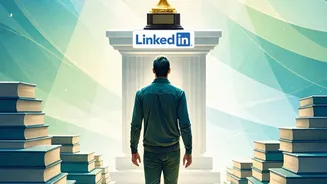
The Rise of 'AI Slop' and Broetry
There's a growing conversation among users about the declining quality of the LinkedIn feed. The culprits are often identified as 'AI slop'—low-effort, generic content that sounds polished but lacks human perspective—and excessive self-promotion. This
includes everything from formulaic posts about overcoming failure to cringe-worthy personal branding efforts, sometimes dubbed 'broetry'. Recent data suggests a significant portion of posts on the platform may be AI-generated, with one firm estimating it was as high as 41% for long-form content earlier this year. This flood of similar-sounding posts has led many to feel the platform is losing its authenticity, becoming a sea of recycled buzzwords and humblebrags.
The Self-Promotion Paradox
While users complain about endless self-congratulation, many feel pressured to participate. Building a personal brand is seen as a necessary career investment in the modern workplace. Professionals find themselves in a catch-22: they dislike the performative nature of the content but feel compelled to create it to stay visible to recruiters and potential clients. This isn't just individual ambition; some companies now hire ghostwriters to manage the LinkedIn profiles of their employees, viewing it as a core marketing strategy. The pressure to post consistently, coupled with the ease of using AI tools to generate text, creates a perfect storm for the very content users claim to dislike.
A Platform Fighting Back?
LinkedIn seems aware of the problem. The company has acknowledged the rise of 'AI slop' and has reportedly been tweaking its algorithm to reduce the visibility of low-quality, AI-generated posts and comments that lack a unique perspective. According to reports, the platform is now prioritizing signals of genuine value, like saves and meaningful comments, over superficial engagement. The goal isn't to ban AI outright—after all, LinkedIn offers its own AI writing assistants—but to encourage users to add personal insight and experience. The message is clear: use AI as a tool to enhance your thoughts, not to replace them.
But the Numbers Don't Lie
Herein lies the great contradiction. Despite the content complaints, LinkedIn's growth is undeniable. As of late 2026, the platform boasts over 1.5 billion in advertising reach and continues to add millions of new members. India is a huge part of this story, standing as the second-largest and fastest-growing market with over 210 million members. This growth is fueled by the simple fact that for professionals, LinkedIn remains indispensable. It is the default platform for job searching, with millions of users looking for jobs every week, and the primary engine for B2B marketing and lead generation.
Utility Outweighs Annoyance
Ultimately, professionals in India and around the world continue to flock to LinkedIn because its core utility is unmatched. It is the digital rolodex, the definitive professional resume, and the primary online space for corporate networking. For many, the ability to connect with industry leaders, find job opportunities, and keep up with business trends is a powerful incentive that outweighs the daily annoyance of a cluttered feed. The platform's role in the hiring process alone makes it a near-mandatory tool for anyone serious about their career trajectory. The need for a professional online presence is no longer a niche requirement, and for now, LinkedIn has a near-monopoly on that space.