





You’ve found it: the perfect hand-painted ceramic, delicate glass ornament, or one-of-a-kind sculpture. The joy of discovery is often followed by a wave of anxiety: how will you get this beautiful, fragile treasure home in one piece?
Preparation Begins Before You Buy
The best packing strategy
starts before you even hand over your money. When you purchase a fragile item, always ask the vendor if they have the original box and packaging. Shops that sell delicate goods are often experienced in packing them for travel. If they offer to box it for you, accept the help. If not, think about its shape and size and whether you have the right luggage to support it. A hard-shell suitcase offers significantly more protection against impacts than a soft-sided one. While it might seem premature, this foresight can prevent a lot of stress later.
Gather Your Packing Materials
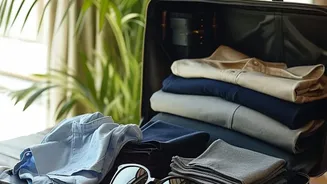
Professional packing materials are your best bet. Bubble wrap is the gold standard for a reason; its air-filled pockets provide excellent shock absorption. If you can't find any, don't worry—your own wardrobe can be an effective substitute. T-shirts, sweaters, and especially socks are great for wrapping items. Think in layers: a soft item like a sock can be stuffed inside a mug or vase to prevent internal stress, while a sweater can be wrapped around the outside. Have packing tape on hand to secure your wrapping. For items that could leak, like bottles of wine or olive oil, first seal them in a leak-proof plastic bag.
Mastering the Art of Packing
The key to safe transport is to minimize movement. Start by creating a soft base layer at the bottom of your suitcase using clothes or towels. Wrap each fragile item individually. Never let two delicate objects touch. Place your wrapped treasure in the very center of your suitcase—this is the safest spot, furthest away from corners and edges that absorb the most impact during handling. Surround the item on all sides with more clothing, filling in any and all gaps. A tightly packed suitcase prevents items from shifting and breaking. Give your closed bag a gentle shake; if you can feel or hear things moving, open it up and add more padding.
Carry-On vs. Checked Luggage
Whenever possible, transport fragile and valuable items in your carry-on bag. This keeps the item with you, eliminating the risks associated with rough baggage handling and loss. However, carry-on bags have size, weight, and liquid restrictions. Any liquids over 100ml (3.4 ounces), like a bottle of wine, must go into your checked luggage. For items that are too large or don't comply with cabin rules, checking them is the only option. If you check a fragile item, be aware that most airlines have limited liability for damage, so the packing quality is entirely your responsibility. Mark the bag as 'fragile', but don't rely on this for special handling.
The Box-in-a-Box Method
For extra-special or awkwardly shaped items, consider using the 'box-in-a-box' technique. First, wrap your item and place it snugly inside a small, sturdy box, filling any empty space with crumpled paper or soft fabric. Then, place that entire box into your suitcase, cushioned in the center by clothing. This double-layer of protection provides a rigid structure that can dramatically increase the chances of your souvenir arriving unscathed, as it adds an extra buffer against external pressure and impacts. This method is particularly useful for things like glassware or items with delicate, protruding parts.
When to Consider Shipping
For very large, heavy, or extremely valuable souvenirs, packing it yourself might not be the best option. In these cases, shipping it home professionally is often the safer, smarter choice. Many merchants can arrange to ship your purchase directly from the store, and they are experts at packaging their own goods. While it costs more, using a reputable international courier with tracking and insurance provides peace of mind that a 'fragile' sticker on a checked bag simply cannot offer. Compare the cost and risk of shipping versus paying for an extra or overweight checked bag; sometimes, the prices are more competitive than you might think.